
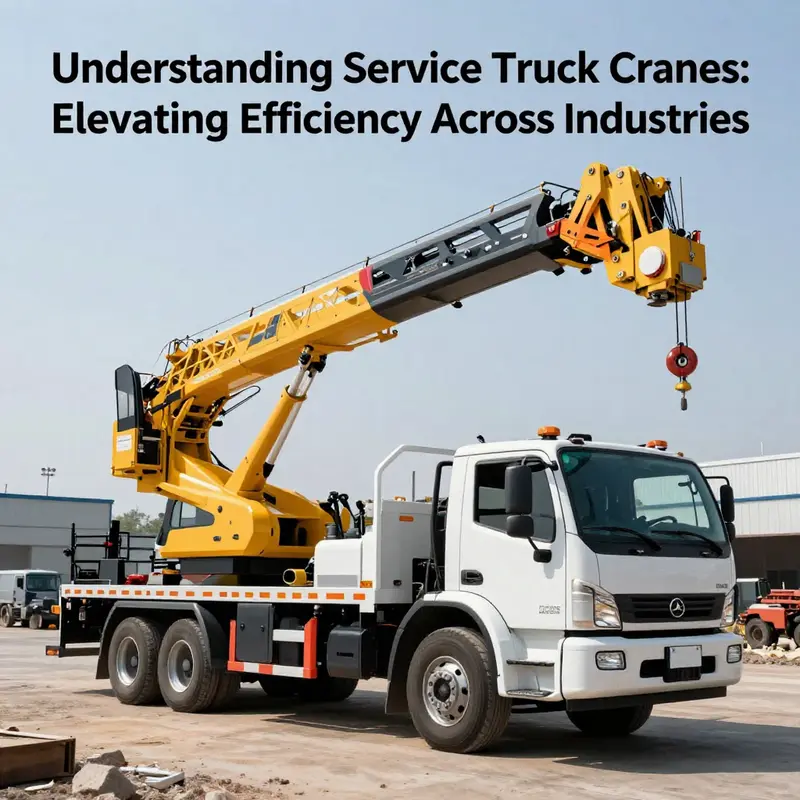
Service truck cranes combine mobility with lifting power, enabling on-site material handling across construction, manufacturing, logistics, and maintenance. This article provides a concise overview of what a service truck crane is, how it works, and why it matters for productivity, safety, and total cost of ownership. We then explore typical applications, current market trends, and the safety features that keep operators and teams protected. By the end, you will have a clear understanding of how these versatile machines can drive efficiency in diverse environments.
When Mobility Meets Lifting Power: A Deep Dive into the Service Truck Crane
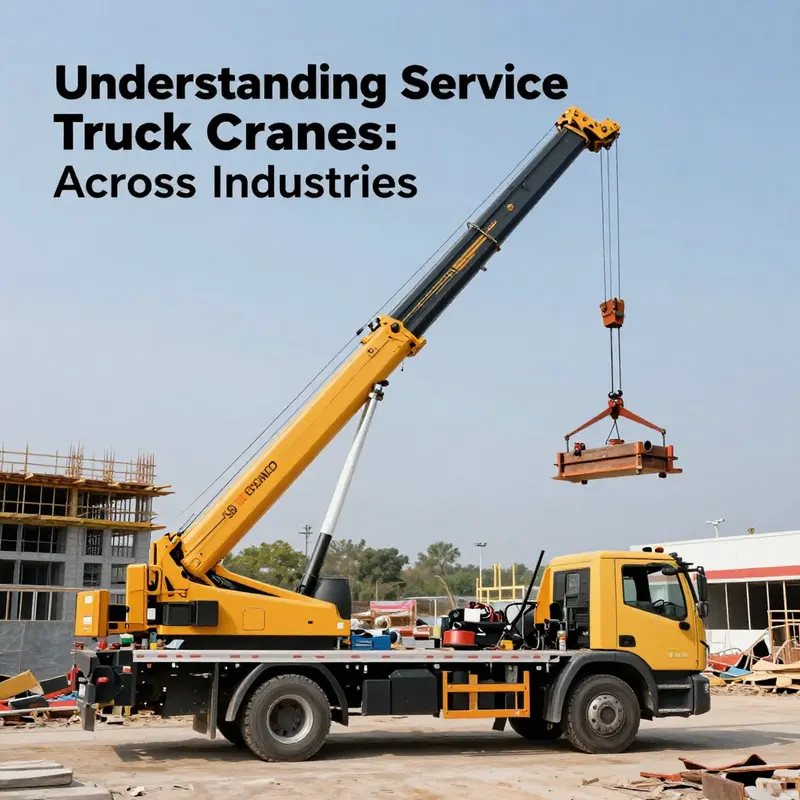
A service truck crane is more than a clever blend of a truck and a crane. It is a mobile lifting machine crafted to deliver on-site lifting, positioning, and transportation, all from a single, road-ready platform. This fusion of mobility and lifting capability is what makes the service truck crane a staple across industries where work happens away from fixed construction yards—on utility corridors, industrial complexes, remote wind farms, and even emergency response scenes. The concept hinges on mounting a crane onto a standard truck chassis, converting a routine vehicle into a compact, capable lift-and-cha nnel for a wide range of tasks. The practical advantage is straightforward: instead of coordinating separate transport and lifting equipment, teams can bring both functions to the job site in one trip, cutting travel time, reducing logistics complexity, and accelerating project timelines. In a world where speed, access, and adaptability often determine project success, the service truck crane stands out as a versatile tool that keeps pace with evolving job-site realities. It is a product of thoughtful engineering that respects the constraints of real-world work—from limited access in urban streets to uneven ground in utility right-of-ways—by prioritizing stability, control, and safety without sacrificing agility.
At its core, a service truck crane is a mobile crane, but the distinction lies in its chassis and design intent. Unlike a stationary crane that relies on a fixed base and dedicated foundations, the service truck crane travels with the load and can reposition itself as work progresses. This mobility is not a mere convenience; it reshapes how crews plan, sequence, and execute operations. The crane component typically features a telescopic or articulated boom. Telescopic booms extend in a straight line, offering simple, predictable extension, while articulated booms fold and pivot, delivering greater reach within a compact footprint. Both configurations leverage hydraulic systems to raise, extend, and rotate, with the operator’s station integrated into the vehicle for on-board control. The boom’s reach and load capacity depend on model size, configuration, and stabilization features, but what remains consistent is the principle: a compact lifting powerhouse mounted on a chassis that can roll to where the work is.
Design fidelity is essential because the same machine that hoists heavy loads must also be safe to operate in traffic, on uneven ground, and near energized equipment. Modern service truck cranes incorporate a range of safety systems that reflect decades of field experience. A load moment indicator, for example, continuously monitors the relationship between the weight being lifted, the boom extension, and the crane’s geometry to prevent tipping or overstress. Anti-two-block devices prevent the hook from pulling the block toward the boom tip, a common hazard in hydraulic cranes. Emergency stop controls are placed where operators can hit them quickly in an emergency, and many units feature interlocks or digital controls that prevent dangerous maneuvers when outriggers are not properly deployed or when weather and ground conditions threaten stability.
The control architecture itself tells a story about how workers interact with these machines. Onboard stations may use a combination of digital displays and joysticks, with real-time feedback about load, height, radius, and stability margins. In more advanced configurations, remote operation options allow a trained technician to guide the lift from a protected location, using secure data links such as 4G/5G networks. This capability is not just a novelty; it expands the operational envelope of the crane, enabling lifts in hazardous environments or in spaces that would be too risky for an operator standing on a moving platform. It also dovetails with broader fleet management strategies, where telematics, maintenance alerts, and performance data flow back to a central system to optimize scheduling, utilization, and lifecycle costs.
A typical service truck crane draws its strength from hydraulic power and a carefully engineered transfer of load from the vehicle’s chassis to a stabilized lifting point. The boom itself may be segmented into sections that telescope outward, with hydraulic cylinders or high-pressure rams driving the extension. For loads that require even more reach, some models offer articulated joints in addition to telescoping sections, maintaining flexibility while maintaining a stable base. The stability system is equally important. Outriggers—hydraulically actuated legs that extend from the sides of the truck—are deployed during lifting to spread the vehicle’s weight over a wider footprint and to resist the moment created by the lifted load. The geometry of the outriggers, the ground beneath, and the weight being handled all converge to determine whether the lift can proceed safely, influencing decisions on which loads to take on a single pass and which to split into multiple moves.
Beyond raw mechanics, the lifecycle of a service truck crane reveals a broader truth about its role in the fleet. Its modular design—where boom sections, controls, outriggers, and attachments can be serviced or upgraded independently—makes maintenance more predictable and downtime more manageable. Spare parts and standardizable components reduce repair times and help keep a unit in service rather than sidelined for extended periods. In practice, this modularity translates into a more resilient fleet, where a single vehicle can be kept up-to-date with evolving attachments or upgraded control software without a full replacement. Operators appreciate how the machine’s versatility scales with the job. Small urban utilities projects can be serviced with a compact setup that still offers a generous reach for overhead cables or pole installations. In larger construction contexts or heavy industrial settings, the same vehicle can be equipped with heavier tools or specialized attachments to move steel beams, pipes, or prefabricated panels into precise positions while still retaining mobility for the next site.
To understand how a service truck crane fits into the daily rhythms of the jobsite, it helps to map its core functional cycle. The lifting process begins with careful load assessment and rigging selection. Operators calculate the weight, center of gravity, and the best lifting point to prevent slippage or imbalance. With outriggers deployed and the load secured, the crane hoists the object vertically, then rotates to align with the target area. The placement phase demands precise control, as even a small misalignment can result in a costly rework or damage to nearby structures. After the load is slowly set in place, the crane returns to its home position, ready for the next cycle. This sequence—lift, rotate, place, return—underpins a wide range of tasks, from setting a transformer on a pad to guiding a prefabricated panel into a building envelope.
In practice, the applications are as diverse as the configurations. Utility crews rely on service truck cranes to install and maintain overhead lines, transformers, and poles. In construction, they support the placement of steel beams, par ticularly in tight spaces where traditional crane setups would be impractical. Wind turbine maintenance teams use them for minor assemblies and equipment changes on nacelles or towers, where a fixed crane would be impossible to transport. In logistics and material handling, these trucks can unload heavy cargo from trailers or rail cars, accelerating the flow of goods through a distribution network. The ability to respond quickly to on-site needs, often from a single truck, makes service truck cranes a strategic asset for contractors who value time efficiency and on-site autonomy.
From a market perspective, the appeal of service truck cranes rests on their potential to streamline operations and reduce total project cost. Market analyses project continued demand for these units as infrastructure development accelerates and as industrial automation reshapes how work sites are staffed and managed. The consolidation of transport and lifting capabilities aligns well with lean construction and just-in-time maintenance philosophies, where minimizing trips and personnel on site translates into tangible savings. The broader message is not simply that these machines exist, but that they enable a different workflow—one where a single vehicle can serve multiple roles, adapt to varying site conditions, and maintain performance across a wide spectrum of tasks.
The operational reality is complemented by a safety and regulatory landscape that has risen to meet the challenges of on-road lifting. Modern fleets emphasize training, standardized procedures, and formal risk assessments as non-negotiable prerequisites for work involving elevation. Because the work occurs in public spaces and near live utilities, operators must be proficient at reading ground conditions, assessing wind effects, and coordinating with spotters and nearby traffic control when needed. The emphasis on safety translates into better equipment design as well: intuitive controls, clear visibility from the cab, audible and visual alarms, and redundant safety features that reduce the likelihood of human error. These considerations are not abstract constraints; they directly influence the design choices that manufacturers and operators make every day, shaping everything from the size of the outriggers to the brightness of the indicator displays.
The narrative around service truck cranes would be incomplete without acknowledging the broader trajectory of the trucking and construction industries. The growing emphasis on modular, mobile, and multi-use equipment mirrors the needs of fleets seeking to maximize utilization. As infrastructure projects expand and operators lean into more automated and data-driven maintenance practices, the role of mobile lifting platforms becomes increasingly central. The ability to deliver lifting capacity to the job site without a separate crane rig aligns with the push toward more efficient, autonomous maintenance practices and faster project cycles. In this context, the service truck crane is not a niche tool but a fundamental component of modern project logistics—an element that helps crews adapt to the terrain, constraints, and tempo of contemporary construction and maintenance work.
For readers who want to situate this discussion within broader industry dynamics, the chapter on key economic trends impacting the trucking industry provides a useful frame. It illuminates how capital investments, regulatory developments, and shifts in demand influence the adoption of multi-functional equipment like service truck cranes. The practical takeaway is that the value of these machines extends beyond their lifting capacity. They embody a strategic solution to the perennial tension between mobility and capability on the job site, delivering a way to do more with a single platform while maintaining safety and efficiency. In a market where every mile and minute matters, the concurrent benefits of speed, accessibility, and precision offered by service truck cranes are increasingly hard to overlook.
As infrastructure programs advance and maintenance obligations grow more complex, fleets that embrace the combined strengths of mobility and lifting power will likely find themselves better positioned to compete. They can meet tight job-site windows, tackle difficult access scenarios, and respond rapidly to emergencies or unforeseen needs. The synergy of a truck’s transport function with a crane’s lifting capability creates a compelling model for how work gets done in the modern industrial world. It is a model anchored in practical benefits—reduced dispatch times, lower equipment coordination costs, and improved safety through standardized procedures and on-board controls—that resonates with engineers, operators, and managers alike.
For more on how these dynamics tie into broader fleet strategy and economic considerations, see the discussion of key economic trends impacting the trucking industry. This perspective helps connect the technology and its uses to the larger forces shaping fleet investments, maintenance planning, and capital allocation in a rapidly changing logistics landscape. In the end, a service truck crane is not just about lifting heavy loads; it is about extending the reach of a fleet, enabling faster service delivery, and turning a mobile asset into a multi-functional workhorse that can navigate both streets and job sites with equal competence.
External resource: https://www.qyresearch.com.cn/reports/2793811/service-truck-crane-market-global-industry-analysis-and-outlook-2025-2031
How Service Truck Cranes Drive Industry: Practical Applications and Operational Advantages
Applications Across Industries: Mobility Meets Lifting Power
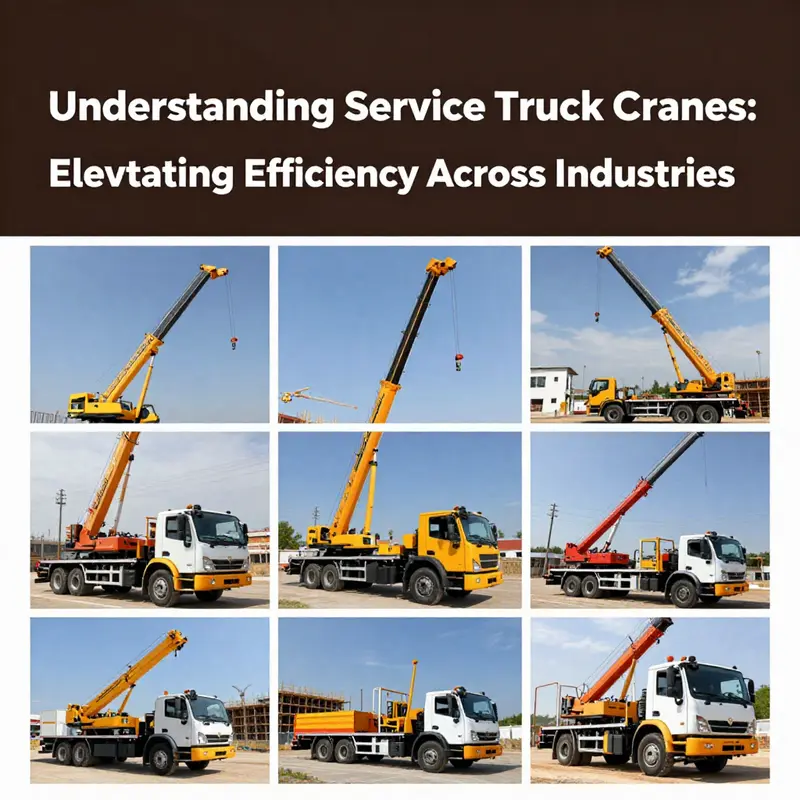
Service truck cranes combine a truck chassis and a crane mechanism to deliver a uniquely mobile lifting platform. This blend of transport and hoisting capability makes them indispensable across sectors that need lifting, placement, or maintenance without the delay of bringing in separate lifting equipment. Their core value lies in mobility, versatility, and the ability to perform where fixed cranes or large mobile cranes cannot. The following discussion explores how those attributes translate into concrete applications across major industries, and why operators choose this solution to cut costs, increase uptime, and improve safety.
On construction sites, service truck cranes handle tasks that require both transport and precision lifting. They move between work zones quickly to deliver personnel, tools, and heavy components. Their telescopic or articulated booms reach over obstacles and position precast concrete elements, steel sections, and HVAC units. Project teams use them to place equipment into tight footprints such as urban infill sites or congested job areas. Because the crane is integrated with a vehicle, crews save time that would otherwise be spent unloading equipment and waiting for separate rigging. In evolving job conditions, a single truck crane can support layout adjustments, temporary lifting, and final installation tasks without extensive reconfiguration.
Utility and maintenance operations lean heavily on the compact agility of service truck cranes. Line work, pole setting, and tower servicing often take place in narrow corridors, on rural roads, or inside confined substations. A truck-mounted crane can drive directly to the location, stabilize on uneven ground, and extend a boom to reach vertical heights safely. The precise control that comes from hydraulic booms and modern control systems reduces the risk of damaging nearby infrastructure. For overhead work, replaceable attachments and insulated equipment keep crews safe while they install transformers, replace crossarms, or maintain street lighting. These cranes excel when crews must perform scheduled maintenance across dispersed geographic areas without setting up large rigs.
Warehousing and logistics operations use service truck cranes to bridge gaps between transportation and material handling. Inside an enclosed facility, a truck crane with an electric winch can perform controlled lifts without requiring permanent overhead cranes. When loading and unloading heavy machinery or palletized loads from trailers, a truck crane removes the need for separate forklifts or container handlers. In distribution yards, it moves liftable items between trucks and staging areas while minimizing ground traffic disruption. This capability is especially useful in situations where temporary lifting is required at irregular intervals, or when warehouse space limits the installation of fixed lifting infrastructure.
Emergency response and vehicle recovery teams value specialised truck cranes for rapid deployment. These rigs are configured for quick setup and operation at accident scenes or recovery zones. Retractable or slip-mounted cranes allow vehicles to maintain lower profiles during travel, improving fuel efficiency and clearance. When time is critical, a mobile crane mounted on a service truck reduces the number of vehicles needed on site. Crews use them to lift disabled vehicles, clear debris, and position equipment to stabilize scenes. The combination of mobility and controlled lifting capability ensures responders can operate safely under pressure and in challenging environments.
Industrial maintenance teams rely on truck cranes to support plant uptime and scheduled shutdowns. When heavy components need removal or replacement, a service truck crane can be stationed at the plant gate, driven into yard areas, and used to lift motors, pumps, and heat-exchange units. Since these cranes require minimal on-site setup, maintenance windows shrink. For industries with distributed facilities, a single crane in a maintenance fleet covers multiple sites efficiently. Attention to rigging plans and lift charts ensures safe handling of sensitive machinery during disassembly and reassembly.
Mining, oil and gas, and other resource industries use service truck cranes to operate in remote or rugged locations. The truck base provides off-road capability, while the crane supplies a range of lifts from light handling to heavy component placement. Mobile lifting simplifies the installation of well-head components, the replacement of generators, and the transportation of spare parts to isolated camps. The durability of chassis and boom components determines how well a crane functions in abrasive, dusty, or wet conditions, so these applications emphasize reliable maintenance and protective measures.
Ports and intermodal terminals often need flexible lifting solutions that can move quickly along quays and between storage areas. Service truck cranes support cargo handling when container handlers are unavailable or when odd-shaped cargo arrives that standard lifts cannot accommodate. They can place equipment for vessel repairs, position hatch covers, and assist in mooring operations requiring short-radius, precise lifts. Their ability to operate from the roadway into restricted shipyard spaces makes them a practical option for temporary shore-side tasks.
Across sectors, configuration choices expand how service truck cranes are used. Telescopic booms offer variable reach in tight sites and allow for fast extension and retraction. Articulated booms provide articulation points for shaping the lift path around obstacles. Winch systems, including 24V electric winches, enable controlled lifting indoors without running the truck engine. Slip-mounted designs tuck into vehicle frames for reduced drag during transit. Each configuration answers a particular operational need, whether that is fuel efficiency, site access, or noise control.
Operational efficiency is a common thread connecting these applications. A service truck crane reduces job steps by combining delivery and lift capability. Fewer machine swaps mean lower labor costs and faster task completion. Fleet owners can schedule multi-stop jobs more effectively, optimizing routing and reducing deadhead miles. Capital expenditure is also often lower than investing in multiple stand-alone systems because one chassis and crane pair performs several roles. When a fleet focuses on maintenance and uptime, investing in operator training and planned maintenance programs ensures reliability and extends equipment life. For private and municipal fleets, aligning acquisition decisions with long-term maintenance strategies improves total cost of ownership and operational readiness. For further insight into maintenance planning for fleet operations, review trends in private fleet maintenance.
Safety features and control systems have modernized how crews use truck cranes. Load-moment indicators, outrigger sensors, and remote-control operation increase precision and reduce exposure to hazardous zones. These systems also enforce safe working envelopes, alerting operators when a lift exceeds rated parameters. That functionality matters when lifts occur near power lines, above active roadways, or on uneven ground. Proper use of outriggers, spreader pads, and cribbing distributes loads safely and protects subsurface utilities from contamination.
Regulatory and site-specific constraints shape crane selection and deployment. Weight limits on roads, permit requirements, and local noise ordinances influence both the choice of chassis and the timing of operations. Project planners consider transport dimensions, axle loads, and turning radii to ensure legal and practical access to sites. Environmental factors such as weather, ground bearing capacity, and proximity to sensitive habitats also determine safe operating practices. In many applications, crews coordinate permits and traffic control to maintain public safety and project timelines.
A service truck crane’s versatility also supports specialized tasks. Attachments like hydraulic grapples, personnel platforms, and hook-and-line packages expand capability. In utility work, insulated aerial devices add protection for live-line tasks. In logistics, boom-mounted slings and lifting beams enable nonstandard cargo handling. The interchangeability of attachments keeps a single vehicle productive across multiple job types.
Across industries, the selection of a service truck crane aligns with mission requirements. Planners weigh lift capacity, boom reach, vehicle mobility, and site conditions when specifying equipment. They also consider support needs such as operator skillsets, spare parts availability, and service networks. The result is a mobile lifting asset that improves responsiveness, reduces logistical complexity, and enhances the ability to perform lifts safely in constrained conditions. An integrated approach to fleet deployment, training, and maintenance ensures these cranes deliver maximum value over their service life.
For technical product details and formal specifications on modern truck-mounted crane platforms, refer to official truck crane product line documentation: https://www.sanyglobal.com/en/products/crane/truck-crane.
Lifting Economies: The Economic Impact and Market Trends of the Service Truck Crane in Modern Infrastructure
The service truck crane sits at a practical crossroads where mobility and lifting capacity converge to reshape how work gets done on diverse job sites. It is more than a vehicle with a crane bolted on; it is a mobile, integrated solution that carries the potential to streamline workflows, reduce downtime, and expand the reach of teams performing installation, maintenance, or emergency responses. In many ways, the service truck crane embodies a fundamental shift in construction and maintenance logistics: the ability to bring power, reach, and transport to a site in a single, self-contained package. This consolidation matters because it translates into fewer trips, less equipment coordination, and a smaller operational footprint—benefits that resonate across budgets, schedules, and safety regimes. By design, these machines compress two traditionally separate assets—a truck and a crane—into one platform that can be deployed rapidly, retrieved efficiently, and maintained with a leaner fleet. As urban development accelerates and infrastructure modernization becomes a priority, the demand for such versatile lifting solutions grows in tandem with the needs of utilities, construction crews, and transportation networks that demand speed without sacrificing precision or safety.
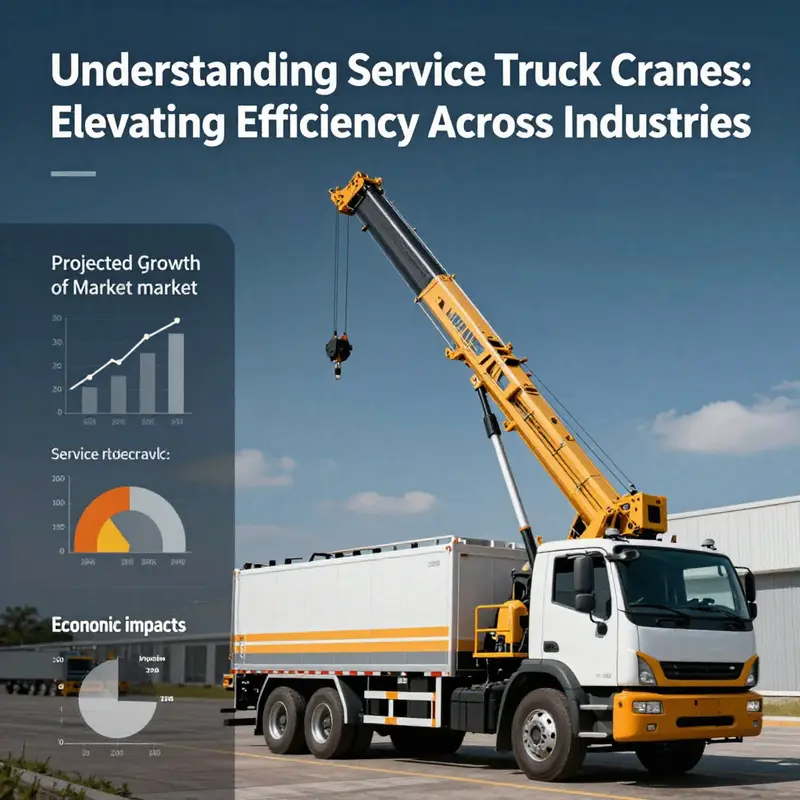
From a macroeconomic lens, the market for service truck cranes has emerged as a meaningful contributor to the broader machinery and heavy-transport sectors. It is a market that speaks to how industry players balance capital expenditure against tangible productivity gains. In 2024, the global service truck crane market was valued at approximately US$344 million, a figure that reflects a niche yet steadily expanding segment within the crane and lifting-apparatus landscape. Projections point to a broader horizon: by 2034, market sizing estimates place the value at around US$474 million. The growth corridor is reinforced by a compound annual growth rate (CAGR) of 4.8% between 2026 and 2032, underscoring steady, not explosive, expansion driven by pragmatic demand rather than a speculative boom. These figures matter because they illuminate how planners, operators, and manufacturers view the role of mobile lifting in the overall economy: as a reliable, repeatable capability that can be scaled across regions and industries, rather than a luxury asset reserved for select projects.
The economics of service truck cranes are inextricably linked to broader market dynamics that shape capital allocation on job sites. The crane-vehicle combination lowers the marginal cost of lifting operations by eliminating the need to coordinate multiple devices and separate transport steps. For contractors and utility companies, that means fewer mobilizations, shorter project timelines, and a reduced risk of delays caused by equipment gaps or coordinating arrival times. The resulting time savings translate into better utilization of crews and machines, which in turn feeds into tighter project budgets and more predictable production schedules. The market environment also reflects characteristic cyclical sensitivities: construction activity, maintenance cycles for public works, and the pace of infrastructure funding all influence demand layers. When public and private investments ramp up, fleets are more likely to incorporate mobile lifting capabilities to complement traditional cranes or to replace slower, more cumbersome methods of material handling and equipment installation. In urban environments, where space is at a premium and access constraints are common, the mobility and compact configuration of service truck cranes become especially valuable.
Technological progress remains a central driver of market vitality. The most visible trend is the integration of smarter control and power systems that improve both safety and efficiency. Electric winches, for example, enhance energy efficiency and reduce the operational footprint compared with prolonged hydraulic use, a feature that resonates with fleets seeking to minimize fuel consumption and maintenance downtime. Remote control systems have moved from a luxury to a standard safety feature, empowering operators to manage loads, stabilize the platform, and communicate with ground staff from a safer distance. This shift toward enhanced control and monitoring dovetails with broader industry moves toward digitalization and safer operating practices. In parallel, the industry is embracing innovative designs that optimize storage and towing efficiency. Compact and removable designs, often described in the literature as slip cranes, are gaining traction because they conserve space on the chassis and reduce aerodynamic drag when the crane is stowed. This attention to aerodynamics is not purely cosmetic; it translates into better fuel economy and easier highway maneuverability, factors that are increasingly relevant as fleets seek to minimize total cost of ownership across multiple work sites.
Sustainability also enters the conversation as a meaningful component of market strategy. The push toward energy-efficient powertrains and load-handling systems—such as 24V electric winch configurations—addresses both indoor and outdoor applications. Indoors, where emissions and noise are more tightly regulated, electric or hybrid options offer a viable path to compliance and productivity. Outdoors, energy-efficient systems contribute to operator comfort and longer duty cycles on demanding sites like high-rise urban developments, mines, and utilities corridors where continuous operation is common. This emphasis on lower energy consumption aligns with evolving procurement criteria in many organizations, where lifecycle costs, rather than upfront price alone, drive purchasing decisions. The convergence of efficiency, safety, and controlled operation helps differentiate modern service truck cranes in a competitive market where buyers increasingly expect technology-enabled reliability as a baseline, not a premium feature.
Regional dynamics sharpen this picture. Asia-Pacific and North America, in particular, have emerged as influential regions shaping demand trajectories. In Asia-Pacific, rapid urbanization and infrastructure modernization projects—encompassing road networks, bridges, and logistics hubs—create a steady backdrop for mobile lifting solutions. In North America, a combination of aging infrastructure and ongoing smart-city initiatives supports sustained investment in fleets that can perform critical maintenance tasks, emergency responses, and rapid deployment in a dispersed geography. The market’s regional profile reflects shared needs for versatile, on-site capabilities that can adapt to densely populated urban cores as well as remote or hard-to-reach work environments. As governments and private sector players allocate funds to upgrade networks and facilities, the benefits of service truck cranes become more tangible: fewer site visits, faster completions, and a safer, more controlled means of handling heavy operations in challenging spaces.
The broader crane-truck category offers another lens for assessing the market’s future. The crane truck market as a whole is projected to grow at a CAGR of about 7.0% from 2025 to 2031, signaling a robust, if not dramatic, expansion path that includes higher-capacity configurations, smarter safety features, and more sophisticated load-management capabilities. This context helps explain why investors and fleet operators view service truck cranes not as a stand-alone convenience but as a strategic component of a mobile, high-availability fleet. The logic is straightforward: when a single vehicle can transport, position, and lift heavy objects with verified control and safety protocols, the total value delivered to project managers and on-site supervisors increases. It is this cumulative effect—faster project pacing, safer operations, and lower logistical complexity—that underpins the positive economic narrative around service truck cranes.
Within this evolving landscape, industry participants are paying attention to the kinds of design and capability improvements that respond to real-world site conditions. Compact and removable designs reduce the aerodynamic drag and weight penalties that can accompany larger, permanently mounted cranes, allowing the same chassis to serve as a more versatile platform during travel between sites. The slip-crane concept, though modest in appearance, has strategic implications for fleets that frequently move across short-range routes or operate in environments where parking and maneuvering space is constrained. Such designs support towing efficiency and enable operators to deploy lifting capability without compromising transport performance, a balance that is increasingly critical as fleets aim to maximize utilization across a diverse set of job sites.
Safety remains a non-negotiable pillar, and manufacturers are embedding safety systems and advanced controls as standard features. The combination of stabilized booms, load-sensing mechanisms, and enhanced operator interfaces helps reduce the likelihood of errors during lifting operations, even in confined spaces. Operators benefit from intuitive control schemes that align with automotive standards they already trust, reducing the learning curve and promoting consistent, safer practices. In this sense, the market’s progress is not solely about longer reach or higher lifting capacity; it is about delivering reliable, repeatable outcomes that can be trusted across shift patterns, weather conditions, and site complexities. This reliability translates into lower risk for owners and higher confidence for clients who rely on predictable support during critical infrastructure work, equipment installation, and maintenance activities.
For readers exploring how these trends tie into the bigger picture of trucking and logistics, consider how the broader economic and regulatory environment shapes fleet decisions. The evolution of the trucking sector—captured in discussions of key economic trends impacting the trucking industry—has a direct bearing on how service truck cranes are acquired, deployed, and funded. This link between lifting capability and mobility within a fleet is not accidental. The economics of a mobile crane on a truck chassis are deeply connected to fuel pricing, maintenance costs, insurance considerations, and capital budgeting cycles. When markets reward efficiency and safety, fleets turn to equipment that reduces downtime and supports tighter project timelines. In turn, manufacturers respond with designs that emphasize ease of use, reliability, and serviceability, creating a virtuous cycle of efficiency and safety that benefits end users, workers, and project owners alike.
Applied insights from market observers suggest that operators should approach the modernization of their fleets with a focus on total cost of ownership, not just upfront price. A platform that reduces mobilization counts, shortens site setup times, and provides precise, controlled lifting translates into measurable productivity gains. The integration of electric winches and remote-control capabilities, together with space-saving slip-crane configurations, addresses both the operational and environmental goals of modern fleets. These attributes are particularly valuable for projects in dense urban zones where accessibility is constrained, or in industrial facilities with indoor maintenance needs where emissions and noise restrictions are more stringent. The business case for adopting service truck cranes grows stronger when the total lifecycle cost is weighed against the agility gained on tight schedules, the safety advantages realized through improved operator visibility and control, and the capacity to redeploy the same unit across a wider range of tasks.
As the market evolves, the players—fleet managers, construction and utility contractors, and equipment suppliers—will be asked to balance capital investment with strategic flexibility. The trend toward energy efficiency and smarter control will likely favor operators who plan for a broader set of capabilities within a single, mobile asset. In practice, this means selecting configurations that can operate in warehouses and maintenance garages just as readily as they can out on open job sites, powered by energy-efficient systems that keep emissions and noise within acceptable limits. The current trajectory suggests that service truck cranes will continue to occupy a vital role in the toolkit of modern infrastructure delivery, offering a durable combination of transportability, reach, and control that aligns with contemporary project demands and the long arc of industrial modernization.
For readers seeking a deeper dive into the market forecasts and the underlying data, the detailed outlook provides broader context and longer-range scenarios. External resources include comprehensive market studies that expand on these trends and offer scenario-based projections for various regions and sectors. key economic trends impacting the trucking industry can serve as a complementary lens for understanding how lifting-enabled mobility fits into the wider logistics ecosystem. And for those looking to explore formal market analyses beyond the narrative, a recent external market forecast offers an in-depth treatment of service truck crane dynamics and long-term growth trajectories.
In sum, the service truck crane sits at a meaningful junction of mobility, capability, and efficiency. Its economic footprint—measured by steady demand, incremental market expansion, and a suite of technology-driven improvements—reflects a broader willingness among operators to invest in versatile, on-demand lifting capacity. This willingness, in turn, reinforces the case for continued innovation in compact, safe, and energy-conscious designs. As urban areas expand, aging networks require maintenance, and industrial facilities seek to optimize throughput without compromising safety, the service truck crane remains a practical, scalable solution that aligns with the pressing needs of modern infrastructure development. The market’s trajectory—steady growth, increasingly sophisticated control systems, and a push toward sustainability—suggests that service truck cranes will continue to matter not only as a tool on the worksite but as a strategic asset in the evolving landscape of construction, utilities, and transportation infrastructure.
External reading: For a broader, data-rich forecast of the market landscape, see the MarketsandMarkets report on the Service Truck Crane Market Outlook 2026-2032, which offers detailed segments, regional analyses, and scenario planning to inform investment and procurement decisions. https://www.marketsandmarkets.com/Market-Reports/service-truck-crane-market-2918.html
Guardians of the Lift: Safety Systems and Core Mechanics That Shape the Service Truck Crane
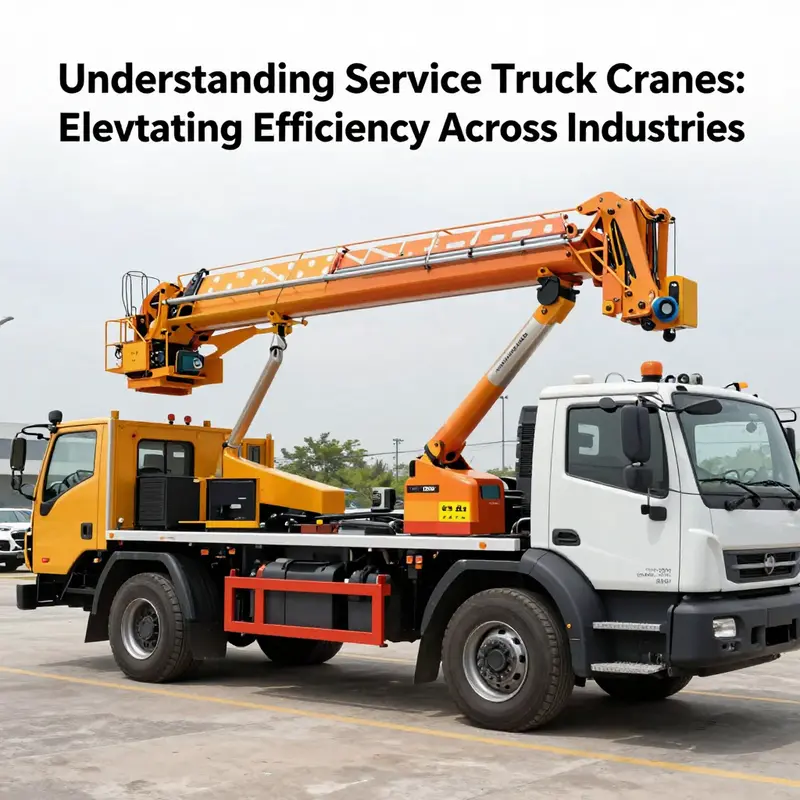
A service truck crane sits at the crossroads of mobility and power, a machine that moves with a load in mind and lifts with a precision born from both engineering and necessity. It is not merely a crane tacked onto a truck chassis; it is a single, purpose-built system designed to reach rugged sites, tight urban corridors, and remote service locations with equal competence. To understand what a service truck crane is, one must look beyond the visible reach of the boom and toward the invisible choreography of hydraulics, control feedback, and stabilization that makes lifting safe and reliable. The heart of the crane is its hydraulic drive system, a network of pumps, valves, pistons, and fluid paths that translate operator intent into motion. When the operator commands a lift, hydraulic pressure moves the hoist cylinder to raise the hook, while separate circuits extend and retract the telescoping or articulate the boom to reach over obstacles. The reliability of these moves rests on the consistency of the hydraulic flow, the responsiveness of the control levers, and the immediate feedback the operator receives from the system. This combination of power and control allows the crane to begin and complete complex moves in environments where a fixed crane would be impractical or impossible to deploy.
The operational repertoire of a service truck crane often includes four coordinated capabilities: hoisting, telescoping, derricking, and slewing. Hoisting is the obvious lifting function, but it is the interplay of the other three that truly defines capability in the field. Telescoping extends the boom to reach greater heights and distances without needing multiple crane configurations. Derricking, which adjusts the boom angle, enables fine-tuned positioning of loads at varying lateral and vertical planes. Slewing, the rotation of the crane about its vertical axis, allows a single crane to access multiple work vectors from a fixed chassis. When these motions are harmonized, a technician can lift a heavy unit from a pickup area, swing it around obstacles, and place it precisely onto a sub-structure, all while keeping the vehicle stable and within safe operating envelopes. These capabilities are essential for tasks ranging from equipment installation and maintenance to material handling and precise placement in cluttered work sites. The unique advantage of the service truck crane lies in its ability to combine transport and lift in one vehicle, reducing the need for a separate crane and the logistical burden that comes with moving multiple machines between sites.
Crucially, the safety envelope around these mechanical capabilities is reinforced by a suite of electronic monitoring and protective features that translate raw hydraulic power into safer work practices. Load Moment Indicators (LMIs) are perhaps the guardian that operators never see but always rely on. LMIs continuously monitor the real-time relationship between load weight, reach, and boom geometry. They provide instant visual and audible cues when the system approaches unsafe limits, and some configurations can even automatically throttle or restrict motion to prevent overreach. In practice, LMIs help prevent accidents that could occur when complex lifts are attempted close to the maximum capacity of the crane. They act like a mental calculator that continuously recalculates the safety triangle of weight, distance, and height, ensuring the operator remains within the machine’s designed operating margins. The presence of LMIs has shifted the operator’s posture from a constant mental arithmetic task to a responsive practice grounded in real-time data, allowing for quicker, safer decision-making under pressure.
Anti-two-block systems add another layer of protection by preventing a dangerous condition in which the hook or load line could collide with the boom tip as the crane moves. This is not just a mechanical safeguard; it is a critical control that keeps the entire lifting configuration aligned and prevents a potentially catastrophic jam that could snap lines or damage the boom. The anti-two-block mechanism works by detecting slack in the line and limiting or stopping reeving when a dangerous geometry is detected. The result is a smoother, safer lift where the risk of a sudden, uncontrolled load drop is minimized. Slew limiters complement this safety net by restricting rotation to preapproved angles, preventing the crane from sweeping into nearby structures, equipment, or people. These limits are particularly important in tight job sites where a full 360-degree rotation could intersect with overhead power lines, building facades, or other equipment spilling into the work zone. The mechanical safeguards are supported by a distributed array of sensors and control logic that keep every motion within a defined envelope.
As work sites become denser and urban environments demand ever-smarter equipment, the operator’s situational awareness is enhanced by backup cameras and proximity sensors. These systems extend beyond the cab to provide a view of the crane’s surroundings when visibility is compromised by the vehicle’s size or by obstacles near the boom’s path. Proximity sensors can alert the operator to nearby people, vehicles, or structures that may not be in the direct line of sight but pose a risk as the crane moves. Audible alarms then provide a multi-sensory cue to pause, reassess, and adjust. This combination of camera, sensors, and sound forms a protective perimeter around the lifting operation, which is especially valuable in congested job sites where a single misstep could have wide consequences.
Electrical safety becomes a distinct concern when service trucks operate near energized lines or within electrical infrastructure. Some specialized models incorporate insulated components and construction that reduce the risk of conductive path exposure. Insulation in critical lines and protective strategies in the control circuits help safeguard operators in environments with live or partially energized hazards. This is not a generic safety feature; it is an explicit design choice tailored to utility work, where the risk profile changes with the proximity of power sources and the type of load being handled. These insulated elements, combined with careful routing of cables and redundant protective devices, reinforce safe operation where the consequences of a mistake can be severe.
The operational mechanisms themselves—an articulated or telescoping boom, integrated outriggers, and a chassis designed for stability—form the backbone of safe lifting. An articulated boom enables flexible positioning, allowing operators to maneuver around obstacles without repeatedly repositioning the vehicle. This flexibility reduces the time spent on a site and minimizes the risk of overextension or sudden movements that could destabilize the truck. Integrated outriggers are essential to the crane’s stability. They extend from the sides of the truck and deploy to create a broad, rock-solid base that absorbs the dynamic forces of lifting. Outriggers must be deployed correctly and fully, and many systems will not permit operation unless they are correctly extended and secured. The stability afforded by outriggers is a crucial line of defense against tipping or swaying when the load is significant or the ground is uneven.
The design philosophy of service truck cranes also emphasizes practicality on the move. A compact and agile design supports urban construction corridors, maintenance crews, and utility services where space is at a premium. The trucks themselves are engineered to traverse varied terrain, from paved streets to rough access roads, while maintaining a safe working footprint when the crane is deployed. In all iterations, the cranes are built with a focus on reliability and ease of maintenance. Operators and maintenance personnel rely on robust hydraulic components, easily serviceable seals, and standardized parts that minimize downtime when issues arise. The result is a machine that can be mobilized quickly, deployed with confidence, and returned to the fleet with minimal disruption to project timelines. In this sense, the service truck crane embodies a blend of rugged engineering and thoughtful design that acknowledges the realities of day-to-day field work.
As technology progresses, newer models increasingly feature digital dashboards that provide an integrated view of crane performance, load conditions, and safety statuses. Remote monitoring capabilities enable fleets and service teams to track usage patterns, detect abnormal readings, and schedule preventive maintenance before minor faults become major failures. Automated safety protocols, such as pre-lift checks triggered by sensor data or geofenced restrictions near restricted areas, further reduce the likelihood of human error and enhance overall site safety. Yet for all the sophistication of the electronics, the core risk-management principle remains simple: never surpass the machine’s limits, never remove the stabilizing outriggers when the load demands stability, and always maintain clear communication among the crew. The combination of mechanical reliability, sensor-driven safety features, and operator training creates a robust framework for safe operation in a wide range of conditions.
Market realism also colors how these features are deployed. The global service truck crane market is projected to expand as more contractors recognize the value of an all-in-one solution that reduces transport complexity and increases on-site productivity. The ability to lift, move, and set heavy components without transporting a separate crane translates into tangible savings in time and cost. This has driven demand for cranes that can operate safely in busy urban centers, on challenging job sites, and in environments where space is limited. As a result, manufacturers and fleets place a premium on systems that seamlessly integrate safety, control, and reliability. The deeper implication for the industry is clear: investment in advanced safety features and robust mechanical design is not merely a compliance exercise; it is a strategic capability that underpins efficiency, uptime, and competitive advantage. In practice, that means operations managers and field crews increasingly expect service truck cranes to provide precise control, real-time feedback, and verified safety margins—every time they are called on to lift a heavy payload.
For researchers, operators, and policy makers, the trajectory is straightforward but meaningful. The day when a service truck crane is simply a lifting device is fading. What remains central is a disciplined integration of hydraulic prowess, mechanical stability, and smart safeguards that together elevate both safety outcomes and operational throughput. In the field, crews rely on the instant feedback from LMIs, the protective vigilance of anti-two-block and slew limiters, and the situational awareness enabled by cameras and sensors. They rely on the reassurance that insulated components protect against electrical hazards in utility work. They rely on the confidence that the crane can respond smoothly to demands while staying within defined limits, even as those demands shift quickly on a busy site. This integrated approach—mechanical capability married to electronic oversight—defines what a service truck crane is and what it does: a mobile lifting solution that prioritizes people, protects equipment, and keeps projects moving safely.
To readers who navigate the broader logistics and construction landscape, this chapter emphasizes how safety features and operational mechanisms are not peripheral accessories but core competencies. They influence how a job is planned, how risks are assessed, and how teams coordinate around a crane that is meant to be both capable and trustworthy. In some cases, the emphasis on safety can seem to slow down a lift moment, but in practice it accelerates the workflow by eliminating unexpected stoppages and reducing the likelihood of costly incidents. A crane that behaves predictably under load gives project managers greater confidence to schedule tasks, coordinate with other trades, and sequence lifts in the most efficient order. The result is a more reliable operation and a more resilient supply chain; the crane becomes not only a tool for lifting but a reliable partner for getting critical work done on tight timelines without compromising safety.
For those who seek practical, on-site takeaways, the key is to understand that the service truck crane operates within a layered safety framework that starts with robust mechanical design and is reinforced by sophisticated electronic monitoring. The load moment indicators and anti-two-block protections are not standalone features; they are part of an integrated control ecosystem that guides every movement. The outriggers and stabilized chassis are the visible assurance of safety, while the digital dashboards and remote monitoring provide ongoing accountability and optimization. Collectively, these elements translate into a safer job site and a more efficient operation, whether the lift occurs on a quiet rural road, a congested urban street, or a remote industrial facility. As fleets increasingly connect maintenance schedules, real-time telemetry, and operator training into a unified safety program, the service truck crane stands as a testament to how modern machinery can honor both speed and safety in equal measure.
For a broader view of how fleets are adapting to evolving safety expectations and operating realities, see the evolving landscape of Private Fleets Trends in Trucking. This resource contextualizes how fleet managers balance mobility, productivity, and risk mitigation when they deploy service trucks with cranes as part of a larger service and maintenance strategy. In practice, it is not just about the crane itself; it is about how the vehicle, the operation, and the people interact to deliver a safe, reliable, and efficient service to customers. In that sense, the service truck crane becomes a microcosm of modern industrial practice: a mobile, capable, and safety-forward tool that extends the reach of skilled technicians while anchoring operations in disciplined control and careful risk management. External resource for deeper technical context and safety guidelines can be found in the official operation manual reference. This document provides model-specific specifications, safety procedures, inspection checklists, and commissioning requirements that underpin the practical usage described here. While the manual is model-specific and technical, its core principles reinforce the message that safe lifting is a consequence of design, discipline, and ongoing practice. For readers who want to explore this topic further, the manual offers a authoritative foundation for understanding how a service truck crane should be operated, maintained, and trusted on site. https://www.scribd.com/document/582147396/Operation-Manual-PDF-Crane-Machine-Truck-Scribd
Final thoughts
Understanding service truck cranes is crucial for companies seeking efficiency and safety in their operations. These versatile machines not only enhance lifting and transportation capabilities but also significantly impact economic performance across multiple sectors. By investing in service truck cranes, businesses can optimize their workflows, reduce costs, and maintain compliance with safety standards. As industries continue to evolve, the integration of these cranes in daily operations will prove indispensable in meeting the demands of modern construction and logistics.