
Acquiring a service truck is a crucial decision for manufacturing, distribution companies, and retail businesses needing reliable transportation solutions. The right service truck can enhance operational efficiency, streamline delivery processes, and support various industry-specific needs—from transporting goods to providing on-site services. This guide will systematically explore how to buy a service truck, ensuring businesses understand their specific requirements and navigate the complexities of vehicle acquisition. Each chapter will delve deeply into determining business needs, choosing between new and used options, researching models, utilizing dealerships and online marketplaces, and finalizing the purchase through appropriate financing strategies.
Sizing the Fleet: Translating Your Business Needs into the Right Service Truck
A service truck is more than a vehicle; it is a mobile workshop that keeps revenue flowing and schedules on track. The first step in buying one isn’t the color, the brand, or the horsepower curve. It’s a precise mapping of your daily work to the truck’s capabilities. Only when you understand how you operate—where you go, what you carry, how long you stay, and what gear you need to keep tools organized—can you choose a platform that won’t become a liability when demand spikes or routes change. For a grounded view of current operating realities, see the Key economic trends impacting the trucking industry. These trends shape the realities of days in the life of a service fleet and, in turn, the kind of truck that makes sense for you.
Consider the jobs you perform and how they shape the vehicle you require. If your technicians routinely haul large toolboxes, ladders, welding gear, or bulky diagnostic devices, you’ll likely need a bed that can support heavy payloads and a chassis with ample tie-down points. In such cases, a full-size platform with a robust bed and a high payload capacity becomes necessary to avoid daily rearrangements and spare the crew from inefficient loading. Conversely, if your routes are heavily urban, with frequent stops and limited hauling, a mid-size crew configuration with strong fuel efficiency and a comfortable cab might strike a better balance between operating costs and driver fatigue. The goal isn’t just to fit tools; it’s to ensure quick, safe access to those tools at every stop, because every minute saved in the field compounds into fewer dispatch delays and more work completed per shift.
Fuel economy and maintenance costs are central to this equation. Fleet operations rotate around predictable expenses, and fuel is typically the largest single line item. Diesel engines often offer superior endurance and fuel economy on high-mileage applications, but the real choice hinges on how the truck will be used, maintenance access, and the dealer or service network you can rely on. A truck that anchors reliability in a region with a sparse service footprint can become a bottleneck. In contrast, a model backed by a broad, readily accessible maintenance network minimizes downtime and keeps technicians productive. The critical point is to compare total cost of ownership, not just the purchase price. The most economical truck over five years may be the one that keeps downtime small and service intervals predictable, even if its upfront price is higher.
Resale value is another practical lens. Equipment fleets cycle trucks as business needs evolve or as new regulatory or operational demands emerge. Vehicles known for durability and predictable depreciation can deliver better returns when it’s time to upgrade. When you’re thinking about resale, consider how the truck holds up under the typical wear of your work—rough terrain, recurring loads, weather exposure, and the ease of finding capable service providers to handle routine maintenance. A well-planned replacement cycle protects your ROI and prevents the kind of end-of-life surprises that disrupt budgets.
Cab comfort and technology matter more than many operators expect. Long shifts demand ergonomic seating, climate control that works across seasons, and modern connectivity that keeps drivers alert and informed. A cab with well-designed storage, built-in tool compartments, and secure tie-down anchors can transform workflow efficiency. Even small gains in driver comfort translate into steadier performance and lower turnover, which is especially important in service operations where reliable staffing is essential to meeting sustained demand. Technology that supports route optimization, simple diagnostic reads, and quick access to maintenance reminders can reduce the cognitive load on drivers and help them focus on the job rather than the truck.
It’s easy to fall into the trap of overbuying. A vehicle configured for the most demanding scenario may end up wasting fuel, occupying more space than needed, and inflating maintenance costs. The rule of thumb is to match the truck to your most frequent tasks, not to the edge cases that occur only a few times a year. In practice, this means carefully evaluating the typical route, average payload, and the number of crew members who will be riding and working from the cab. It also means recognizing how often you’ll need to stage tools, parts, and spares at the job site. A thoughtful balance – enough capacity without excess – reduces both capital outlay and ongoing operating costs.
Beyond the concrete specs, you’ll want to rely on solid research tools to compare options. Manufacturer specifications provide the baseline for capability, but real-world performance data and reliability ratings illuminate how trucks perform under the pressures of daily service. Look for models with proven durability, parts availability, and a service network that can quickly service and restore downtimes. This is where industry data and real-time insights become valuable. They help translate vague promises into a credible picture of what you’ll actually experience once a truck joins your fleet. When you compare models, consider not just initial compatibility but long-term adaptability—whether a given platform can accept future toolboxes, new accessories, or evolving regulatory requirements without forcing you into a costly reconfiguration.
If you want a sense of how broader economic and operational conditions might influence your choice, it’s useful to connect the needs you’ve identified to trends in the trucking sector. A broader perspective on the industry keeps your decision aligned with where the market is heading—whether that means shifting demand, regulatory adjustments, or evolving procurement practices for commercial fleets. This broader lens helps ensure you choose a truck that remains a solid foundation as your work evolves. A practical way to anchor this is to consult industry commentary that highlights current operating realities and forecasts; the discussion on key economic trends impacting the trucking industry offers a concise view of these factors without getting lost in hype. By tying your internal needs to external realities, you increase the odds that your purchase will stay relevant for years rather than becoming a quick-fixed comfort that loses value as conditions change.
Having mapped the work profile and weighed the economic and operational implications, you will have a clear set of thresholds to guide the next steps. The next phase will weigh the benefits of new versus used, assess the exact specifications most critical to your workflow, and determine how much customization you require to fit your tools, racks, and workflow patterns. This process is not abstract; it is a practical translation of day-to-day work into a set of measurable criteria. For example, if most tasks involve transporting heavy equipment across multiple job sites, you’ll prioritize high payload capacity, a sturdy bed, and a dependable powertrain with long-warranty support. If your environment includes tight urban corridors, you’ll emphasize maneuverability, braking response, and ergonomic access points, along with a cab that reduces driver fatigue. The core question remains the same: does this truck – configured with the right balance of capacity, efficiency, and reliability – enable your technicians to perform more tasks, with fewer interruptions and lower operating costs?
Informed by this needs-based framework, you can approach the market with confidence. You’ll know what to compare, what to validate in a test drive, and what questions to ask dealers or fleets that specialize in commercial vehicles. You’ll also be able to articulate the operational case for the investment to stakeholders, presenting a straightforward picture of how the chosen truck improves uptime, reduces costs, and supports growth. And while the specifics of each job will steer you toward particular configurations, the overarching discipline remains consistent: start with the work, translate that work into measurable truck specifications, and confirm those specifications against a broader reality of maintenance, fuel use, and resale value. That discipline is what keeps a service truck from becoming a sunk cost and instead makes it a durable asset in your fleet.
For a practical, buyer-focused exploration of diesel truck characteristics and buying considerations, consult the diesel truck buying guide from a well-regarded automotive source. This external perspective provides additional validation of the factors that matter when you’re aligning your needs with the right drivetrain, chassis rating, and fuel strategy. It reinforces the idea that a thoughtful approach to specification and ownership costs yields better outcomes than chasing the newest feature or the flashiest badge. In the end, the most successful purchase is the one that stays aligned with your daily work, preserves uptime, and scales with your business as it grows. The process, rooted in a clear needs assessment, remains your north star as you navigate new or used options, financing, and the practical steps of inspection, negotiation, and closing.
Choosing Between New and Used Service Trucks: Balancing Cost, Reliability, and Long-Term Value
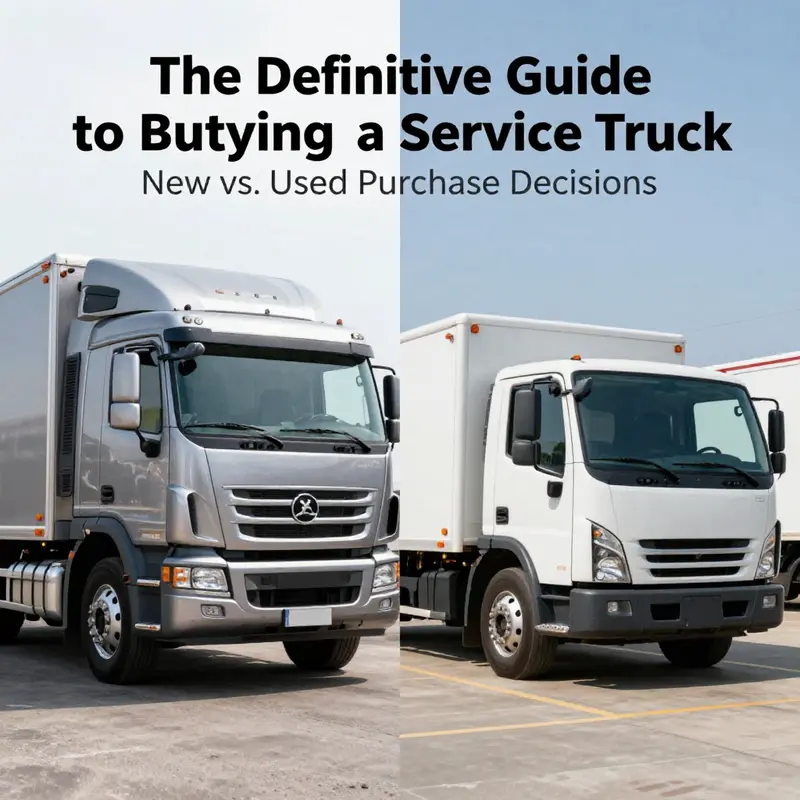
Balancing immediate cost and long-term value is the core of deciding whether to buy a new or used service truck. The right choice depends on how your business operates, the types of jobs the truck will perform, the cash available for purchase, and how willing you are to manage maintenance and operational risk. This chapter walks through the practical trade-offs and shows how to translate business needs into a decision you can defend financially and operationally.
Start by defining the primary role the truck will play. Will it carry heavy payloads daily, serve as a mobile repair bay, or act as a support vehicle with intermittent use? Vehicles used continuously for heavy work demand predictable reliability and uptime. In those cases, newer models with warranties and modern drivetrain technology reduce unexpected downtime. If the truck is intended for occasional or light-duty tasks, a used vehicle can often meet needs while preserving capital for tools, personnel, or other investments.
Upfront purchase price is the most obvious difference. New trucks carry a higher initial cost, which ties up capital and increases monthly financing payments. That cost buys a factory warranty and the latest components. Warranties typically cover major drivetrain and electrical systems for several years or a set number of miles. This protection simplifies budgeting: for the warranty period, most major repair costs are predictable or avoided entirely. That predictability is valuable when downtime carries a direct revenue cost.
Used trucks present a lower entry price. Lower purchase cost can be decisive for startups or businesses expanding a fleet on a tight budget. With saved capital you can buy specialized equipment, hire technicians, or invest in telematics. The trade-off is greater exposure to maintenance risk. Hidden issues—frame corrosion, transmission wear, or prior accident damage—can turn a bargain into a money sink. That risk is manageable with disciplined due diligence: service history review, inspection by a qualified mechanic, and a test of systems under load. When vetting used vehicles, insist on maintenance records and, if possible, independent reports. A well-documented used truck with consistent service history can approach the reliability of a newer vehicle at a fraction of the cost.
Reliability influences operating costs beyond repairs. Newer engines and drivetrains often have improved fuel economy, lower emissions, and more efficient power delivery. For fleets covering many miles every day, fuel savings compound quickly and reduce the total cost of ownership. Newer vehicles also tend to require less frequent unplanned maintenance, which reduces lost labor hours and emergency towing costs. Conversely, older trucks can be more expensive to insure and may suffer from out-of-production parts that cost more or take longer to source.
Technology and safety features are another area where new trucks typically lead. Modern safety systems—like stability control, enhanced anti-lock systems, and advanced braking technologies—reduce accident risk and protect crews. Connectivity features such as telematics, GPS, and remote diagnostics improve fleet management. They allow proactive maintenance scheduling, route optimization, and real-time monitoring of vehicle health. These improvements translate into fewer surprises and better utilization of assets. If improved fleet oversight and data-driven maintenance are priorities, newer trucks provide a stronger foundation. For businesses focused on maintenance practices, tracking these trends can be worthwhile; resources on private fleet maintenance trends offer useful context for deciding how much telematics and modern safety technology matter to your operations: private fleet maintenance trends.
Depreciation affects the financial calculus in a counterintuitive way. New trucks lose value fastest in the first few years. If you plan to sell or rotate vehicles frequently, that steep depreciation can be costly. Used trucks have already absorbed the majority of their initial depreciation, which stabilizes their resale curve. This can make a used purchase a better choice if you expect to resell after a shorter ownership period. To compare, run scenarios that include expected resale value at the intended disposal point.
Total cost of ownership (TCO) is the most useful comparison tool. Build a five-year TCO model that includes purchase or financing costs, insurance, fuel, scheduled maintenance, expected repairs, downtime costs, and resale value. Don’t forget soft costs: productivity losses when a truck is unavailable, administrative time to manage repairs, and the impact on customer service. In many cases a new truck’s higher purchase price is offset by lower repair frequency and better fuel efficiency, resulting in a lower five-year TCO. In other situations, especially where usage is light or capital constraints are tight, a used truck will be the more economical choice.
Financing and cash flow matter. New trucks often qualify for attractive manufacturer-backed financing or promotional rates. Those offers can lower monthly payments and make newer equipment accessible. Used truck financing typically carries higher interest rates and shorter terms. Consider how financing terms affect monthly cash flow and whether preserving a cash cushion for operations and unexpected repairs is more important than owning newer equipment.
Maintenance strategy should match the truck choice. With new trucks, plan scheduled preventive maintenance to preserve warranties and detect emerging issues early. With used trucks, increase the rigor of inspections and reserve a higher contingency budget for repairs. Establish a service contract or relationship with a local shop experienced in your truck type. If your operation relies on minimizing downtime, consider investing in a backup vehicle or rental plan to keep work progressing when a truck is out of service.
Finally, consider regulatory and operational context. Emissions standards, weight limits, or specialized licensing can influence the best choice. Newer models may already meet stricter emissions rules, avoiding retrofit costs or regulatory headaches. If you operate across borders or in jurisdictions with evolving rules, a newer vehicle may reduce compliance risk.
Choosing between new and used service trucks is rarely a purely financial decision. It is an operational decision with financial consequences. Align the purchase with how the truck will be used, how much risk your business can tolerate, and how much you value modern safety and fleet management capabilities. Build a clear five-year TCO comparison, insist on thorough inspections for used vehicles, and plan maintenance according to the asset’s age and role. With those steps, you can pick the option that supports uptime, protects your crew, and fits your business plan.
For a practical checklist on evaluating used trucks, consult a detailed buying guide that walks through inspection points and negotiation tips: https://www.caranddriver.com/features/a49837834/buying-a-used-truck-tips/.
Finding the Right Service Truck: A Thorough, Real-World Guide to Research and Model Comparison
Choosing a service truck is more than picking a body style or a single feature. It is a decision that threads directly into how reliably your crew can reach a site, how safely they work, and how efficiently they convert downtime into billable hours. The research journey, therefore, should read like a careful briefing rather than a quick shortcut. Start by situating the purchase in the context of your daily operations. What tasks will the vehicle routinely perform? Is it primarily a mobile workshop with heavy tool storage and a need for power on the go, or does it double as a light tow vehicle, carrying a portable hydraulic lift and essential recovery gear? The answers shape the vehicle’s core parameters: payload capacity to carry tools and parts without compromising stability, the size and configuration of the cab to house technicians for long shifts, and the mounting options for equipment that will live on the chassis for years. A tow or roadside assistance scenario might demand higher lifting capacity and a robust winch, while a mobile repair operation may prioritize abundant power outlets, cable management channels, and clean, organized tool bays. In other words, the operational profile should be the compass that guides every subsequent evaluation of models and configurations.
From there, the decision between new and used trucks comes into sharper relief. New trucks come with current safety features, a warranty tail that shortens the risk of unexpected upfront expenses, and the freedom to customize from factory lines. They are, by design, more expensive, but the long arc of maintenance costs can tilt in their favor if uptime matters. Used trucks, by contrast, offer a lower entry price and can be perfectly suitable for crews with predictable routes and tight capital budgets. The catch is a closer eye on history, mileage, and the potential need for ongoing maintenance or replacement parts. In both cases, the aim is not to chase the lowest sticker price but to secure a vehicle whose total cost of ownership aligns with your operating reality. This is where the research stage becomes a financial discipline as well as a technical one.
As you begin to compare models, the heart of the exercise is a disciplined, model-agnostic evaluation of specifications. Payload and towing capacity are not merely numbers; they are a certainty margin between carrying a full complement of tools and risking overload on a rough road. The interior space of the cab matters because technicians work long hours; ergonomic seating and intelligent storage reduce fatigue and improve efficiency. Powertrain choices, whether diesel or gasoline, carry implications for torque, fuel economy, maintenance intervals, and the availability of service expertise across your destinations. The trade-offs are rarely one-dimensional: diesel offers strong torque and durability for heavy-duty work, but upfront costs and fuel considerations can change the math over time. Your comparison should extend to how each model accommodates specialized equipment—hydraulic lifts, integrated lighting, cable reels, and mounting systems that a mobile service operation relies on every day. Some manufacturers offer factory-installed configurations designed to optimize these integrations; others require aftermarket customization. Either path should be weighed against reliability, warranty coverage, and the ease with which parts and service can be obtained.
Reliability and the breadth of service networks form a second pillar in the evaluation. A service truck is a high-usage asset; downtime translates directly into lost work. Independent reliability data and user reports become valuable arbiters when short-term performance clashes with long-term durability. A model’s resilience is not just about the chassis and engine; it is also about the consistency and reach of its service network. A wide, well-equipped, and easily accessible network means faster parts delivery and more options for qualified technicians. The reality is that the best vehicle on paper fails to deliver if a service center is hours away or parts are back-ordered for weeks. In the modern marketplace, the scale of a manufacturer’s commercial-vehicle service footprint—whether measured by certified dealers, workshops, or parts distribution—often correlates with lower downtime and smoother operations. When you sit with a dealer, ask about response times, warranty terms, and the availability of remote diagnostics or telematics that can flag issues before they become failures.
The idea of total cost of ownership (TCO) reframes the decision from a single purchase price to a lifecycle perspective. The upfront cost is only the first line item. Fuel efficiency, maintenance frequency, and parts availability shape the ongoing expense curve. Insurance premiums, residual values, and potential tax incentives for fleet purchases can alter the long-run math in meaningful ways. A truck that costs a bit more upfront but delivers lower fuel use, longer service intervals, and higher uptime can outperform a cheaper alternative over several years. The best choice, therefore, is not necessarily the model with the lowest price tag but the one that presents the most predictable, lowest-risk operating profile over the expected service life. This is where the data becomes more than a comparison spreadsheet; it becomes a practical forecast of how your teams will move, the windows of opportunity you will gain, and the resiliency you will build when demand spikes or routes lengthen.
In today’s buying process, digital tools play a decisive role. Online platforms offer robust vehicle comparisons, real-time pricing, and access to historical data where available. You can explore configurations, build options, and even run virtual tours that help you visualize how a given truck will actually fit into your fleet’s workflow. A thoughtful approach to digital exploration includes not only comparing spec sheets but also simulating usage scenarios. How will the interior be configured for your crew? What is the sequence of steps for tool retrieval and secure storage during a typical shift? How will you monitor fuel use and maintenance alerts across multiple vehicles? A thorough digital pass helps reveal hidden frictions—such as misaligned storage dimensions, inconvenient power outlets, or difficult-to-access service panels—that can erode efficiency in real life. When you rely on these tools, you’re not planning a purchase so much as you’re rehearsing a day in the field.
It is also wise to connect the research to broader industry insights that influence service operations. For example, the way fleets handle maintenance in private or mixed-use configurations can shape expectations for reliability and downtime. For a deeper look into maintenance trends in private fleets, you can explore further reading at private fleets trends in trucking maintenance. Such perspectives illuminate how maintenance scheduling, parts availability, and technician staffing interact with vehicle choice. They remind us that a truck is not just a tool; it is a platform that supports your people and processes on the road, and its performance should be evaluated with that human-centered lens.
As you finalize the research, the practical steps of comparison come into clearer focus. Create a decision framework that weighs needs, specs, reliability, and TCO in a single, coherent narrative. Rank critical features by how directly they impact daily operations. Consider how easy it is to service the vehicle locally, how quickly you can add or remove specialized equipment, and how the ownership experience aligns with your procurement strategy. Do not overlook financing options and insurance considerations, which can tilt the balance between two otherwise similar choices. Understand the trade-offs you are willing to accept for minimal downtime, predictable maintenance, and scalable growth. A methodical, almost surgical approach to evaluating models keeps the process focused and prevents drift into wishful thinking or impulse buying.
The ultimate aim of this research phase is to arrive at a configuration that feels like a natural extension of your team’s workflow. You want a truck that disappears into the background of a busy day—reliable, familiar, and efficiently engineered—while still offering the flexibility to expand as needs change. The purchase should feel like a calculated investment rather than a gamble on future utilization. When you achieve that balance, you gain not just a vehicle but a trusted partner in delivering service wherever your customers require it. This is the essence of buying a service truck: a careful blend of clarity about what you do, disciplined analysis of what each model can deliver, and a practical eye for how all the moving parts come together on the road.
External resource: https://www.edmunds.com
From Showrooms to Online Marketplaces: A Practical Path to Buying a Service Truck That Fits Your Business
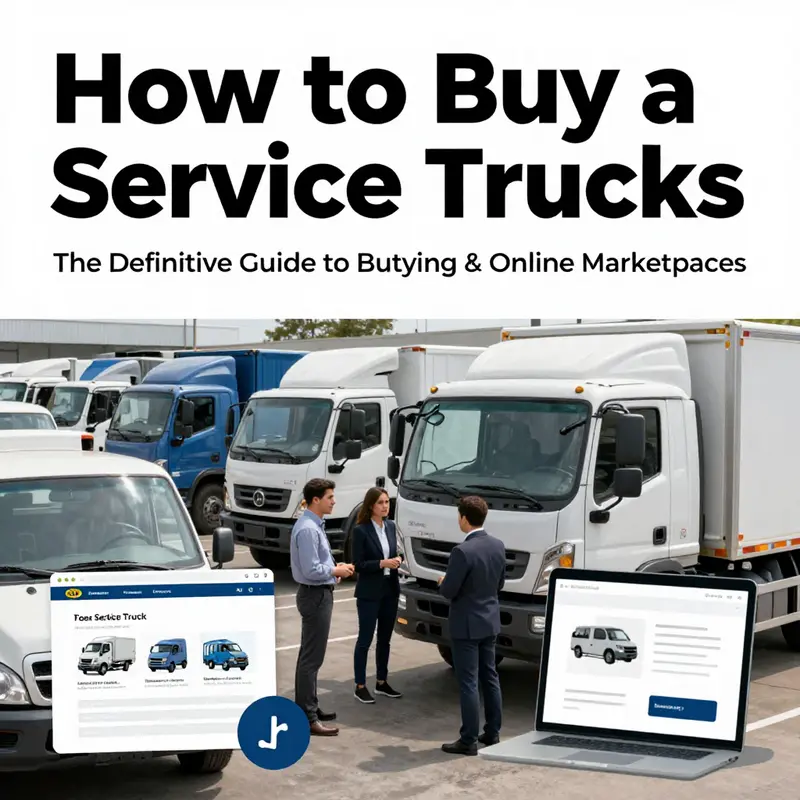
A service truck is more than a vehicle; it is a mobile workshop, a first responder to a breakdown, and in many cases the heartbeat of a service-based operation. Choosing the right truck is not about finding the loudest engine or the newest badge; it is about aligning every feature with the work your team performs, the streets you traverse, and the demands of uptime and reliability. When you set out to buy, you embark on a decision that will ripple through cash flow, maintenance schedules, insurance costs, and even customer perception. The path from first inquiry to final signature should feel deliberate, not impulsive, and it should weave together two separate buying worlds: the showroom floor and the expansive reach of online marketplaces. The aim is to end up with a truck that is precisely matched to your workload, not a vehicle that looks impressive in a photo but underperforms in the field.
Start with the use case. Before you ever step into a dealership or scroll through listings, translate your daily tasks into concrete vehicle requirements. If your business is utility or field service, you’ll likely need a truck with a strong chassis, reliable torque, and a cargo area configured for tools and materials. If you’re focused on equipment transport or on-site installations, you’ll want ample payload, secure mounting points, and perhaps a spacious cab that keeps technicians comfortable during long days. For mobile repair operations, built-in tool storage, power outlets, and a well-thought-out cab layout matter as much as raw horsepower. Each scenario pushes the specs in a different direction, so the first step is to map your workflows and let those workflows drive the truck features rather than chasing headlines around horsepower or flashier interiors.
The choice between new and used remains central. New trucks bring warranties, the latest safety enhancements, and customization options that can tailor the vehicle to your exact configuration. They also carry a higher upfront price and, in most cases, lower long-term maintenance costs. Used trucks, by contrast, can offer substantial initial savings but require careful appraisal of history, service records, and current condition. The economics are straightforward: a lower upfront price must be weighed against potentially higher maintenance and repair costs, more frequent downtime, and the risk of hidden wear that may not become evident until after you drive away. If you lean toward used, plan for a rigorous inspection regime and a contingency fund for immediate upgrades or repairs. If you lean toward new, think through whether the customization you need—such as tool cabinets, power systems, or specialized mounting rails—is essential to your operations and how long you plan to keep the asset.
Research and comparisons matter, but they should be purposeful rather than procedural. In practice, this means focusing on specifications that reflect your use case, then cross-checking those specs against price, reliability, and parts availability. Rather than chasing every model feature, prioritize core capabilities: payload capacity, gross vehicle weight rating, drivetrain torque, fuel or energy efficiency, braking and stability aids, and the durability of the chassis and body. When you compare models, look for consistency in how manufacturers spec and rate these capabilities, and seek out reliability data and maintenance histories for similar fleets in your industry. While well-known consumer sites can offer general guidance, for a service truck the most valuable data come from sources that synthesize commercial-vehicle performance, uptime, and lifecycle costs based on real operating conditions. The goal is to internalize how a given truck will hold its value and how its operating costs will stack up against the other options you’re considering.
Dealerships and online marketplaces each offer different advantages, and a savvy buyer uses both to build a complete picture. Dealerships provide a path to certified pre-owned vehicles and formal warranties, plus financing options and aftercare services that can simplify ongoing maintenance. They often maintain a local presence, offer vehicle history documentation, and can arrange for on-site inspections or test drives. Online marketplaces, by contrast, broaden your access to inventory, often including niche or multi-region listings that a local dealer can’t match. These platforms typically present detailed condition reports, pricing histories, and direct seller contact, which can be invaluable when you’re balancing budget against availability. A balanced approach might start with a dealer for confidence and support, then supplement with online searches to locate a specific body style, equipment layout, or rare configuration that serves your operation better. In either channel, verify the basics: title validity, service records, and any transferable warranties or remaining maintenance plans. When you negotiate, bring price benchmarks and a clear sense of your total cost of ownership, not just the sticker price.
Financing is more than a monthly payment. For a commercial vehicle, financing terms, insurance costs, and tax implications all shape the long-term economics of the purchase. Many lenders understand the cash-flow realities of a service fleet and offer terms that align with fleet utilization, depreciation cycles, and maintenance planning. If your business has seasonal fluctuations, you might benefit from a financing plan that allows for seasonal adjustments or a pay-as-you-go maintenance program that reduces the financial burden during slower periods. Regardless of the route you choose, insist on a transparent breakdown of the total cost of ownership and a clear outline of what the warranty covers, what it excludes, and how service intervals are handled. A trustworthy lender will also walk you through insurance considerations, which in turn influence theft-deterrence measures, trackability, and overall risk management for the fleet.
Beyond the mechanical and financial realities, think about how the truck will fit within your broader operations and future plans. Diesel power often marks a practical choice for heavy-duty service work in terms of torque and fuel economy under load, but it is essential to weigh maintenance intervals, parts availability, and local diesel supply practicality. A robust platform is only as good as the support network that keeps it running. Many buyers find value in aligning the truck with a broader service ecosystem, including parts suppliers, maintenance yards, and scheduling software that helps you optimize routes, job assignments, and downtime. For businesses operating at scale or across multiple jurisdictions, professional platforms that integrate route optimization, permit applications, and compliance assessments can streamline the transition from acquisition to operation, ensuring your new asset contributes to smoother workflows rather than introducing administrative bottlenecks.
As part of building that cohesive picture, you’ll want to gauge how asset values are likely to evolve in the current market environment. The trucking sector increasingly values reliability, uptime, and the ability to configure assets to specific service needs. You’ll find that total cost of ownership is not only about fuel economy or maintenance costs; it’s about how the truck supports productive hours, reduces non-billable downtime, and retains value as your business grows or shifts focus. Trends in fleet utilization and capital allocation can influence whether to buy outright, lease, or explore a hybrid approach that preserves liquidity while still enabling you to outfit vehicles with the exact tool storage and electrical configurations your teams require. In the long run, the right truck is not simply the best-looking model on the lot; it is the asset that minimizes idle time, accelerates service delivery, and holds its value as your routes and workloads evolve. For a broader perspective on how these market dynamics are shifting the industry, explore discussions around the key economic trends impacting the trucking industry, which offer context for asset planning and price negotiations. key economic trends impacting the trucking industry.
When you finally compare offers, keep your attention on the whole lifecycle of the truck, not just the moment of purchase. A well-informed buyer asks for a comprehensive vehicle history report, confirms that all paperwork—title, service records, and warranty details—is complete and legitimate, and negotiates terms that reflect the true cost of ownership over five years or more. It is tempting to chase a larger or more powerful machine to impress customers or project a certain image, but a truck that is oversized for your actual workload invites higher fuel costs, more challenging maneuverability, and unnecessary capital outlay. The safest path is a precise match to workload. If you overestimate the demand you’ll place on the truck, you pay in days of downtime and added maintenance; if you underestimate, you miss opportunities to complete jobs efficiently and safely. A disciplined buyer knows that the best decision often involves a carefully chosen compromise: enough capability to perform the job with margin for growth, but not so much truck that every mile is a higher cost in disguise.
In the end, the process of buying a service truck should feel like a careful, ongoing conversation between your current needs and future ambitions. It requires a clear definition of use, a disciplined approach to evaluating new versus used, a strategic mix of dealership guidance and online research, and an eye for the total cost of ownership. It is not merely a purchase; it is a strategic investment in uptime, service quality, and competitive resilience. The chapter that begins with a precise use case, moves through informed comparisons, and ends with a purchase aligned to your business cadence will pay dividends as soon as the first job is completed and the first route is dispatched.
External resource: Bankrate’s guide to buying a car provides practical finance-focused insights that translate well to the commercial realm, particularly when evaluating total cost of ownership, negotiating with sellers, and understanding the broader financial implications of vehicle purchases. https://www.bankrate.com/insurance/car-insurance/how-to-buy-a-car/
Financing and Finalizing Your Service Truck Purchase: From Funding to Road-Ready Delivery
Securing a service truck is not simply about picking the right vehicle; it is about aligning the financing with your business cadence, risk tolerance, and long-term goals. The path from funding to delivery hinges on understanding how different financing structures affect cash flow, maintenance costs, and the ability to scale. A thoughtful approach begins with a clear view of what you need the truck to do for your operations, then translating those needs into a funding plan that safeguards liquidity while keeping the fleet flexible for future work. In practice, this means balancing asset quality with cost of capital, choosing between new or used equipment, and weaving insurance, registration, and maintenance into a seamless purchase lifecycle. The journey from loan application to the moment you pull the keys off the lot should feel less like a sprint and more like a careful runners’ tempo, where every mile is measured against the rhythm of your business finances.
The first decision in financing is not merely where to borrow, but what form of capital best preserves your working capital while meeting service commitments. If you anticipate rapid work growth or must demonstrate reliability to clients, a new truck with the latest safety and efficiency features can be appealing, though it often comes with higher upfront costs and potentially longer approval times. For many operators, a used truck offers lower purchase price but invites additional maintenance planning and tighter depreciation schedules. Either choice should be evaluated against the term length you can support and the total cost of ownership over the vehicle’s life. In either case, a well-structured financing plan will include a clear down payment amount, a realistic monthly payment schedule, and a term that limits risk should your revenue fluctuate with seasonality or market demand.
Bank auto loans remain a traditional avenue that pairs long terms with predictable payments. They are particularly attractive when you want steady, borrow-to-own financing with the possibility of lower interest rates over longer horizons. However, the eligibility criteria tend to be strict: a solid credit history, verifiable income, recent banking activity, and a clean driving record can all influence the likelihood of approval and the rate offered. The process can be slower, with more documentation and underwriting steps, but for businesses with stable cash flow and a strong balance sheet, a bank loan can be a reliable backbone for a fleet investment. In some qualification scenarios, rural business programs offer guaranteed loan options that support equipment purchases, including trucks, which can be a meaningful consideration for regional operators seeking favorable terms or access to capital that might not be available through standard channels.
Manufacturer or dealer financing presents another pathway, with in-house programs designed to streamline the purchase of commercial vehicles. These arrangements can offer promotional rates, deferred payments, or bundled maintenance packages that reduce the cost of ownership over the first several years. The appeal here lies in speed and convenience: a single application can lead to a financing decision that aligns with the dealer’s delivery timeline, minimizing downtime between selecting a truck and putting it to work. The caveat is that these programs may come with higher minimum credit requirements or tighter conditions on vehicle customization and mileage limits. Yet for operators who value speed and consolidated service, in-house financing can be a practical option if the terms are transparent and the total cost of financing is favorable when viewed against alternatives.
Leasing, whether operating or capital, serves as a powerful tool to preserve capital and maintain fleet flexibility. An operating lease keeps the truck off your balance sheet in many accounting frameworks and typically features lower monthly payments and the option to upgrade at the end of the term. This structure suits businesses that prefer to refresh equipment regularly to stay current with technology and safety features, or those that anticipate changing service needs. A capital lease, sometimes treated like a loan, transfers ownership at the end and can be attractive when the accounting and tax treatment align with your business strategy. Leasing also offers predictable budgeting and often includes maintenance and service packages, helping control operating costs. The choice between operating and capital leases should reflect not only the current cash position but the long-term plan for fleet modernization and resale value.
Equipment financing and commercial truck loans are tailored to commercial buyers and can accommodate both new and used vehicles. Specialized lenders understand the nuances of fleet operations and may offer faster decisions than traditional banks, with the truck itself serving as collateral. Interest rates in these programs can vary with credit quality, debt service coverage, and the lender’s appetite for risk, but they can provide quicker access to capital and flexible repayment terms that align with fleet utilization. For operators balancing cash flow with rapid fleet growth or replacement, this option can strike a balance between ownership and affordability, enabling you to build equity in a vehicle while preserving liquidity for other essential expenses such as parts inventory, insurance, and on-site maintenance facilities.
A sale-leaseback can unlock immediate capital from existing equipment while preserving the ability to use the same trucks. If you already own vehicles that are underutilized or that can be repurposed to support new operations, selling them to a financier and leasing them back can inject working capital without interrupting service delivery. The advantage is clear: you maintain operational continuity while freeing cash to fund new purchases, upgrades, or the integration of a better maintenance program across your fleet. It is critical, however, to compare the all-in cost of the sale-leaseback against alternative financing routes, as the long-term cost may be higher or lower depending on utilization, residual values, and the terms of the lease agreement.
As you explore these options, prepare to assemble a cohesive package that demonstrates your business viability and the return on investment a service truck will deliver. The documentation you assemble will typically include government-issued identification, proof of business registration, and recent financial statements. For self-employed operators, personal tax returns and bank statements may be required to supplement business data. Having a purchase agreement or invoice at hand helps lenders calculate the exact financing need, while the vehicle title or lien information will matter for used trucks. It is crucial to ensure all documents are up to date and accurate; even minor discrepancies can slow down a decision and add costs that erode the financing advantage.
When the time comes to apply, you may encounter a spectrum of decision timelines. Online portals and in-person consultations can yield instant pre-approval decisions in some cases, though full underwriting often follows. The key is to approach multiple lenders with a consistent picture of your finances, avoid surprises, and be prepared to negotiate terms that reflect your business footprint. A transparent discussion about your cash flow, seasonal demand, and planned maintenance schedule helps lenders gauge repayment capacity and tailor a package that minimizes risk while maximizing fleet reliability. In this sense, the financing journey is as important as the vehicle choice itself because it shapes how you deploy the asset and how you protect your bottom line over time.
Once you have a financing offer, finalize the purchase with a careful review of all terms. Sign the contract only after you have verified the rate, term, down payment, and any fees or prepayment penalties. Insurance is typically a lender requirement, with the policy naming the lender as a loan beneficiary or loss payee. You will also need to secure registration and titling in the appropriate name, and you should coordinate the delivery date with the seller to ensure the vehicle is ready for service on your schedule. The first weeks after delivery are critical for establishing your payment cadence and confirming the maintenance plan that accompanies the financing. Setting up automatic payments, scheduling regular service, and assigning responsibilities for insurance management can prevent gaps that would otherwise threaten compliance or uptime.
Post-purchase discipline matters as much as the financing structure. Track every payment, keep a meticulous record of contracts and insurance policies, and monitor the truck’s utilization against its depreciation trajectory. The financial discipline you establish now will impact your credit profile and access to future capital for fleet expansion or modernization. If you encounter a change in business conditions, know that options like refinancing or restructures exist, and discussing them early with your lender can preserve flexibility and avoid disruptions to operations. The overarching aim is to secure a durable, cost-effective financing arrangement that supports reliable service delivery and predictable budgeting.
Pro tips to strengthen your financing strategy include comparing offers from multiple lenders to surface the best rate and terms, carefully asking about origination fees and prepayment penalties, and always verifying the title status and lien placement before finalizing any deal. If you plan to buy a used truck, insist on a clean title and confirm there are no outstanding liens that could complicate ownership transfer. For operators seeking broader market context, it helps to stay informed about how industry dynamics influence financing decisions; see this broader perspective on key economic trends impacting the trucking industry for additional insight into macro factors that ripple through lender risk assessments and purchase pricing. key economic trends impacting the trucking industry
In the end, the right financing path for a service truck is the one that aligns with your cash flow, risk tolerance, and service commitments. It is not only about choosing a loan or a lease; it is about shaping a practical lifecycle for the asset that keeps your fleet available, dependable, and ready to meet client expectations. By moving thoughtfully through needs assessment, option selection, documentation, application, finalization, and disciplined post-purchase management, you create a foundation that supports steady growth and resilient service delivery. The financing decision, when made with clarity and rigor, becomes a strategic enabler of expansion rather than a hurdle to operation. External resource: https://www.bankrate.com
Final thoughts
Purchasing a service truck is a strategic investment that can significantly impact your business operations. By thoroughly understanding your requirements, evaluating new versus used options, and performing comprehensive research, you can make an informed decision that aligns with your company’s goals. Utilizing both dealership resources and online platforms ensures you get the best value, while proper financing will help you manage your budget effectively. Ultimately, the right service truck can enhance your service delivery, support your operational needs, and contribute to your business’s overall success.