

The Ford F-350 diesel truck is a powerhouse designed for demanding jobs and long-haul transportation, making it a preferred choice across various sectors, including manufacturing, construction, and retail. Ensuring that your F-350 receives the best possible service is essential not only for its operational efficiency but also for maximizing its lifespan and performance. This article will provide insights into reliable servicing options available for your F-350 diesel truck, specifically tailored for businesses that rely heavily on this robust vehicle. From authorized dealerships to specialized heavy-duty repair shops, fleet maintenance providers, online service platforms, and customer support services, we will cover each option in detail. By the end, you will be equipped with the knowledge to choose the right service provider that aligns with your needs and operational requirements.
From Showroom to Workshop: Navigating Authorized Service for Your Heavy-Duty Diesel Pickup
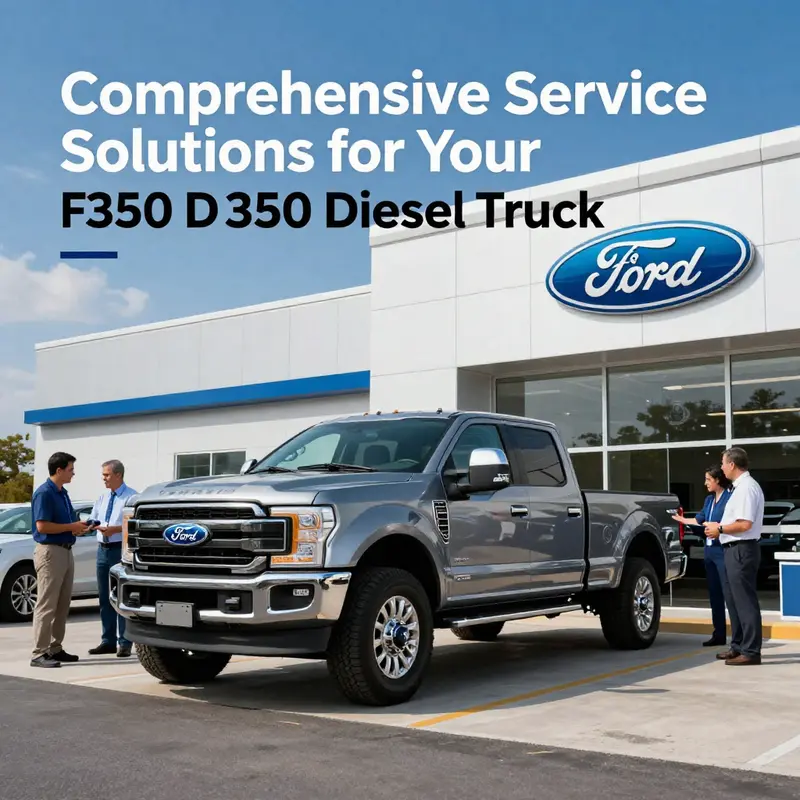
Choosing where to service a heavy-duty diesel pickup is more than a matter of proximity. It is a decision that affects reliability, uptime, and the long-term health of the vehicle’s drivetrain and emissions systems. When the goal is to keep a workhorse truck performing at its peak, the safest path is to lean on the manufacturer’s authorized service network. These centers are staffed with technicians who receive factory-level training, use diagnostic tools calibrated to the OEM software, and have access to the parts that are designed to work together with your engine and heavy-duty components. For readers who depend on their truck for daily work, long road trips, or demanding hauling, that combination of expertise and compatibility translates into fewer surprises and more predictable maintenance outcomes. In practice, this means a service experience that is streamlined, transparent, and aligned with factory standards that help preserve warranty coverage where applicable and protect resale value over time.
The core advantage of using an authorized service network is the assurance that technicians are trained specifically on the diesel engines and heavy-duty components that define a capable pickup in this class. Diesel engines in this segment rely on tight tolerances, high-pressure fuel systems, sophisticated exhaust aftertreatment, and robust cooling and lubrication strategies. The technicians are not just generalists; they are specialists who understand the nuances of diagnosing a diesel’s electrical and mechanical systems, interpreting factory service bulletins, and performing software updates that can affect shift logic, fuel delivery, and emissions controls. This depth of knowledge is particularly valuable for routine maintenance such as oil changes and filter replacements, but it also matters for more complex tasks like diesel particulate filter cleaning, exhaust gas recirculation system work, and precise alignment and torque specs on front and rear suspensions that carry heavy loads.
Beyond training, OEM service centers have access to genuine parts and OEM-approved fluids and lubricants. In the world of heavy-duty diesel pickups, the difference between a part that merely fits and one that is designed to work harmoniously with the rest of the system can be substantial. Using genuine or OEM-approved parts reduces the risk of accelerated wear on related components and minimizes the likelihood of symptoms that mimic a bigger problem. This fidelity is especially important for items tied to diesel-specific emissions systems, brake and hydraulic systems, and transmission assemblies that see heavy use in work or towing scenarios. While aftermarket parts can be reliable in many applications, the alignment between a diesel engine and its emissions equipment is a careful balance that is best maintained with parts sourced through the manufacturer’s channels.
Locating the right authorized service option is straightforward, though the process can feel routine rather than thrilling. The official service portal offers a dealer locator that allows you to search by location, browse available services, and schedule appointments online. When you arrive, you will likely find a dedicated service advisor who will guide you through the intake process. You can expect a clear explanation of the maintenance plan for the current visit, an assessment of any discrepancies, and a transparent estimate of the labor and parts required. In many cases, you can bundle multiple services—oil changes, filters, brake inspections, fluid top-offs, and diagnostic checks—into a single visit, which optimizes downtime and can better protect a maintenance schedule for busy workweeks.
Scheduling online has become the norm at many authorized centers. The system generally offers flexible options: you can book for a specific time window, request an early drop-off, or arrange a same-day diagnostic if you suspect an issue that needs immediate attention. The diagnostic workflow at an authorized shop is worth noting. Modern diesel pickups rely on a network of sensors and controllers that communicate through a common data bus. A certified shop uses OEM-compatible scan tools to read fault codes, observe live data from critical sensors, and confirm root causes with confidence. In several cases, technicians will perform a cylinder contribution test, relay and injector checks, and a compression assessment to validate engine health. If the issue is emissions-related, the shop can review DPF or EGR operation, cleaning cycles, and regeneration history, ensuring any repairs address not just the symptom but the underlying condition.
For drivers who rely on their truck for business, there is a compelling case for the manufacturer’s service network when it comes to warranty considerations. If a repair might fall under warranty, an authorized center is more likely to navigate the process smoothly and ensure that required diagnostics and torque specs meet the OEM’s expectations. The combination of factory-trained technicians and OEM-approved parts helps maintain the integrity of warranty coverage, reducing the risk of aftermarket substitutions that could complicate future claims. Even when a vehicle is out of warranty, the assurance of a consistent service standard can translate into longer intervals between major repairs, because early and accurate diagnostics prevent minor issues from becoming costly problems.
The decision to choose a dealer-based service route is also cultural. It signals a commitment to long-term maintenance discipline and a willingness to invest in a service experience that emphasizes consistency and traceability. You can expect service history records that travel with the vehicle, which is beneficial for resale and for any future maintenance planning. A well-documented service history helps owners understand how their truck has been treated, what parts were used in the past, and what the manufacturer’s recommended service intervals were at various mileage milestones. This continuity matters for trucks that accrue many miles in a short period or that operate in environments that stress the powertrain—heavy towing, frequent starts and stops in urban settings, or sustained highway duty with heavy loads.
For those weighing options, it is useful to consider the broader landscape of maintenance for private fleets and individual operators. Trends in trucking maintenance increasingly emphasize scheduled care, predictable downtime, and access to technical know-how that can be mobilized quickly when a vehicle is out of service. The maintenance philosophy in private fleets often centers on building robust preventive programs that minimize unscheduled downtime and keep overall life-cycle costs in check. You can explore these trends for a broader sense of industry practices and how they align with the decision to rely on an authorized service network for a heavy-duty diesel pickup. See private fleets trends in trucking maintenance for a snapshot of how fleet managers balance downtime, cost, and reliability in real-world operation. These insights can help individual owners calibrate expectations about service quality, turnaround times, and the value of sticking with an OEM service channel for routine care and major repairs alike.
When considering alternatives, it helps to understand the relative strengths of independent heavy-duty shops and mobile service platforms. Independent shops with diesel specialization can offer quick turnarounds and sometimes lower hourly rates, and they may excel at customizing solutions, such as exhaust system work or suspension upgrades that a generalist shop might not handle with the same depth. Mobile service platforms can provide convenience for routine tasks like oil changes, fluid checks, and brake inspections without requiring you to drive to a shop. However, the most demanding diesel-specific tasks—advanced diagnostics, emissions system cleaning, and complex software updates—often benefit from the OEM-trained technicians and the diagnostic ecosystems that large, authorized service centers maintain.
If your work constraints make a trip to a dealership inconvenient, there are still options that preserve the integrity of your maintenance program. Fleet maintenance providers, for instance, offer scheduled maintenance, 24/7 roadside coverage, and parts supply designed for commercial use. For fleets, these arrangements can be cost-effective, predictable, and aligned with a formal maintenance cadence. For individual operators, the choice to engage a dealer-based service or a trusted heavy-duty specialist should reflect the balance of convenience, budget, and the specific issues at hand. In some cases, a hybrid approach works best: routine maintenance at an authorized center to keep warranty feel and parts integrity intact, with occasional support from a trusted independent shop for specialized upgrades or repairs that require niche expertise.
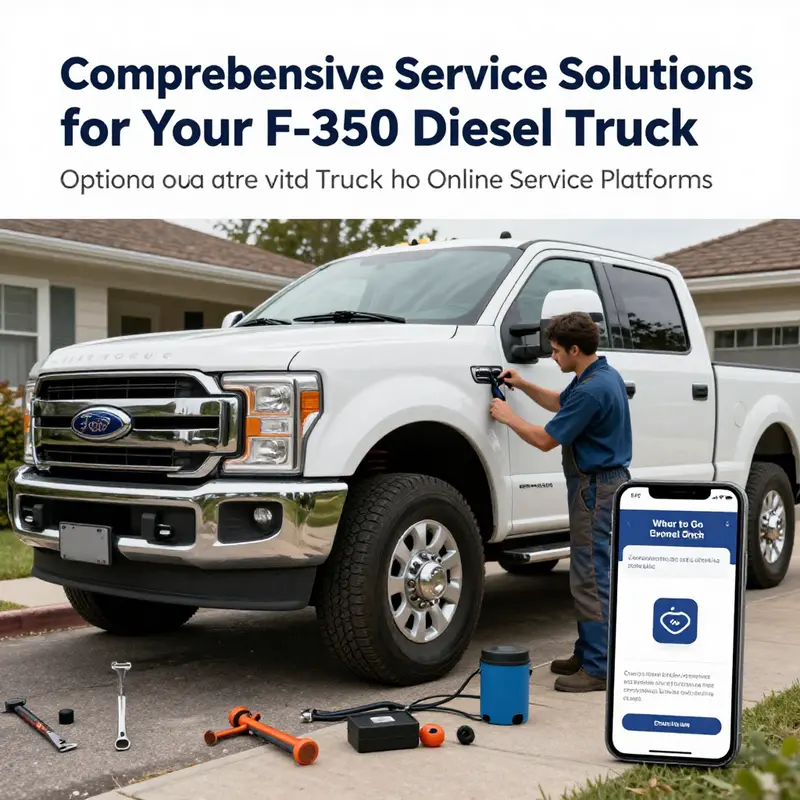
Finally, for those who value convenience, online service platforms can place skilled mechanics at your door for straightforward tasks. While this option is excellent for regular maintenance, it is important to verify that the provider can handle diesel-specific diagnostics and heavy-duty service requirements. If a problem arises that demands deeper diagnostics or heavy lifting, a dealer-based or specialized shop will typically be the safer route. For immediate guidance during a roadside emergency or a diagnostic dead-end, you can reach the manufacturer’s support line. Their guidance can help you locate qualified service providers or arrange roadside assistance when needed.
In sum, the best practice for a heavy-duty diesel pickup is to prioritize the authorized service network for routine care and warranty protection, while recognizing the value independent specialists bring for certain modifications or high-skill tasks. The right choice depends on your vehicle’s age, mileage, duty cycle, and the reliability you require. Regardless of the path, a transparent process, clear communication about what needs to be done, and a well-documented service history will keep your truck performing at the levels your work demands. For those who want a broader context on how maintenance strategies are evolving in the trucking world, the same themes—predictability, accountability, and professional capability—apply across the spectrum of service options.
If you need a quick anchor to official service resources, the manufacturer’s service portal is the primary waypoint for locating authorized centers, scheduling, and accessing warranty guidance. The experience of booking and visiting an authorized center is designed to be straightforward and aligned with factory standards, ensuring your heavy-duty diesel pickup remains a dependable tool for work and travel alike. Official guidance and scheduling details are typically available through the service portal, with location-based search tools to help you find the right shop quickly, view available services, and arrange the appointment that fits your schedule. For complete information on how to access these services, visit the official service portal and start the process of locating the right center near you.
External resource: Official service portal for manufacturer-supported maintenance and dealer locations: https://www.ford.com/service/
Beyond the Dealership: Securing Expert Heavy-Duty Care for Your F-350 Diesel
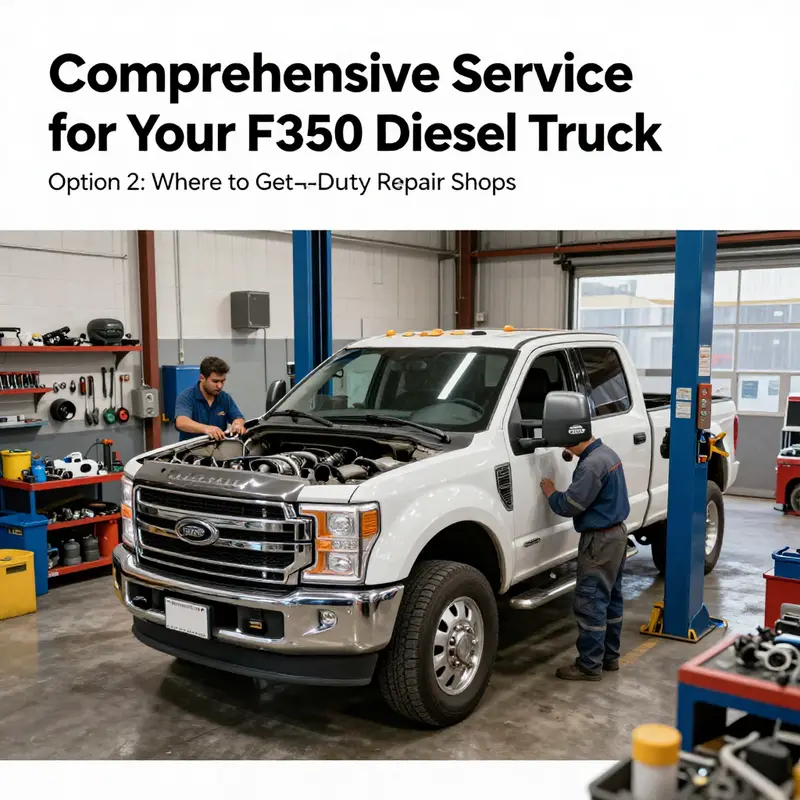
When a heavy-duty diesel pickup starts showing fatigue or reaches the point where routine maintenance becomes a strategic priority, choosing where to service it becomes more than a quick errand. This isn’t a job for a generic panel shop or a standard neighborhood shop alone. The vehicle’s weight, workload, and the demanding climate of real-world use require service facilities that understand diesel powertrains, heavy-duty drivetrains, and the realities of long hauls, harsh terrains, and heavy payloads. Specialized heavy-duty repair shops step into this niche with a blend of diagnostic sophistication, robust shop infrastructure, and a readiness to tackle the complex issues that can quietly erode performance if left unaddressed. They approach service as a process rather than a one-off fix, recognizing that a diesel-equipped pickup used in work and fleet contexts operates under different stressors than a typical daily driver. What this means in practice is a shop that can perform thorough diagnostics, execute precision maintenance, and manage complex repairs without compromising safety or reliability.
Diesel systems demand more than code-reading and quick finger-pointing. A truly capable shop treats the powerplant and its related systems—fuel delivery, air intake, turbocharging, exhaust aftertreatment, cooling, and the accompanying heavy-duty transmissions and suspensions—with equal seriousness. Diagnostics go beyond reading fault codes. Technicians interpret timing, fuel pressures, sensor data, and wear patterns that only show up under load. They have lift equipment capable of safely supporting a vehicle of substantial curb weight, and they possess advanced scan tools that speak the same language as the factory software and service bulletins. The right shop also maintains a parts strategy that minimizes downtime. Whether replacing a wear-prone component or performing a more involved repair, having access to high-quality parts—whether OEM-grade or approved equivalents—reduces the chance of repeat visits and unexpected failures on the road.
Certification matters. In the world of heavy-duty diesel service, certification signals more than a badge. Look for facilities that carry recognized credentials from the vehicle manufacturer or from reputable national bodies focused on medium- and heavy-duty trucks. ASE credentials indicate baseline competence, but the most important criterion is ongoing training in diesel-specific systems and evolving emission-control technologies. Certification also correlates with a shop’s investment in the right equipment and processes. A facility that can demonstrate recent training, access to the correct software interfaces, and a documented maintenance protocol is more likely to protect your investment over time. Technicians who stay current on common failure modes—such as issues around fuel systems, exhaust aftertreatment components, and drivetrain wear—are better prepared to anticipate problems before they escalate. The goal is not only to fix what’s broken but to prevent disruptions that could derail a job, a schedule, or a fleet’s uptime.
Location plays a practical as well as strategic role. Proximity to logistics hubs, construction corridors, or fleet maintenance centers matters for response times, warranty issues, and the simple math of minimizing downtime. Shops that regularly service heavy-duty fleets tend to be embedded in regions where demand for reliable diesel service remains high. They understand the duty cycles your truck endures, the common wear patterns that come with heavy payloads, and the kinds of service intervals that keep a vehicle on the road rather than in the shop. If your operation depends on predictable uptime, a shop with a structured preventive maintenance program and a clear plan for scheduling, parts availability, and communication can be a decisive advantage. They’re not just repairing vehicles; they’re managing a piece of your operation’s reliability and efficiency.
Within the landscape of specialized shops, two broad paths emerge. National chains with dedicated heavy-duty departments bring scale to the table, standardized processes, and access to updated software and diagnostic resources across multiple locations. They can handle a range of work—from routine services to complex repairs—often with a more uniform warranty framework and consistent parts supply. Regional independent shops, by contrast, can offer deep technical specialization built on years of hands-on experience with diesel engines, turbochargers, and exhaust aftertreatment systems. They frequently employ technicians with manufacturer-level training and emphasize the use of high-quality fluids and OEM-grade parts when feasible. The best outcomes often come from a hybrid approach: a facility that combines rigorous certification standards with the practical know-how that comes from frequent, real-world diesel service.
When you’re selecting a repair partner, the questions you ask are as important as the work you request. Begin with credentials and capabilities. What certifications do the technicians hold? Does the shop have the equipment to perform heavy-duty oil changes, transmission service, and diagnostics on a diesel power plant and its complex exhaust system? Ask about the parts strategy—do they stock OEM-grade parts or approved equivalents, and how do they handle backorders? Inquire about their diagnostic capabilities, including whether they can interface with the specific software and data streams necessary for your truck’s systems. It’s also wise to probe into their experience with the types of failures you’ve encountered or anticipate, such as issues with fuel delivery, turbo components, or exhaust aftertreatment sensors, and whether they offer a warranty on both parts and labor.
Operational compatibility is another critical piece. If you operate a fleet or rely on multiple vehicles, assess how a shop can fit into your maintenance calendar. Can they align with your preventive maintenance schedules and provide structured service reports? Do they offer quick-turnaround options for urgent repairs without sacrificing quality? For fleets, the ability to integrate forecasting, service history, and recommended maintenance plans into your operation is a real value-add. It’s not enough to fix the problem; you want a partner who can help you prevent it from recurring and who communicates clearly about what’s needed and why.
To ground your exploration in a broader context, consider how fleets in various sectors are approaching maintenance trends. Private fleets, in particular, are increasingly seeking shops that can deliver consistent maintenance programs, transparent pricing, and reliable turnaround times. This focus on reliability feeds into every decision you make about where to service a diesel pickup. The more a shop can demonstrate a track record of dependable service for fleets—whether on-site maintenance, scheduling efficiency, or the ability to source parts quickly—the more confident you can be in their capacity to support your vehicle’s lifecycle. For broader reading on these fleet maintenance trends, you can explore the resource titled Private fleets trends in trucking maintenance.
Finding a service partner is not a one-and-done decision. It’s an ongoing relationship that grows with your knowledge of the vehicle and your experience with the shop. Take notes after each visit: what issues were identified, how clearly was the scope of work described, was the estimate transparent, and did the work meet the promised timelines? Keep a record of the parts used, the fluids specified, and the maintenance intervals recommended. This documentation becomes a valuable reference for future service and for evaluating the shop’s consistency over time. And if you ever need guidance on locating authorized service networks or certified providers, consider reaching out to the official dealer network as a starting point for direction and legitimacy. The dealer locator offers a structured way to identify facilities that are equipped to handle heavy-duty diesel service needs in your area, aligning with safety and warranty considerations while ensuring access to the latest service bulletins and updates.
For direct access to an official dealer locator, see the official dealer locator. official dealer locator
Fleet Maintenance Providers: Keeping Your F-350 Diesel Ready for the Long Haul
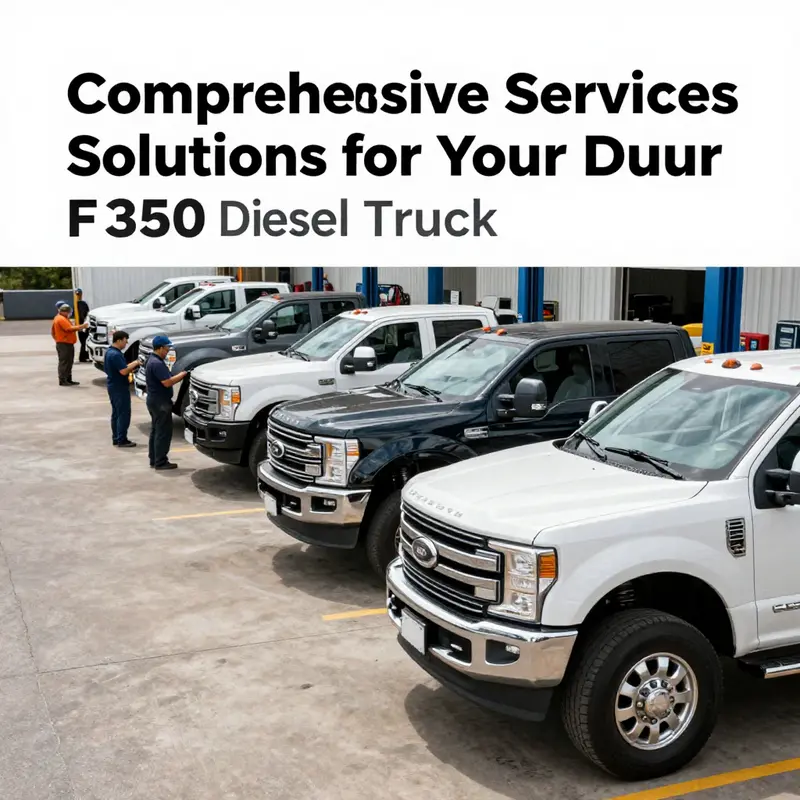
When your F-350 diesel is more than a weekend toy and sits at the heart of daily operations, the question of where to get service becomes a strategic decision. Fleet maintenance providers bridge the gap between ad hoc repairs and predictable, uptime-focused routines for heavy-duty pickups. They align with the realities of a fleet: drivers, routes, and schedules that must stay in motion. This chapter outlines the value these networks offer—scheduled maintenance, timely diagnostics, and reliable parts supply at scale—and how to choose a provider who can keep a truck running through long miles and tough terrain. The aim is to prevent downtime, extend component life, and preserve resale value through disciplined, fleet-wide practices. The journey begins with understanding what these providers offer and how their capabilities match diesel-powered operations.
A core strength of fleet networks is proactive care based on manufacturer intervals and operation realities, translating service into predictable costs and downtime. Technicians specialize in diesel powertrains, heavy transmissions, fuel systems, and emissions components, using diagnostic tools calibrated for big drivetrain platforms. Instead of a single shop, fleet data aggregation flags recurring patterns and coordinates parts to avoid backorders and delays, reducing idle time. For the F-350, this helps address turbocharger reliability, high-pressure fuel systems, and turbo seals before they become costly failures.
Routine service in a fleet includes oil and filter changes, coolant checks, brake inspections, and basic fault checks, establishing a baseline to detect drift in fuel economy, exhaust temperatures, and idle stability. Emissions compliance matters too, with DEF, DPF, and EGR health forming common focal areas. Continuous monitoring through telematics and service history enables proactive scheduling so a truck isn’t sidelined by a pending issue.
Fleet maintenance also balances centralized coordination with local service. Nationwide or regional providers deliver consistent standards while local shops handle on-site or mobile service. For drivers, this means a simple cadence and clear communication; for managers, visibility into service history, parts, and warranty status. This approach reduces drift between vehicles and supports budgeting and compliance.
Cost structures typically convert unpredictable repairs into transparent, budgetable expenses with a clear return on investment through reduced downtime and longer component life. For the F-350, contracted providers ensure proper torque specs, calibrations, and genuine parts where required, with warranty implications in mind.
When evaluating local providers, seek diesel-specific training, access to diagnostic tools, and a proven track record with high-mileage fleets. Clarify on-site versus off-site work, parts availability, and scheduling expectations. A well-chosen partner communicates what is needed, why it matters, and how history informs future care. The result is a truck that stays on the road longer, with fewer surprises and better uptime.
For broader context, consider platforms that connect fleets with vetted diesel technicians and shops, and consult industry trends on maintenance strategy as fleets grow. The aim remains consistent: embed reliability into operations and maximize asset utilization.
For readers seeking further context on how repair networks operate, official service networks offer a reference point for standards and support. The Ford service network, for example, provides guidance on authorized centers and recommended practices. In the end, the right fleet maintenance provider balances reliability, accessibility, and cost to keep the F-350 diesel ready for the long haul.
null
null
null

null
Final thoughts
In conclusion, maintaining your F-350 diesel truck is crucial for enhancing its durability and ensuring top performance, especially for businesses involved in manufacturing, retail, and construction. By understanding the various service options available—ranging from Ford dealerships with factory-trained technicians to specialized heavy-duty repair shops, fleet maintenance providers, convenient online service platforms, and responsive customer support—you can make informed decisions that meet the specific needs of your operation. Prioritizing expert care for your vehicle will not only ensure it runs efficiently but also protect your investment for years to come.