
The effective transport of valuable goods requires specialized logistics solutions, particularly for businesses engaged in manufacturing, retail, and construction. Armored truck services provide that security but understanding their costs is critical for effective budgeting. In this guide, we explore the various factors influencing how much armored truck services cost, regional pricing variations, market demand impacts, the role of suppliers and manufacturers, and compliance standards. Each chapter will empower businesses to navigate their shipping needs more strategically, ensuring that safety and efficiency are never compromised.
Pricing the Shield: How Vehicle Performance, Market Dynamics, and Global Manufacturing Shape Armored Truck Service Costs
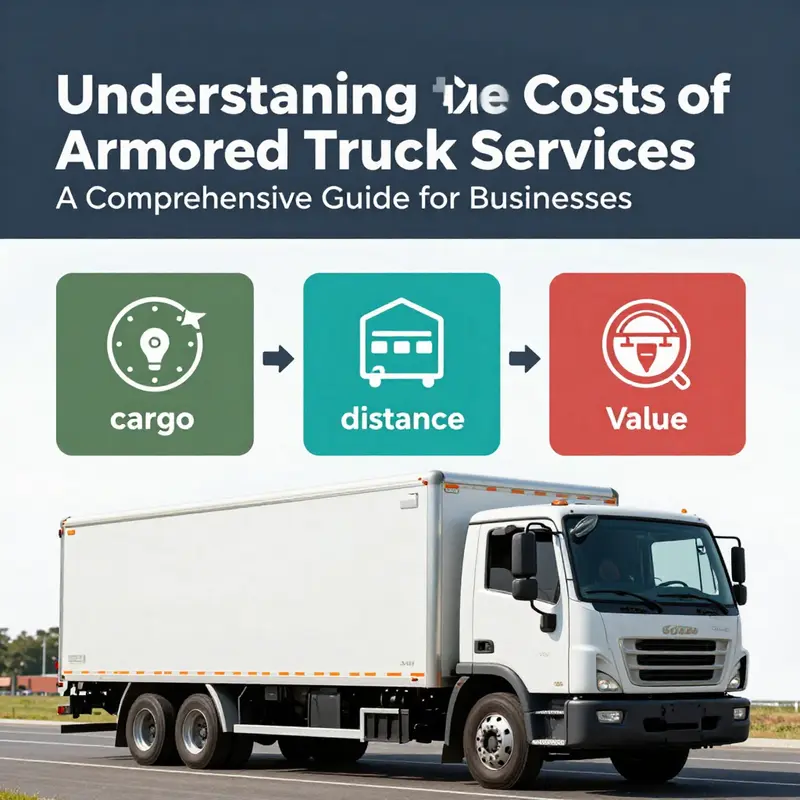
Pricing armored truck services is not a single line item. It is a layered calculation that blends the physics of security with the economics of logistics, risk, and supply chain complexity. For managers and security coordinators, understanding what sits behind the per-transaction price helps translate the sticker price into predictable budgeting and smarter procurement. The starting point is a basic frame: costs typically vary with the brand tier, the value of the shipment, the weight and volume of the cargo, the distance traveled, and the local and regional realities of the service geography. A rough band often cited in industry circles starts at a modest level for lower-risk, smaller shipments and climbs with the risk and logistics burden. Yet the real story lies in the undercurrents that drive those numbers up or down from the moment a contract is contemplated to the moment the convoy returns to base. In this sense, the total cost of armored transport is a function of performance, reliability, long-term value, and the quality of the after-sales ecosystem that surrounds the vehicle fleet and the service team.
Vehicle performance sits at the top of the cost spectrum for a reason. Armored vehicles are not generic trucks; they are precision platforms engineered to resist ballistic threats, theft attempts, and environmental hazards. The level of protection, the armor matrix, glazing technology, run-flat systems, fire suppression, and anti-ram features all contribute to a higher purchase and maintenance baseline. When operators demand higher performance—such as enhanced protection against increasingly sophisticated threats, or the integration of advanced routing and communications intelligence—the upfront cost increases, and so does the premium placed on ongoing upkeep. This is not simply a one-time price; it translates into higher depreciation, more specialized maintenance, and specialized parts supply chains that affect both availability and price stability over the vehicle’s lifecycle. The same logic applies to vehicle electronics, where secure communications, encrypted data channels, GPS integrity, and tamper-evident interfaces demand robust, sometimes bespoke, hardware and software support. In practice, customers may see a higher per-transaction cost when the mission profile requires these technological layers to be active across long routes or in high-threat environments, where downtime is especially costly.
Reliability is the quiet workhorse of cost management. A fleet built around dependable hardware and consistent performance reduces the hidden costs of mission disruption. Downtime is not merely lost minutes; it can interrupt schedules, trigger liability concerns, and produce cascading delays for downstream shipments. While more reliable vehicles may carry a higher upfront price, they frequently yield lower long-term maintenance costs and fewer expensive emergency repairs. Reliability also influences insurance pricing, which is a significant line item in total cost calculations. Insurers weigh the predictability of performance, track record of incident-free operations, and the availability of real-time monitoring when underwriting armored transport. In turn, these factors can push the price point up or down, depending on the risk appetite of the buyer and the risk tolerance of the insurer. The net effect is that reliability compounds value: a fleet with fewer breakdowns often translates into tighter schedules, more predictable cash flows, and a reduced need for contingency reserves.
Cost-effectiveness, as a frame, demands that buyers evaluate initial costs against the long arc of operations. A lower price tag on the front end might look attractive, but it can come with heavier maintenance costs, shorter service intervals, or limited access to replacement parts. Conversely, a higher upfront investment in a more capable, well-supported platform can deliver lower total cost of ownership over the contract’s term. This calculus benefits from transparent maintenance records, clear service level agreements, and predictable pricing for consumables and spare parts. It also hinges on the design of the logistics network—the ability to field maintenance teams quickly, obtain spare parts without long lead times, and minimize vehicle downtime during routine servicing. When buyers favor providers who bundle maintenance and security services into integrated packages, they often secure more favorable long-run cost trajectories. The logic here is simple: predictable service costs, fewer surprise repairs, and steadier uptime create a stronger case for a higher quoted rate that still yields lower overall expenditure over a multi-year horizon.
After-sales support is another driver that quietly elevates or moderates the price. Comprehensive after-sales programs—routine preventive maintenance, rapid-response field service, training for client personnel, and real-time diagnostic support—are expensive to sustain but significantly reduce operational frictions and downtime. In markets where technical expertise is scarce, these programs become especially valuable. The cost-to-value ratio improves when the provider’s after-sales network covers critical routes and peak periods, aligning with the client’s need for continuous operation. Poor or fragmented after-sales coverage, by contrast, can inflate the apparent price through frequent unscheduled maintenance and longer repair cycles. Buyers should therefore scrutinize the scope and response times of after-sales commitments. A well-structured program acts as a shield against escalating downtime costs and helps stabilize the financial planning around armored transport services.
Beyond the microeconomics of individual contracts, macro dynamics shape the price environment in which armored transport sits. China remains a central hub for the manufacturing backbone of security vehicles and related tooling, with Guangdong Province standing out as a highly concentrated production ecosystem. In these hubs, vertically integrated factories streamline the value chain—from design through injection molding to final assembly and packaging. This integrated approach supports rapid prototyping, flexible MOQs, and swift turnaround times, characteristics that can translate into more competitive baseline pricing for mid-sized distributors and e-commerce sellers. The same regional specialization carries with it a broader mix of capabilities: other provinces emphasize different competencies, including military-grade applications and more stringent compliance regimes. The geographic distribution of capabilities such as ballistic testing facilities and compliance certification networks injects a layer of labor and regulatory cost into pricing, particularly for buyers seeking higher certification levels or customized configurations. In practice, buyers benefit from a market where customization does not always come with a prohibitive cost, provided they are willing to work within the supply ecosystem that has matured around these regional strengths.
Customization and safety standards are the hinge where price sensitivity meets risk management. Higher levels of armor, bespoke interior configurations, enhanced ballistic protection, and specialized locking and tracking technologies naturally raise price points. Compliance with international safety certifications adds another dimension of cost because it requires testing, documentation, and potential re-engineering to meet standards that may vary by jurisdiction. The price-marking tension here is deliberate: customers are trading a portion of the initial outlay for greater resilience, broader insurance compatibility, and access to a broader service network that can operate across borders with fewer friction points. In this sense, a premium for safety becomes a strategic investment rather than a mere line item. For organizations with cross-border operations or complex security needs, these criteria quickly become the dominant factor in the total cost of ownership, not just the nominal per-transaction price.
The market environment, including demand for longer-distance transport, adds another layer to the pricing equation. As routes extend, the security ecosystem expands, and the logistical choreography tightens, dispatch costs, standby time, fuel, and incident risk all climb. The initial overview of armored transport pricing—where per-transaction costs rise with distance and cargo value—fits within this broader frame. Long-distance operations demand more sophisticated scheduling, greater redundancy, and more robust contingency planning. Each of these elements pushes the price envelope higher but also increases the predictability of outcomes for the client, reducing the risk of costly disruptions. On the flip side, shorter routes or smaller consignments can leverage tighter scheduling windows and leaner support networks, sometimes producing a more favorable price-to-service ratio. The art for buyers is to align contract terms with actual risk exposure and operational needs, not merely to chase the lowest per-trip price.
Industry intelligence reinforces the point that the landscape is both data-driven and tempo-sensitive. The most effective buyers lean on market analyses and supplier evaluations to calibrate price expectations, understand regional pricing dynamics, and map out the capabilities that truly matter for their security and logistics profile. A reliable market reference and supplier assessment framework helps decode the variability in quotes and translate it into actionable procurement strategies. For readers seeking a broader market perspective, industry reports provide a structured lens on regional price dynamics, supply chain constraints, and competitive positioning, allowing organizations to benchmark their plans against real-time trends. To deepen this understanding, the field offers a consolidated view through the Global Armored Vehicle Services Market report, which aggregates market intelligence across regions and configurations to illuminate current pricing rhythms and future trajectories.
For readers who want to pursue practical action within their organizations, the takeaway is neither simplicity nor mystique. It is a disciplined, lifecycle-focused approach to evaluating armored transport options. Begin by clarifying mission profiles: threat level, route structure, cargo characteristics, and required response times. Then map out the lifecycle costs, including acquisition, maintenance, downtime penalties, insurance, and potential tax or depreciation incentives. Use this framework to compare offers that may look similar on paper but diverge in the reliability of service, the reach of the maintenance network, or the sophistication of after-sales support. Finally, recognize that the smart choice blends a robust protection layer with predictable, survivable operations, anchored by a supplier ecosystem that can sustain preventive care and rapid response when the road presents unforeseen challenges. In this sense, the true price of armored transport is the price of assured continuity—an asset that keeps risk at bay while enabling the mission, the balance sheet, and the broader security posture of the organization.
Internal link for further context on market dynamics can be found here: key economic trends impacting the trucking industry.
External resource for broader market context: a detailed industry analysis is available at Global Armored Vehicle Services Market Report 2024-2030.
Price on the Move: How Local Economies Shape Armored Truck Service Costs
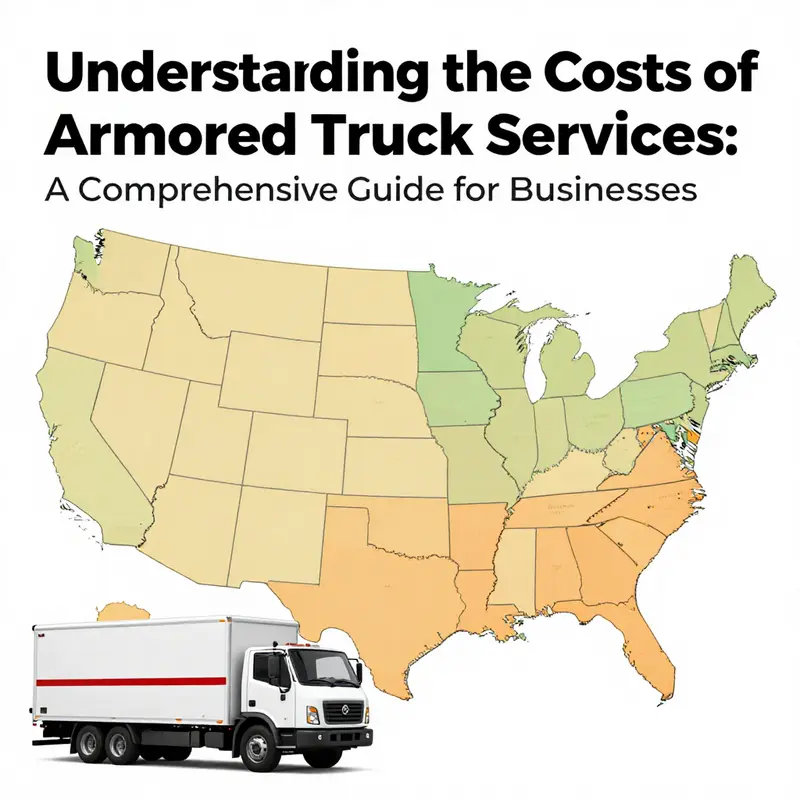
Pricing armored truck services is rarely a single number quoted in isolation. It is a moving target influenced by the local economy, risk profile, and the specifics of what is being transported. When readers ask how much armored truck service costs, they often expect a neat, universal price. Instead, they encounter a spectrum that stretches from a modest baseline to substantial premiums added for security, compliance, and logistics. The practical takeaway is that regional factors matter as much as cargo value or weight, and recognizing this can prevent budgeting surprises for time-sensitive or high-value consignments.
At its core, local labor costs shape much of the price. Wages, benefits, overtime, and the availability of skilled guards influence the base charge for a secure team, and regions with higher living costs push prices higher. Beyond labor, fuel, maintenance, and insurance vary by geography, reflecting climate, road quality, and local risk profiles. Security risk drives pricing through added personnel, escorts, and technology, with higher risk areas commanding steeper surcharges. Regulatory requirements add overhead: licensing, inspections, and reporting duties that become part of per-shipment costs. Distance remains a factor but its impact is amplified or dampened by these regional elements, so the same distance can cost more or less depending on where it occurs. Cargo specifics – weight and value – also steer pricing: heavier or higher-value shipments justify stronger measures and, thus, higher charges. A transparent quote should break out labor, distance, risk, regulatory, and cargo components to help buyers compare regions and negotiate effectively.
Pricing the Route: Why Armored Truck Service Costs Vary with Demand, Distance, and Security
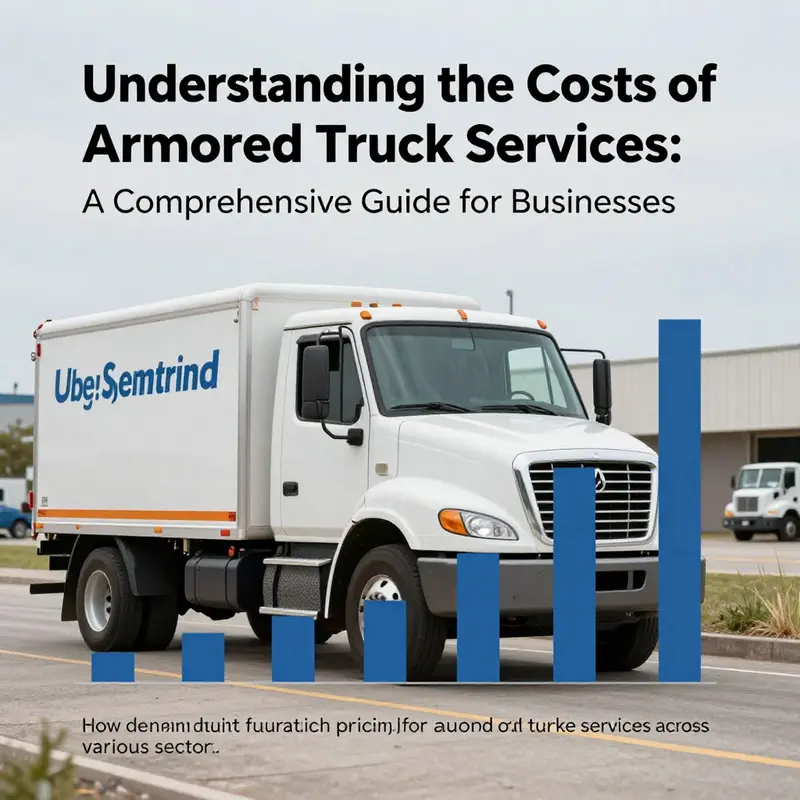
Armored truck services sit at the crossroads of security and everyday commerce. In the United States, where many businesses still move significant volumes of currency and high-value goods, the need for secure transportation remains constant. The market reflects this reality: a valuation of about $9.21 billion in 2025 with a projected compound annual growth rate of 15.19%. That growth isn’t a straight line; it tracks the ongoing tension between the need to minimize risk and the cost of doing so. Shaping this trajectory are decisions about how often shipments move, how far they travel, and how securely they must be handled.
Pricing, in short, is not a single sticker price slapped on every pickup. It’s a layered calculation built from five core factors, each amplifying or moderating the others. Location matters because regional market conditions feed into labor costs, insurance premiums, and the availability of qualified drivers and armored units. Distance traveled matters for security planning, route optimization, and the possibility of multiple handoffs along the way. Frequency of service changes the economics by distributing fixed costs across more stops or by elevating the per-stop price when shipments are sporadic. The value of the goods transported is a blunt trigger for risk management: higher-value shipments prompt more rigorous verification, stronger containment measures, and better-equipped vehicles. Finally, the level of security required—armed guards, enhanced surveillance, or specialized vehicles—directly stamps the price tag with a premium.
Taken together, these elements translate into widely varying quotes. Routine daily pickups between retail locations, for example, commonly fall in a range of about $50 to $150 per stop. This band reflects the balance of predictable routes, standard security, and manageable logistical overhead. In contrast, more complex or high-risk routes—think multi-stop itineraries that cross state lines or shipments carrying particularly sensitive items—can push costs into the hundreds of dollars per trip. And like many other business services, after-hours or overtime work commands additional fees, reflecting the premium on securing critical windows when demand and risk are highest.
The drivers behind those numbers are practical as well as strategic. Longer distances heighten the need for careful planning, fatigue management for crews, and contingency options if routes encounter delays or disruptions. When scale increases, so do the infrastructure requirements: more sophisticated routing software, more resilient communications, and redundancies in security staffing. In environments where cash flow remains a lifeblood of storefronts and venues, the choice to tighten security is not merely a compliance exercise; it is a competitive differentiator that can prevent losses and protect a brand’s reputation. This is not simply about keeping money safe; it is about sustaining trust with customers, banks, and partners who rely on timely, safeguarded transit.
From a budgeting perspective, the most effective way to forecast armored transport costs is to treat quotes as bespoke composites rather than fixed numbers. Reputable providers typically offer transparent models that reveal how each variable contributes to the bottom line. They can show how adjusting a single element—reducing the number of stops, consolidating pickups, or aligning schedules to daytime hours—can noticeably alter the price without compromising security. Businesses that successfully manage these levers often discover that repeating, predictable shipments yield more favorable terms than ad hoc, off-cycle pickups. The value of a stable cadence becomes clear when you weigh the cost of delay, inventory write-downs, or spoilage against a modest adjustment in frequency or routing.
The context of broader market forces also informs pricing decisions. The market’s momentum—driven by persistent cash-handling needs in retail and hospitality, as well as ongoing security concerns in financial workflows—feeds into how carriers price risk and capacity. Those macro forces are not merely numbers; they influence the security posture insurers require and the level of protection customers expect. In discussions about the evolution of the trucking and logistics landscape, it’s useful to consider how macroeconomic trends shape trucking more broadly. See the linked piece on key economic trends impacting the trucking industry for a deeper lens into these pressures and how they ripple through specialized services like secure transport: Key economic trends impacting the trucking industry.
For planners and financial officers, the takeaway is that armored transport pricing should be modeled with sensitivity to both security requirements and operational realities. A quote that looks too good to be true often masks hidden costs, whether in the form of after-hours surcharges, minimum daily commitments, or fuel and toll surcharges tied to longer routes. One practical approach is to quantify the trade-offs between risk mitigation and cost containment. If a business can demonstrate consistent shipment volumes, stricter loading procedures, and precise schedules, providers are usually willing to extend more favorable terms, recognizing the predictability they gain in return. Conversely, irregular patterns tend to drive higher per-stop charges as providers allocate more resources to manage uncertainty and risk.
The structure of the broader supply chain also colors armored transport pricing. In markets where demand remains high due to cash-heavy retail or high-value items moving through distribution networks, carriers must invest in training, compliance, and incident response capabilities. The economic rationale is straightforward: higher risk calls for greater protection, and that protection has a price. At the same time, advances in routing science, communications, and risk assessment tools help delivery teams optimize outcomes. The result is a dynamic that rewards predictability and scale while penalizing sporadic, high-risk operations. For decision-makers, this means that a well-designed contract can align incentives—reducing overall costs by increasing reliability without compromising security.
In terms of practical planning, it is useful to think through a concrete scenario to illuminate how these pricing drivers play out. Consider a regional retailer with a stable pattern of daily cash pickups at multiple stores and a quarterly cycle for high-value inventory transfers to a central vault. If the average stop costs around the mid-point of the routine band, and the route spans short to moderate distances with minimal overtime, the monthly transportation bill might sit in a predictable range. If, however, the same retailer adds a handful of long-haul pickups, or introduces a high-value transfer that requires additional protective equipment and verification steps, the per-trip cost will climb, potentially shifting the annual budgeting significantly. In this sense, the pricing landscape is not merely about price tags; it is about risk management, operational discipline, and the strategic alignment between security posture and business objectives.
As the trucking sector continues to evolve under macro pressures, the cost of secure transport is bound to reflect those shifts. The link between market demand and price is tight: higher volumes, greater security demands, and longer routes all push costs upward, while scale and predictability can yield savings. If you are evaluating service options, the emphasis should be on clarity of scope, transparency of pricing, and a willingness to tailor service levels to your real risk profile. A well-structured engagement can help preserve cash flow while maintaining the integrity of the cash chain and the security of valuable assets in transit. For readers seeking a benchmark to compare pricing structures in practice, a credible external resource on current pricing benchmarks can be consulted here: https://www.loomis.com/services/.
Internal linking note: In addition to the direct pricing facts, readers may want to explore broader industry dynamics that influence how armored transport services price their offerings. See the analysis linked above for a broader view of how macroeconomic trends shape the trucking and security space and how that translates into the cost of secure transport. This context helps explain regional price variation and the incentives carriers use to negotiate terms with steady, volume-driven customers. The interplay between demand, distance, and security remains the core driver of cost, and understanding it can empower better budgeting, smarter scheduling, and more resilient supply chains across the board.
From Forge to Fleet: How Suppliers and Manufacturers Steer Armored Truck Service Costs
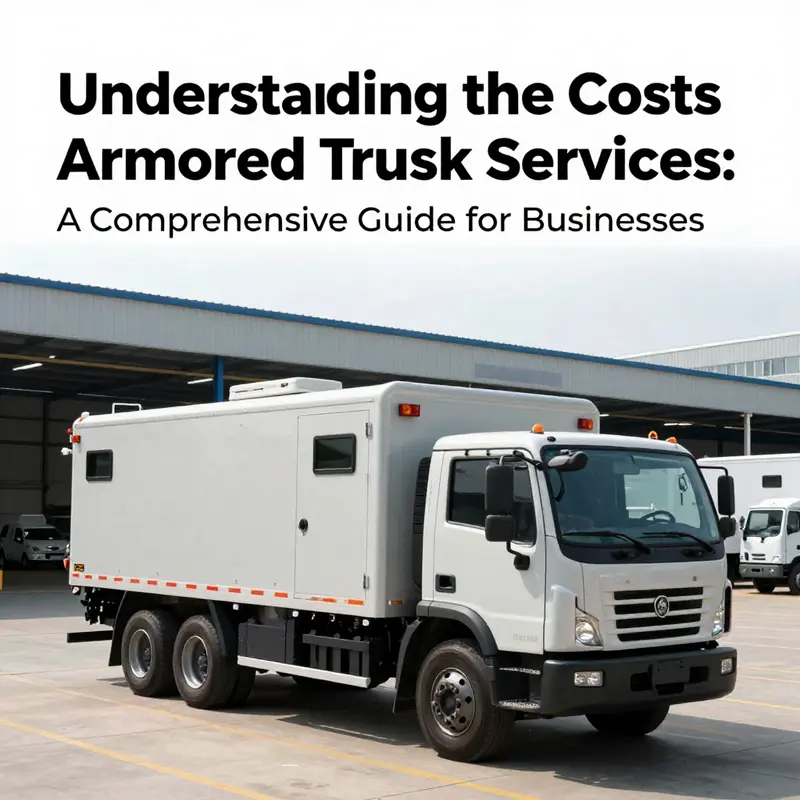
Prices for armored truck service often appear as simple line items per transaction, but the true cost story runs far deeper. The price a buyer pays is shaped long before a driver hits the road, in the DNA of the supplier and the capabilities of the manufacturer behind the vehicle that performs the work. To understand what drives a service bill, you have to trace the trail from design, through compliance, to maintenance. This is not just about the sticker price; it is a question of total cost of ownership, reliability, and the risk managers’ appetite for security theater versus operational certainty. In this light, the dominant role of supplier ecosystems, especially in large manufacturing nations, becomes a practical lever on cost, quality, and delivery speed.
The global market for armored vehicles is heavily influenced by where and how these machines are built. China remains a central node in the wholesale and sourcing network. Its manufacturing infrastructure, skilled labor pool, and export-oriented policies make it a preferred origin for many buyers seeking bulk capability and rapid scale. Within China, the coastal and southern hubs are the most consequential. Guangdong Province, with cities such as Shantou and Guangzhou, concentrates a large share of suppliers that specialize in consumer-grade armored platforms and related replicas. These facilities often operate as vertically integrated factories that manage design, injection molding, assembly, and packaging under one roof. The practical upshot is not merely lower per-unit costs but accelerated prototyping and more forgiving minimum order quantities. For mid-sized distributors and agile e-commerce outfits, that translates into a tighter feedback loop between design intent and real-world deployment. It also means shorter lead times, which can soften carrying costs when a client’s deployment window tightens.
Yet the landscape is not monolithic. Other provinces have carved out reputations around higher-end, defense-oriented, or strictly compliant armored solutions. Regions like Shandong, Hubei, and Zhejiang host industrial clusters that emphasize stricter compliance standards, access to ballistic testing facilities, and a robust safety assurance framework. This softer regulatory environment—coupled with rigorous testing pipelines—tends to elevate upfront procurement costs. The logic is straightforward: more stringent performance guarantees, validated materials, and documented process controls demand investment. In practice, buyers may encounter higher initial quotes, but the premium buys longer service intervals, fewer downtime incidents, and greater predictability when it matters most. For organizations bent on risk mitigation, those costs are often justified by the reduction in unplanned service calls and the steadier cash flow that follows.
The contribution of a manufacturer matters as much as the raw price tag attached to a vehicle. A defense-aligned firm operating at the nexus of security innovation and civilian use can push outcomes toward greater reliability and compliance. When a supplier’s quality systems are robust—incorporating traceability, standardized testing, and disciplined change control—the vehicles deployed for transport and security tasks are less prone to faults. Fewer faults mean fewer service interruptions, and a direct line can be drawn between higher upfront standards and lower long-term costs. In other words, the initial purchase price may be higher, but the lifecycle cost of ownership can be markedly lower. That trade-off is central to how pricing is negotiated for armored transport services. Insurance premiums, maintenance cycles, and downtime exposure all react to the underlying quality and resilience embedded by the manufacturer.
Economic dynamics also play a pivotal role. Tariff policies can ripple through procurement costs, especially when buyers rely on imported components or entire platform platforms. In such cases, the pass-through effect can lift upfront costs in ways that are partially mitigated by suppliers with efficient, diversified supply chains and strong certifications. Certified suppliers, with established international standards and transparent logistics, can dampen volatility by offering steadier lead times and clearer repair pathways. The balance between cost and risk shifts toward the supplier who can guarantee predictable delivery windows and traceable components, even when market volatility pushes base material prices higher.
Beyond the initial sale, the shift to an upgrade and retrofit market is reshaping the pricing equation. Industry forecasts point to a substantial expansion in the aftermarket space, with projections suggesting a global market size fit to reach tens of billions by the mid-2030s. What this means for service costs is twofold. First, modernized platforms allow more secure, efficient operations, reducing fuel burn, downtime, and the likelihood of reliability-driven incidents. Second, retrofits introduce an ongoing revenue stream for manufacturers and service providers, who can offer feature enhancements, armor upgrades, or sensor suites aligned with evolving threat landscapes. For buyers, this translates to a decision matrix where a modestly higher initial investment can secure lower maintenance costs over time and defer capital outlays for a full platform refresh.
But decisions about supplier and manufacturer cannot be decoupled from the practical realities of logistics and supply chain resilience. For instance, the efficiency of moving armored assets through major ports, distribution centers, and last-mile hubs can influence total service costs. A port expansion decision in a major logistics corridor may alter transit times, warehousing needs, and the frequency of urgent deployments. These externalities—driven by infrastructure evolution and trade flows—affect even the most carefully negotiated service contracts. A concrete illustration of this is how expanded port capacity can alter inventory strategies for protective equipment, security fittings, and related modular components. When a buyer understands these shifts, they can negotiate terms that reflect real-world access to components and the ability to stage readiness without excessive carrying costs. For readers following the broader trucking and logistics landscape, this is a reminder that supplier choices online are inseparable from the physical routes that escort every shipment.
While the economic calculus is intricate, buyers often prefer to anchor decisions in a clear framework. Start with the supplier’s capability map: what design and production controls do they publish? How transparent is their bill of materials and change history? Are ballistic testing results and safety certifications readily available for review? A supplier with rigorous design controls and traceable inputs reduces the risk of late-stage cost escalations that emerge from unplanned material substitutions or noncompliant components. The next anchor is deployment reliability. Does the manufacturer provide predictable maintenance intervals, authorized service centers, and a straightforward spare parts strategy? These factors directly affect how often a vehicle is out of service for repairs, which in turn drives the per-transaction price to the end customer.
Finally, buyers should consider lifecycle economics in tandem with procurement strategies. The upgrade pathway—whether to accessorize, modernize sensors, or reinforce armor platforms—offers a way to manage risk without collapsing the cost structure. As the aftermarket ecosystem matures, the ability to tailor an armored transport solution to mission-specific needs grows more accessible. In practice, this means a buyer can opt for a higher upfront investment in a platform built on robust standards, secure supply chains, and modular design, while hedging against rising maintenance costs with planned upgrades and a long-term service agreement. Such arrangements, by aligning incentives across the vehicle’s life cycle, often yield lower total costs than piecemeal purchases paired with reactive maintenance.
The implications for buyers extend beyond the price tag alone. When suppliers operate with tight feedback loops, clear certification regimes, and accessible documentation, the overall risk profile improves. This translates into smoother audits, more favorable insurance terms, and a heightened ability to meet regulatory and client expectations. The consequent reduction in risk exposure can be worth a meaningful premium on the upfront quote, particularly for organizations whose operations demand near-continuous availability and consistent performance under demanding conditions. The hard truth is that the cheapest quote may come with hidden costs in downtime, replacement parts, and compliance gaps, while a higher-quality supplier–manufacturer combination can deliver a steadier operational cadence and longer service intervals.
For readers seeking a snapshot of current market intelligence and supplier evaluations, industry reports remain a valuable compass. They distill real-time trends, supply chain dynamics, and regional pricing into actionable insights. And while the landscape continues to shift, the core takeaway stays consistent: the decision about who makes the vehicle and who operates the service defines the long-run cost envelope of armored transport. If you’re mapping out a procurement or renewal plan, anchoring your strategy in supplier reliability, compliance rigor, and a clear upgrade path will improve the odds that your armored truck service cost aligns with actual security needs and operational realities. For a deeper dive into the latest market data and supplier evaluations, see the Global Armored Vehicle Market Analysis 2026. In the meantime, you can also explore related industry perspectives on logistics and supply-chain resilience through focused analyses such as the Montreal port expansion piece, which highlights how port infrastructure shifts ripple through procurement and deployment cycles Montreal port expansion impact on supply chains.
In sum, the cost of armored truck service emerges not simply from the per-transaction price but from a complex interplay of supplier strength, manufacturing discipline, compliance rigor, and lifecycle planning. Choosing a reputable supplier with robust production and compliance systems can lead to lower total ownership costs, even when the initial investment is higher. The chapter that follows will continue to explore how these choices intersect with operational realities, helping readers translate market intelligence into procurement decisions that balance security, reliability, and value.
The Price of Protection: How Compliance Standards Drive Armored Truck Costs
Compliance standards are more than checklists; they shape the cost of armored truck services. Each rule a fleet must meet translates into costs for equipment, people, and processes. Vehicle certification, ongoing inspections, and safety requirements add capital and maintenance expenses. Higher compliance thresholds raise per-transaction pricing as providers seek to preserve margins while meeting regulatory obligations.
Driver licensing and personnel background checks are another major line item. A trained, credentialed workforce reduces risk, which insurers may reflect in terms. Yet the administrative burden of onboarding and recordkeeping adds to the cost per mile or per trip.
Secure handling procedures, tamper-evident seals, dual-control access, GPS/telematics, encrypted communications, and evidence handling all contribute to the price. Regular drills and testing feed into the cost base, creating a layer of protection that is built into transport tickets.
The protection level also affects maintenance: ballistic resistance and blast-resistant features require periodic testing and parts replacement. International operations add cross-border documentation, delays, and additional regulatory checks that raise labor costs and insurance exposure.
In the end, compliance acts as both a cost center and a strategic capability. Providers may offer tiered pricing: basic compliance as baseline, and higher standards for higher-risk routes that command a premium. Buyers should assess total cost of ownership, including certifications, training, maintenance, and cross-border obligations, not just the per-trip price.
Final thoughts
Understanding how much armored truck services cost involves recognizing various influencing factors such as logistics complexities, regional pricing differences, market demand, and compliance standards. By effectively analyzing these areas, businesses can take proactive measures in their supply chain management strategies. This knowledge not only supports financial planning but also enhances the overall efficiency and security of transporting high-value goods. Moving forward with this comprehensive understanding can equip businesses to make strategically sound logistics decisions.