
Starting a truck service can be an enticing opportunity for manufacturing, retail, and construction companies looking to enhance their logistics operations. However, the path can be fraught with legal complexities and potential pitfalls, particularly when considering unlicensed operations commonly referred to as ‘black truck services.’ This article explores a compliant framework for establishing a truck service that caters to the needs of manufacturing and distribution companies, retail and e-commerce businesses, and construction and heavy industries. It will cover the essential legal foundations, viable business models, actionable launch steps, investment considerations, and the significant risks associated with operating outside the legal boundaries. Each chapter delves into a critical aspect of starting your business, ensuring that you can navigate the landscape successfully while complying with regulations.
Navigating the Legal Roadmap: Turning the Black Truck Concept into a Legitimate, Tech-Enabled Delivery Venture
When people hear the term black truck service, they often imagine a quick, shadowy transaction—an operation built on speed rather than safety, legality, or accountability. But a thriving delivery or transport business does not have to ride on that precarious edge. The opportunity in modern logistics rests on compliance, transparency, and the smart use of technology to orchestrate the flow of goods and people. The legal framework is not a hurdle to be dodged; it is the foundation that makes growth possible, credible, and bankable. The moment you decide to transform a shadowy concept into a legitimate enterprise, you unlock access to trusted customers, partners, and lenders. You also gain the ability to scale with confidence, knowing you have the proper protections for your team and your clients. The journey toward legality begins with a clear mindset: this is a professional business, and every step should reinforce that professional identity, from how you structure your company to how you dispatch a pickup and monitor a delivery in real time.
Central to that mindset is recognizing what the law expects of a truck-based operation. In many regions, commercial vehicle activity is governed by a web of rules designed to ensure safety, insurance solvency, and fair competition. The first layer is the licensing framework. In the United States, that often means obtaining an MC Number from the Federal Motor Carrier Safety Administration (FMCSA) and a USDOT number, along with any state-level operating authority that may apply to your specific service. Other countries have comparable systems, whether it is a national regulator or a provincial authority. These identifiers are not mere bureaucratic labels; they are signals to customers and partners that your business has been vetted and can be held accountable if something goes wrong. The second layer is insurance—cargo coverage for goods you transport, liability insurance for bodily harm or property damage, and auto coverage for your vehicles when used in a commercial context. The third layer is vehicle and driver compliance: regular inspections, safe vehicle maintenance, and drivers who meet minimum qualifications and training requirements.
As you map out the path from a concept to a sustainable venture, you will naturally weigh different legitimate business models. On-demand delivery is a clear and growing niche. It relies on medium-sized trucks or vans to move goods quickly from warehouses to storefronts, or directly to customers’ homes. The advantage is that you can partner with local retailers, e-commerce platforms, or healthcare providers—any entity that values reliable last-mile execution. A freight brokerage model can complement this by serving as a hub that coordinates independent drivers and small fleets, matching shipments with carriers that fit capacity, schedule, and cost constraints. A corporate or event transport service, too, can provide predictable revenue if you offer shuttle or premium transfer services for conferences, trade shows, or company campuses. Each model can be built legally, but they demand disciplined operations, robust safety protocols, and a clear governance structure. The core value proposition remains the same: reliable, trackable delivery or transport that your customers can trust to arrive on time and intact.
With that understanding, you can begin translating the idea into a practical launch plan. Start with a business registration that establishes your entity—an LLC, corporation, or other structure that suits your liability tolerance and tax strategy. Then pursue the necessary licenses and permits. In the U.S., the FMCSA MC Number and USDOT Number are common prerequisites for interstate work, while state authorities handle intrastate operations and any special permits for freight or passenger services. Even if your earliest work is limited to local deliveries, you should plan for expansion by filing the appropriate registrations now. Insurance is the next cornerstone: you’ll need a combination of general liability, auto coverage for commercial use, and cargo insurance to protect the goods you move. The exact premiums will depend on your geography, your fleet, and the types of cargo you handle, but the overarching principle is simple—adequate protection beats uncertain exposure every time.
Technology then enters as the enabler, not a luxury. A modern, legally compliant operation benefits from a dispatch and tracking platform that coordinates routes, allocates loads, invoices customers, and provides real-time visibility to clients. You may choose off-the-shelf software or develop a tailored solution, but the goal is consistent communication and auditable processes. The right platform links to your insurance, your vehicle maintenance records, and your driver onboarding materials, creating a seamless thread from pickup to delivery. This is how a legitimate operation earns credibility with customers and lenders alike: every shipment has a documented history, every driver has a verified profile, and every mile is traceable. When you couple compliance with modern software, you begin to recast a basic service into a scalable, data-driven business that can win contracts with retailers, healthcare providers, or manufacturers.
People underwrite success in trucking as surely as licenses and software do. Hiring qualified drivers, training them in safety and customer service, and aligning them with a culture of accountability are non-negotiable steps. A compliant operation is only as strong as its people, and you should invest in them just as you invest in your fleet. This means background checks, ongoing safety training, clear policies on hours of service, fatigue management, and professional conduct. It also means thoughtful, fair compensation and opportunity for advancement so you can attract dependable team members. As you build out your leadership and operations staff, don’t overlook the importance of an in-house or contracted professional team: an accountant to manage cash flow and taxes, an attorney to navigate regulatory changes and contracts, and perhaps a business coach to refine your strategy as you scale. These are not costs to minimize but strategic partners who can accelerate growth while maintaining your legal and ethical footing.
A well-planned approach to legality also shapes your market entry strategy. You will assess demand with care, study the competitive landscape, and identify niches where a compliant, tech-enabled truck service can differentiate itself. In practice, this might mean prioritizing urban and suburban routes where last-mile delivery demand is high and service reliability is a critical differentiator. It could also involve pursuing specific cargo segments that require heightened care or regulatory compliance, such as medical supplies or high-value goods. Regardless of the niche, your plan should demonstrate how you will meet regulatory standards, protect customers’ property, and maintain safe, on-time service. A compelling business plan doubles as a financing tool, helping you attract lenders or equity investors who want to see that you have anticipated regulatory hurdles, built the right governance, and defined a path to profitability.
Beyond the paperwork, the real advantage of a legal, tech-enabled operation is resilience. You are no longer dependent on informal networks or ad hoc arrangements; you have a transparent pricing model, auditable operations, and enforceable contracts. You can participate in larger networks that require compliance credentials, from regional freight cooperatives to national delivery platforms. This openness invites partnerships, enables scale, and supports a broader vision: building a brand known for reliability and safety and attracting customers who demand the certainty that only a regulated provider can offer. The narrative your business presents to customers, lenders, and regulators is a story of responsible growth, with a clear line from licensing and insurance to dispatch efficiency and driver excellence.
For anyone seriously considering this path, a practical confidence-building step is to explore the broader ecosystem of people and teams that sustain trucking operations. A mindset that prioritizes human capital, compliance disciplines, and continuous learning pays dividends as you grow. For further thoughts on growing responsibly in trucking, you might look at the broader emphasis on investing in people within the industry, a topic that complements the legality story and helps you design a workforce strategy that lasts. Investing in people in trucking offers ideas on recruiting, training, and retention that align with a compliant, customer-first service.
As you close the loop on legality and begin executing, remember that this is not merely about ticking boxes. It is about constructing a durable business that can adapt to changing regulations, evolving technology, and shifting customer expectations. The right foundation—clear licenses, robust insurance, compliant vehicles, capable drivers, and a capable tech stack—transforms a risky, shadowy concept into a robust, scalable operation. Your chapter in the trucking narrative becomes not a cautionary tale but a blueprint for legitimate success. And while the legal path may require careful navigation, it ultimately leads to a business that can partner with major clients, withstand regulatory shifts, and attract the investment needed to grow. The result is a credible, sustainable service that delivers on its promises and earns the trust of communities and partners alike.
External resources for formal guidance keep you aligned with the latest rules and opportunities. For up-to-date regulatory guidance, consult the FMCSA’s official site at https://www.fmcsa.dot.gov.
From Compliance to Profit: Crafting a Legitimate Black-Owned Truck Service That Scales
A Black-owned truck service can seize a strong market opportunity without courting risk. The path is not about persuading yourself that loopholes exist; it is about building a durable, compliant enterprise that leverages technology, transparency, and community value. The pivot from a so-called black or informal operation to a legitimate business is less about altering a dream and more about aligning it with the rules that govern logistics, insurance, and safety. The reward is a foundation that can attract partners, customers, and investors who want consistent performance, not quick, precarious gains. In this shift, the core question becomes not whether you can move goods or people, but whether you can do so with accountability, efficiency, and trust. A well-defined business model makes that possible by turning intention into a roadmap that guides every decision, from vehicle selection to driver training to pricing strategy. The stronger your value proposition, the more durable your competitive edge will be.
At the heart of a legitimate model is a compelling value proposition. For a Black-owned truck service, this value often extends beyond on-time deliveries and safe handling. It can embrace reliability during peak seasons when carriers struggle to meet service level agreements, ethical sourcing and transparent pricing, and a commitment to community empowerment. Clients increasingly seek partners who demonstrate not just capability but accountability and social responsibility. A value proposition rooted in reliability and ethics resonates with small businesses, manufacturers, and e-commerce platforms looking for predictable service and a partner they can trust. It also creates a narrative that can attract talent, lenders, and local institutions invested in neighborhood empowerment. In practice, this means articulating not only what you do but why you do it and how that purpose translates into measurable outcomes for clients.
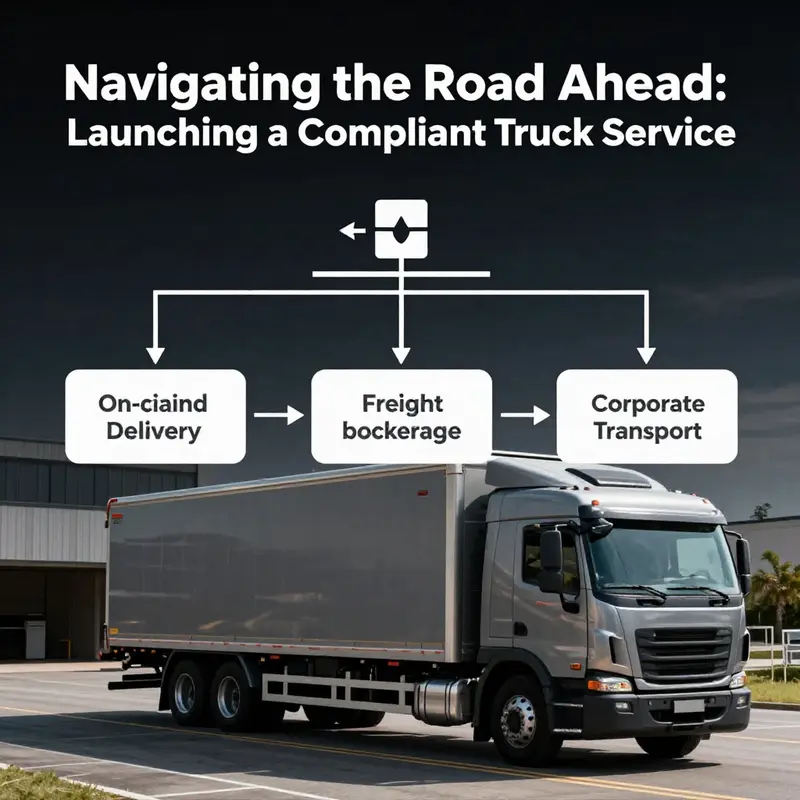
Choosing a legitimate business model is best approached through three interlocking lanes: on-demand delivery, freight brokerage, and corporate or event transportation. Each lane targets different customer needs while sharing a common backbone: licensed authority, proper insurance, and a technology-enabled operation. On-demand delivery—last-mile logistics—lets you move groceries, parcels, and specialized items in urban and suburban corridors. A mid-sized van or a small truck can be optimized with routing software to meet same-day or next-day timelines, a critical differentiator in competitive markets. Feasibility hinges on securing an operating authority, maintaining cargo and auto insurance, and aligning with customers who value traceability and proof of delivery. A second lane, freight brokerage, positions you as a connector between shippers and independent carriers. This model scales more rapidly when you have a network of vetted drivers and a secure bond, because many shippers prefer to work with brokers who can guarantee compliance and smooth communications. It also provides a way to monetize your market knowledge—matching capacity to demand efficiently and transparently. The third lane—corporate and event transport—offers steady, predictable revenue by serving conferences, campuses, or business campuses with shuttle or point-to-point services. It requires rigorous safety standards, ADA compliance where applicable, robust background checks, and a track record of reliable scheduling across shifts and routes. Taken together, these lanes create a diversified portfolio that reduces risk and unlocks multiple entry points to growth, without sacrificing compliance.
A legitimate model also demands careful planning around capital, financing, and capitalization with respect to minority-owned ventures. Start-up costs are not incidental; they are the scaffolding of your service. Realistic budgeting should reflect both the hard assets—vehicles, cargo and auto insurance, licenses, and inspections—and the soft infrastructure that makes operations sustainable—dispatch software, maintenance programs, and compliance training. In practical terms, a typical equation begins with a vehicle asset plan in the range of twenty-five to sixty thousand dollars of upfront investment, depending on whether you buy or lease, plus annual insurance in the several thousand-dollar territory. Add a modest but essential layer of FMCSA compliance and a bond, and the first-year cost becomes a clearer path rather than a mystery. Marketing, branding, and a digital platform for dispatch and customer communication round out the core expenses. This careful budgeting is not a burden; it is the scaffolding that enables you to offer predictable service levels, which customers value and reward with repeat business.
Feasible financing for minority entrepreneurs often comes from a mix of personal capital, family and friends, and institutional options such as community development lenders or small business grants. The narrative of a Black-owned fleet resonates with lenders when paired with a credible strategy, transparent financial projections, and a clear plan for achieving regulatory compliance. A robust business plan that includes target customers, anticipated revenue streams, and a realistic forecast for cash flow signals to partners and lenders that this is a venture with staying power. Strategic partnerships can accelerate the journey. For instance, aligning with Black-owned suppliers for fueling, maintenance, or even software services strengthens both the supply chain and the broader ecosystem you want to nurture. These alliances do more than reduce costs; they amplify credibility and create a network of peers who share a commitment to sustainable, ethical business practices. The goal is not only to win immediate bids but to cultivate long-term relationships with clients who depend on dependable, transparent delivery and transportation services.
Technology acts as the force multiplier in this evolution. A digital platform for dispatch, tracking, and billing turns a collection of trucks into an integrated service with visible performance metrics. Real-time updates, geofenced alerts, and automated billing create trust with customers and protect against disputes. For a Black-owned operator, tech can also level the playing field by delivering professional-level capabilities that were once available only to larger fleets. The same platform supports driver onboarding, safety training modules, and a culture of continuous improvement. It also lowers barriers to scale: once you have a solid core, you can expand capacity with additional fleets or by partnering with other licensed carriers to meet surges in demand without overextending your own capital.
Within this framework, the specific customer base becomes a compass for both marketing and service design. On-demand delivery appeals to local retailers, e-commerce stores, and healthcare facilities that require reliable, time-sensitive delivery. Freight brokerage attracts shippers who value a streamlined process, transparency, and a single point of contact for regulatory compliance. Corporate transport draws in events organizers, universities, and companies seeking shuttle solutions that respect safety, accessibility, and punctuality. The revenue streams follow logically from these needs: per-mile charges and time-based rates for delivery, tiered contracts with service level guarantees for freight, and fixed-route or per-seat pricing for shuttle services—the last often enhanced by bundled value-added services like GPS tracking, incident reporting, and performance dashboards that clients can share with their stakeholders. A well-structured revenue model needs to reflect both what the client is willing to pay and what it costs to deliver that service—never assuming margins will hold without ongoing optimization.
The path forward is intimate with the real world constraints of trucking. You will need to recruit and train drivers who are not only licensed but also aligned with your values—customer service, safety, and professionalism. Training should cover beyond the basics of operation: how to communicate clearly with customers, how to manage expectations during delays, and how to document incidents or changes in schedule with precision. Insurance is not a mere checkbox; it is a living contract that protects your business, your drivers, and your clients. Maintaining safety records, conducting regular vehicle inspections, and adhering to hours-of-service regulations are essential. A credible operator earns trust by proving—not just promising—consistency. That trust is what converts first-time customers into repeat partners and eventually into long-term collaborations.
For a broader strategic view, consider macro trends in the trucking and logistics sector. They shape demand, pricing, and the kinds of partnerships you pursue. See resources that discuss shifts in freight demand, the adoption of electric and private fleets, and the evolving regulatory landscape. As you refine your model, keep one eye on the numbers and one eye on the field: every contract, every route, and every driver must reinforce your commitment to reliability, transparency, and community impact. The goal is a business that can weather regulatory changes and market cycles while remaining anchored in ethical practice and social responsibility. For a deeper dive into this macro context, explore discussions about key economic trends impacting the trucking industry. Key Economic Trends Impacting the Trucking Industry.
The journey from a shadow economy mindset to a legitimate, scalable, Black-owned truck service is not a leap of faith but a sequence of deliberate steps, each designed to build credibility and capacity. You begin with a clear value proposition and target customers, then choose a legitimate model that fits your strengths, secure the licenses and insurance that prove you play by the rules, and finally deploy technology and partnerships that enable sustainable growth. With disciplined budgeting, strong governance, and a narrative that connects your mission to measurable outcomes for clients and communities, you can move from the risk of illicit operations to the resilience and opportunity of a lawful, high-performing logistics business. This is not merely about compliance; it is about creating a brand that people can trust, a workforce they can respect, and a future for your community that is defined by opportunity, transparency, and progress. If you carry that mindset into every bid, every route, and every client relationship, your legitimate Black-owned truck service stands not only to survive but to lead in a rapidly changing transportation landscape.
External resource: For practical guidance on planning and starting a business, consult established resources that outline steps, funding options, and regulatory considerations. https://www.sba.gov/business-guide/plan-your-business/start-your-business
From Shadows to Standards: Building a Fully Legal, Tech-Driven Truck Service That Delivers
The idea of a quick-win, unregulated “black truck” service often tempts aspiring entrepreneurs who see a gap in local markets for fast, flexible transport or delivery. Yet the reality is stark: operating without proper authorization, insurance, and safety controls exposes you to significant legal and financial risk. What looks like a shortcut can become a long, costly detour. The real opportunity lies in converting that energy into a compliant, tech-enabled trucking or delivery business that fits within the rules, earns trust from customers, and scales with fewer surprises. This chapter sketches a coherent path from risk to regulation, showing how to build a legitimate operation that can compete with established players in today’s economy where speed, reliability, and safety are nonnegotiable expectations.
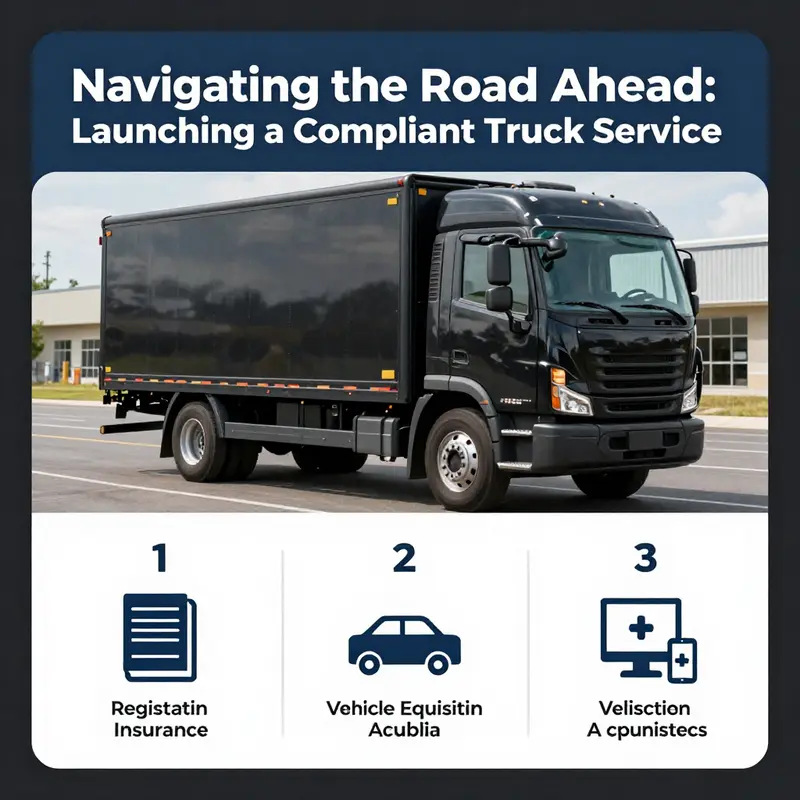
The legal framework matters as soon as you think about moving goods or people for compensation. In the United States, the core requirements revolve around federal and state authorities that govern commercial vehicle use. A USDOT number marks your entry into cross-state activity, while an MC (Motor Carrier) number governs for-hire operations across state lines. Even if you start small, operating without these identifiers places you outside the law—and outside the protections that insurance, roadside assistance, and federal oversight provide. Beyond registration, the average operation must secure commercial auto insurance, cargo coverage, and general liability protection, with each policy tailored to the type of work you perform. Vehicles used for business must pass formal inspections, stay current on safety maintenance, and be equipped with the tools that support accountability, such as reliable GPS, proper load securement, and documentation practices. These are not mere bureaucratic hurdles; they are the backbone of professional service, customer confidence, and the ability to partner with bigger clients or platforms that demand compliant fleets.
If you plan to offer on-demand delivery or passenger transport in a regulated environment, the path splits into legitimate models that leverage the same asset—your truck or van—yet align with industry standards. One model focuses on on-demand delivery and last-mile logistics for groceries, parcels, medical supplies, and retail goods. Another positions you as a freight broker, connecting shippers with independent carriers under a licensed framework. A third option centers on corporate or event transport, providing reliable shuttle or charter services with attention to passenger safety and accessibility. Each model relies on solid insurance, clear driver qualifications, and robust dispatch processes. The right choice depends on your local demand, the size of your fleet, and your appetite for ongoing regulatory compliance. In all cases, business owners should cultivate relationships with shippers and platforms through professional contracts, transparent pricing, and dependable service levels.
A practical way to envision launching is to imagine you are building a technology-enabled operation from the ground up. You begin with formalizing your business entity—an LLC or corporation, chosen for liability protection and tax planning—and you register the business name with the appropriate state authority. Then you secure the federally required credentials: USDOT and MC numbers when applicable, plus any state-level operating authority. These steps are not mere formalities; they are prerequisites for commercial insurance, driver qualification processes, and the ability to engage with clients who insist on compliant operations. Insurance is not optional; cargo coverage protects the goods you move, general liability covers third-party injuries or property damage, and auto insurance tailored for commercial use guards the fleet against everyday risk. Drivers require proper credentials, background checks, and adherence to drug and alcohol testing programs. Hours of Service rules, vehicle maintenance logs, and incident reporting are not trivia but essential components that regulators and insurers will expect to see.
Vehicles, of course, matter. You will likely choose medium-size vans or trucks that balance payload with maneuverability, fuel efficiency with durability, and compliance with safety standards. Routine maintenance, tire condition, lighting, braking, and the securement of loads all feed into a cycle of safety that protects your customers and your bottom line. Technology is not decorative here; it is a competitive differentiator. A dispatch and routing system helps optimize every mile, capture proof of delivery, streamline billing, and maintain clear lines of communication with customers. In today’s market, customers expect real-time updates, predictable ETAs, and transparent costs. A robust digital backbone—without naming any specific brands—can deliver route optimization, driver performance data, and integrated invoicing so you can scale from one vehicle to a growing fleet.
Hiring and training drivers rounds out the core human element. You want licensed drivers with clean records, proper endorsements for the type of service you offer, and a culture of safety and customer service. Training should cover not just the mechanics of driving but the behavior customers expect: punctuality, courteous communication, careful handling of goods, and adherence to company policies. The human and the vehicle become a single, dependable service. Marketing your compliant operation then follows a natural arc: build a professional presence online, cultivate relationships with local merchants and shippers, and position your fleet as a reliable part of the community’s logistical ecosystem. Your messaging should emphasize safety, reliability, compliance, and the value you add by providing traceable, insured service that can be audited and trusted by clients of all sizes.
As you map out the steps, you will notice three structural pillars that determine how fast you can grow: regulatory readiness, financial groundwork, and operational discipline. Regulatory readiness means assembling the license, insurance, and compliance programs you need. Financial groundwork involves securing startup capital, understanding ongoing costs, and planning cash flow to cover insurance, payroll, vehicle maintenance, and technology. Operational discipline encompasses dispatch efficiency, data-driven pricing, and a service mindset that keeps customers informed and satisfied. The more you foreground these pillars, the less you will be surprised by inspections, renewals, or audits that can disrupt a smaller operator’s momentum. It is also worth placing a small anchor in the literature about the broader economic trends shaping trucking and logistics. A deeper look at the current economic landscape shows how demand cycles, fuel costs, and cross-border regulatory issues interact with capacity. For readers who want a concise synthesis, a reputable briefing on key economic trends impacting the trucking industry offers a useful compass for strategic planning and risk management. Key Economic Trends Impacting the Trucking Industry provides a framework to anticipate where growth or constraint is likely to come from and helps you align your model with market realities.
The financial side is not glamorous, but it is essential. Startups in legitimate trucking ventures typically incur costs for streamlined licensing, a modest fleet, and the core tech stack that coordinates loads, routes, and payments. A realistic projection places startup costs in a broad range, reflecting choices about leasing versus purchasing, the scale of the initial fleet, and the breadth of services you intend to offer. You might begin with a lean, single-vehicle operation and expand as revenue, contracts, and insurance capacity grow. You can also explore partnerships with existing fleets or brokers to validate your model before committing to full ownership. As with any service-based business, your ability to deliver on time, communicate clearly, and handle issues gracefully differentiates you from competitors and builds a reputation that can attract larger clients over time.
In practice, the shift from a risky, unregulated concept to a compliant enterprise unfolds through disciplined execution. The industry rewards operators who invest in safety, verify capabilities, and demonstrate consistent performance. Success stories in legitimate trucking and delivery illustrate what is possible when rule-based operations meet modern logistics demands. These stories show that growth is not built on shortcuts but on reliability, contracts, and scalable systems. The goal is not simply to survive initial months but to create a foundation that welcomes larger partnerships, more complex routes, and greater resilience against market fluctuations.
If you keep the focus on legality, safety, and customer trust, you are aligning with a future in which mobility and delivery are increasingly integrated with digital platforms, real-time data, and accountable service providers. The legal path is not a constraint; it is a map toward legitimacy, credibility, and durable growth. The message to readers should be clear: there is no viable, lawful route to a “black” truck operation that outpaces the modern market. The smarter route is a fully licensed, insured, and technologically adept business that delivers consistently, protects people, and participates openly in the logistics ecosystem. For authoritative federal guidance as you plan, consult the Federal Motor Carrier Safety Administration’s resources, and for practical business-building steps, refer to the SBA’s guidance on starting a trucking enterprise. External guidance in federal frameworks reinforces the discipline you will bring to every mile you move and every customer you serve.
External resource: https://www.fmcsa.dot.gov
Costs and Investment Considerations for a Legally Compliant Black Truck Service Venture: Building a Sustainable, Brand-Ready Fleet
Choosing to move from an informal, unregulated operation toward a legally compliant truck-based service changes the whole math of startup costs, cash flow, and long-term viability. It also shifts the calculus from a quick, potentially risky payoff to a patient, scalable growth path. In this chapter the focus is on the financial architecture of a legitimate, box-truck–driven delivery or transport business. The aim is to illuminate what you must invest upfront, what ongoing expenses you should expect, and how those costs align with realistic revenue opportunities in a market that increasingly prizes reliability, insurance protection, and technology-enabled operations. A sober, numbers-first approach helps separate enthusiasm from feasibility and sets the stage for sustainable growth rather than a fragile, one-time push.
Vehicle acquisition represents the largest line item in most start-up budgets. Box trucks typically range from about 10 to 26 feet, a size that balances payload with maneuverability in urban environments. Buying new offers the longest service life and the best warranty, but it comes at a premium. In many markets, new trucks can run from roughly $30,000 to more than $60,000 depending on size, brand, and features. Used vehicles are tempting for early-stage ventures, yet they demand careful inspection, potential retrofits, and a plan for anticipated maintenance. Leasing is another route that can reduce upfront strain while preserving capital for passengers or packages, fuel, and insurance. The choice among purchase, lease, or hybrid financing will shape your depreciation, tax strategy, and cash flow projections.
Commercial insurance sits directly alongside vehicle costs as a core obligation. Auto coverage tailored to commercial use is not optional; it is a prerequisite for legitimate operations and client trust. Expect premiums that reflect vehicle type, cargo exposure, driving records, and coverage limits. A reasonable starting band for auto and cargo insurance is several thousand dollars in the first year, with increases as you scale or if you add drivers. General liability, contingent cargo, and workers’ compensation may also be needed depending on the model you choose and the contracts you pursue. These protections can dramatically reduce personal risk in the event of accidents or losses and frequently influence larger customers to select you over smaller, unlicensed operators.
Beyond the vehicle and insurance line items, regulatory licensing and permits are essential and often overlooked by first-time operators. In the United States, you will typically need the FMCSA MC Number and a USDOT Number if you plan interstate work, along with state-specific operating authority and a local business license. Each tier of authorization comes with its own fees and compliance requirements. There is also a bond or trust requirement for many freight broker or carrier roles, which contributes to the early-cost envelope. The financial impact of permits grows when you consider annual renewals, inspections, and potential safety compliance investments that keep you aligned with federal and state rules.
Technology and equipment form the backbone of a professional service. You should budget for dispatch software, route optimization tools, customer communications, and reliable mobile devices. Modern fleets rely on GPS tracking, proof of delivery, and real-time visibility to drive efficiency and customer confidence. Loading gear such as dollies, straps, and pallet jacks reduces labor injuries and accelerates throughput. The ongoing software and hardware costs are typically modest on a per-vehicle basis but compound as you expand. Expect a few hundred dollars each month for software licenses and a similar amount for maintenance and basic equipment per vehicle.
Operational costs extend well beyond fuel. Regular maintenance, tires, oil changes, brake work, and periodic A/C service all add up over the life of a fleet. If you hire drivers, wages, payroll taxes, benefits, and training become a meaningful line item. Even with autonomous or semi-autonomous safety systems, human oversight remains critical for safety, customer service, and incident response. Administrative costs—billing, invoicing, compliance documentation, and insurance invoicing—also need a dedicated budget. A practical approach is to estimate a per-vehicle monthly operating cost that includes fuel, maintenance, insurance allocations, and driver compensation where applicable. This helps translate a fleet size decision into a clear monthly cash flow target.
With these cost areas in view, a simple, conservative startup model helps illustrate the scale needed to launch responsibly. A typical setup might begin with one to two owned or leased box trucks, one administrative employee, and one supervisor or lead driver. In this scenario, total startup costs could reasonably land in the range of $25,000 to $60,000 or more, depending on vehicle choices, financing terms, and the level of licensed operation you pursue. A mature plan would also reserve working capital to cover two to three months of fixed expenses, especially while you build your customer base and stabilize your routes. The numbers emphasize a crucial point: legality and quality insurance do not just protect you; they unlock contract opportunities with retailers, manufacturers, and on-demand platforms that demand reliability.
The industry context lends credibility to these cost foundations. The box truck sector has grown into a substantial market, driven by e-commerce and the demand for flexible, mid-mile and last-mile delivery solutions. This growth supports the rationale for new entrants who want to offer differentiated service, branding, and premium logistics without relying on a national carrier’s schedule. The reality, however, is that cost discipline and strategic capital deployment are what separate a short-lived venture from a scalable business. The financial architecture must support not only the initial purchase but ongoing investments in maintenance, safety compliance, driver training, and technology upgrades. In practice, that means a disciplined budgeting process where every dollar is tied to a service capability—the ability to meet service-level agreements, maintain a reliable delivery window, and present a brand that customers can trust. A useful frame for tracking this discipline is to map costs to service outcomes: reliability, speed, safety, and transparency. When a fleet operates with predictable costs per mile and clean insurance coverage, you gain pricing power and the ability to win larger, more stable contracts.
For those who want to understand how ongoing costs evolve as fleets scale, it helps to keep an eye on broader industry trends and maintenance realities. A useful reference point is the evolving landscape of private fleets and maintenance practices, which often reveals how capital decisions translate into operational reliability. See the discussion around private fleets trends in trucking maintenance for a grounded view of how maintenance planning shapes total cost of ownership and service quality. This link offers practical grounding as you forecast maintenance intervals, spare parts planning, and long-term fleet resilience. private fleets trends in trucking maintenance.
As you weigh the path from a high-variance, informal approach to a formalized, compliant operation, the numbers above become more than a math exercise. They anchor decisions about whether to lease or buy, how much insurance to carry, and which technology investments are essential. They also influence your go-to-market strategy. If you aim to serve major retailers or regional distributors, your cost structure must align with service-level requirements and safety standards. Clients see these investments as proof that you can handle sensitive cargo, navigate urban routes efficiently, and sustain service quality under pressure. The more robust your cost framework, the more confident lenders and partners will be about your ability to scale. Finally, a note on planning and education. Building a legal, professional truck-based delivery business benefits from formal planning resources that translate into concrete roadmaps. For readers seeking a structured plan, a detailed guide on box truck business planning provides a blueprint that includes financial forecasting, market analysis, and operational setup. You will find a comprehensive step-by-step resource here: https://www.shopify.com/blog/box-truck-business-plan.
Steering Clear of the Black Truck Trap: Building a Legal, Tech-Driven Delivery Fleet
The lure of a quick payoff from an unlicensed operation can feel irresistible in a market hungry for faster deliveries and easier deployment. Yet a shadow economy based on informal, unregulated transport creates a web of risk that can pull a founder down before the business really takes off. In this chapter, we follow a path that rejects the shortcut and embraces a compliant, tech-enabled model that not only protects you but also positions you to grow with customers who demand reliability, traceability, and safety. The contrast between illicit and legitimate trucking is not merely legal; it’s a difference in long-term viability, customer trust, and access to capital. A legitimate fleet can be insured, inspected, and integrated with modern platforms that power same-day and next-day delivery, route optimization, and transparent billing. In practice, that means starting not with a truck, but with a plan: a framework built on compliance, technology, and a culture of service that earns the right to scale.
First, you must understand the legal framework. Operating a black or unregulated truck service is not a mere paperwork nuisance; it lies at the heart of regulatory risk that affects your enterprise, your drivers, and the people who depend on your service. Across jurisdictions, commercial vehicle operations hinge on clear rules about insurance, licensing, safety inspections, and rider or passenger rights. In the United States, for instance, a legitimate operation requires commercial authority to move freight or people for compensation, typically evidenced by a government-issued number that demonstrates compliance with safety and financial responsibility standards. The same principle applies in other regions, though the exact agencies and forms differ. You’ll need to demonstrate that your fleet is roadworthy, that drivers meet professional qualifications, and that you carry sufficient cargo or auto liability coverage. This is not a theoretical requirement; it anchors your ability to work with shippers, retailers, and platforms that demand audited safety records and trusted business practices. As you map your path, you should actively seek out authoritative guidance from official sources and avoid opportunistic shortcuts that could jeopardize everyone involved.
With the legal groundwork in mind, pick a legitimate business model that aligns with current demand and compliance expectations. An on-demand delivery service, for example, leverages medium-sized trucks or vans to move goods—from groceries to e-commerce parcels and even critical medical supplies. You can build a network by partnering with local retailers, third-party logistics platforms, and regional distributors, delivering in urban and suburban corridors where speed matters but safety and accountability must come first. A freight brokerage is another viable route for smaller carriers: you act as a conduit between shippers and independent drivers, ensuring contracts, insurance, and safety requirements are in place. This model can be especially attractive if you want to scale gradually, maintain a lean initial fleet, and reduce exposure to the risks of large capital commitments. A corporate or event transport service presents a third avenue, offering shuttle services for conferences, campuses, or large workplaces, where ADA compliance, driver background checks, and dependable scheduling become differentiators. The common thread across these models is clear: success stems from operating within a legal framework while exploiting technology to optimize routes, track shipments, and build trust with customers.
Technology, in particular, defines the difference between a one-truck operation and a scalable logistics partner. A robust dispatch and tracking platform is no longer optional; it is the backbone of efficiency, accuracy, and customer communication. Modern delivery management tools enable real-time visibility for customers, automated alerting for delays, and centralized billing that reduces administrative overhead. The right software also helps you optimize routes to minimize fuel consumption and wear, manage driver availability, and integrate with e-commerce platforms or retailers that expect white-label, turnkey delivery solutions. Behind the scenes, data systems improve safety and compliance by maintaining driver records, vehicle maintenance schedules, and incident reporting. You don’t need to reinvent the wheel from scratch—many reputable platforms offer scalable solutions that can be adapted to your model, and you can begin with a lean setup that grows with your operations. Yet even the best software won’t substitute for a qualified, well-trained team. You should hire licensed drivers with clean records, invest in ongoing safety and customer service training, and establish clear policies on fatigue management, mobile device usage, and post-delivery follow-up. The human element remains essential; technology merely amplifies reliability and efficiency.
As you move from concept to launch, consider the practical steps that turn a compliant plan into a functioning business. Start with the legal entity and compliance posture: register an entity, secure appropriate licensing or operating authority, and obtain the right insurance—cargo or general liability, plus auto coverage for a commercial fleet. Then align your fleet strategy with your chosen model: determine the type and size of vehicles that fit your service profile, negotiate favorable financing or leasing arrangements, and implement a maintenance program that prevents breakdowns and extends vehicle life. Simultaneously, adopt a dispatcher and customer-facing platform that coordinates orders, communicates timing, and reconciles payments. Build a driver recruitment plan focused on background checks, training, and a culture of safety and service. Put in place standard operating procedures for onboarding new customers, handling exceptions, and addressing customer complaints with empathy and speed. Finally, begin marketing with a credible value proposition: reliable delivery windows, transparent pricing, and a reputation for safe handling of goods. The objective is not just to land a few contracts but to establish a track record that can attract larger clients, banks, or investors, all of whom look for compliance, uptime, and scalable processes as non-negotiables.
The financial picture matters as much as the legal one. A realistic startup budget recognizes the cost of insurance, fleet acquisition or leasing, licensing, and the necessary technology stack. You might find it prudent to start small—leasing a pair of dependable vans or partnering with an existing fleet to fulfill deliveries while you build your own credentials. Even at a modest scale, you’ll need to reserve capital for ongoing maintenance, fuel, taxes, and driver wages, as well as for the software subscriptions that keep your operations synchronized. When you explain this to lenders or potential partners, emphasize the defensible ROI that comes from improved delivery speed, higher order accuracy, and the ability to service larger, more demanding customers who require auditable processes and compliant practices. The math becomes persuasive when you demonstrate how every dollar spent on safety, driver training, and route optimization yields savings in time, fuel, and liability exposure.
Why avoid the black truck approach, apart from the obvious legal hazards? Because illegitimate operations erode public trust and stifle legitimate competition. The absence of insurance means victims and operators alike face financial peril after accidents. Vehicles operating without regular inspections carry higher risk of breakdowns or catastrophic failures at critical moments. The lack of professional training translates into poor driving behavior, unsafe passenger handling, or mishandling of goods, especially when deadlines tighten. These factors accumulate into a public safety concern, inviting heavier enforcement and suppressing potential growth. In contrast, a compliant, data-driven business can weather regulatory shifts, respond to new market demands, and secure meaningful partnerships that become the backbone of long-term profitability. It’s a transformation from a risky gamble to a measured, scalable enterprise with the potential to nationalize its footprint through licensed operations, standardized safety programs, and transparent financial practices.
To illustrate the broad arc of legitimate practice without anchoring to any single brand, imagine a regional delivery network that aligns with shippers requiring dependable last-mile service. The network would be built on compliant operations, insurance-backed liability, and a driver pool trained to meet safety and customer service standards. It would deploy a dispatch system that routes efficiently, tracks every package, and communicates proactively with customers about ETA changes. It would offer flexible capacity—holding fleet space for peak periods or for new partners—and it would be able to demonstrate measurable performance improvements to potential clients. This is the essence of turning what could have been a risky pursuit into a durable, investable business. For readers who want to dig deeper into the market context that shapes these decisions, there are documented analyses of the broader trucking and logistics landscape that discuss demand cycles, labor trends, and regulatory pressures in a unified framework. See the resource on Key economic trends impacting the trucking industry for a concise overview of these dynamics: https://fritzke-truckinginc.com/key-economic-trends-impacting-the-trucking-industry/. As you plan, remember that a successful truck-based service hinges on trust—trust with customers, with insurers, with regulators, and with the communities you serve.
In closing, the opportunity is real for those who commit to legality, embrace technology, and foster a culture of safety and service. A legal, tech-enabled truck delivery or transportation business can scale from a modest pilot into a full-fledged logistics partner for regional brands and local businesses. The path requires discipline, capital discipline, and a long horizon for growth. It rewards persistence with attractive margins, predictable revenue streams, and the ability to weather regulatory changes by staying ahead of compliance requirements rather than chasing short-term gains. The contrasts between illicit activity and legitimate enterprise are not merely about rules; they are about the future you choose to build—one that protects people, respects communities, and delivers reliable mobility in a complex, ever-evolving logistics world.
External reference for policy-context: Ministry of Transport of China.
Final thoughts
The momentum behind logistics and mobility offers immense potential for those wishing to enter the truck service industry. However, the risks associated with unlicensed operations cannot be overstated. By adhering to legal frameworks and choosing legitimate business practices, companies can not only safeguard their investments but also build a trustworthy and scalable service that meets the evolving needs of various sectors. The journey may seem daunting, but with the right knowledge and commitment to compliance, launching a successful truck service business is within reach.