
In today’s competitive landscape, efficiently managing logistics and transportation is crucial for success across various industries. Whether you are a manufacturing company, an e-commerce retailer, construction firm, or a small business owner, understanding how to effectively contact USA truck drivers and owner-operators is vital for ensuring timely deliveries and improved operational efficiency. This guide delves into the best methods for establishing connections with independent drivers and dispatch services, including dedicated trucking platforms, freight brokers, associations, and mobile apps. Each chapter provides actionable insights tailored to help you navigate the trucking industry and optimize your logistics strategy.
Connecting Loads with Independent Carriers: How Dedicated Dispatch Platforms Modernize Contact with USA Owner-Operators
Dedicated trucking dispatch platforms have reshaped how shippers connect with owner-operators and small fleets across the United States. They act as digital marketplaces that bring together freight, capacity, and the people who move it. The core promise is simple: a load posting posted once reaches a broad, vetted pool of drivers who are actively seeking work, with transparent pricing, predictable communication, and real-time status updates. For dispatch services, this isn’t just convenience; it’s a fundamental shift in efficiency, reliability, and risk management. The path from the old model—where calls and emails traveled through a chain of brokers and middlemen—to a modern platform-based workflow is marked by better visibility, more competitive pricing, and faster response times.
Behind the scenes, these platforms blend three essential functions. First comes load matching: shippers describe the freight, lanes, equipment needs, and timing; the platform surfaces carriers whose profiles align with those requirements. Second is the communication layer: direct in-app messaging, document sharing, and sometimes even integrated payments remove the friction of chasing trucks by phone. Third is the data layer: ratings, service history, and compliance flags help both sides build trust before a load changes hands. The result is a workflow that rewards clarity and timeliness and discourages the common inefficiencies that plagued the old systems.
Within this ecosystem, one driver-focused platform has shaped how owners and operators participate in dispatch. By combining truck-specific routing, live parking and rest-stop data, and real-time feedback from a community of users, it turns a driver’s daily route into a living map with actionable intelligence. For dispatch services trying to reach owner-operators, the platform’s size and engagement translate into faster outreach and more predictable engagement. The audience is not passive; drivers actively post updates, request better freight options, and rate load offers. This creates a feedback loop that improves the quality of matches over time and reduces the chance of delays or unexpected detours.
Another notable option provides a direct connection channel between drivers and carriers, minimizing layers between the person who wants to haul freight and the driver who can do it. The emphasis here is not the brand, but the principle: a transparent, recruiter-free posting environment where carriers present accurate descriptions of equipment, lanes, and rates, and drivers express interest with straightforward responses. This approach builds trust and speeds decision-making, which matters when a shipment window is tight. For dispatch services, such a structure means fewer calls, fewer miscommunications, and a clear audit trail for every load.
Practically, how do you leverage these platforms to contact and engage owner-operators effectively? Start with a clear, compliant load posting. Include essential details: origin and destination, the required equipment, weight and dimensions, preferred lanes, deadlines, and a baseline rate range. The more precise you are, the faster the platform can match you with the right carrier. Most platforms also support attachments for bills of lading, insurance certificates, or special permits, which reduces back-and-forth and ensures drivers know exactly what qualifies for the job before they commit. If your freight involves temperature control, hazmat, or oversized cargo, highlight those constraints up front so only qualified operators respond. Clear postings decrease rejection rates and shorten cycle times.
From there, expect a wave of bids or direct inquiries. The best practice is to implement a consistent evaluation workflow. Read driver profiles carefully: verify insurance, DOT numbers, and license details, along with equipment type and uptime history where available. Prioritize carriers with reliable on-time performance, a record of safe handling, and a track record of communicating changes promptly. In return, offer timely feedback on bids, provide transparent terms, and maintain professional communication through the platform’s messaging tools. The platform itself often provides real-time visibility of load status, driver location, and estimated arrival times, so you can keep stakeholders informed without calling the driver every hour. This transparency is not mere convenience; it translates into better customer service and fewer misaligned expectations across your supply chain.
To maximize efficiency, integrate the platform into a broader dispatch workflow. Assign a single owner to oversee load postings and bid responses, then set up a standard operating procedure for accepting bids, confirming pickup, and issuing invoices or payments. Use the data generated by the platform to identify patterns—seasonal demand shifts, lane profitability, and typical bid-to-ship-time gaps. The aim is to optimize routing not only for fuel efficiency but for reliability and service levels. A well-tuned process reduces empty miles, lowers detention time, and enhances driver retention because owner-operators feel respected and informed rather than chased by fragmented communications.
Macro considerations also shape the effectiveness of platform-based outreach. Economic cycles, regulatory changes, and fuel price volatility can alter carrier capacity and pricing dynamics. A practical approach is to track these trends and adjust postings accordingly. For instance, when demand tightens, you might increase the minimum acceptable service standards, offer faster payment terms, or adjust lane expectations to align with reduced capacity. Conversely, in a softer market, you can broaden acceptance criteria to fill capacity while maintaining safety and reliability. The platform-driven model gives you the data to make these moves quickly, rather than waiting for a pipeline to replenish gradually. For a broader context on how these forces shape the industry, see Key Economic Trends Impacting the Trucking Industry.
Ultimately, the value proposition of dedicated dispatch platforms lies in connectivity, speed, and trust. They empower shippers to reach a wide and qualified pool of owner-operators without the friction of chasing individual drivers, while giving drivers a transparent view of opportunities and the ability to respond quickly with accurate proposals. For dispatch services, this is a mechanism to stabilize capacity, sharpen lane focus, and lock in performance commitments that matter to your customers. The ecosystem also supports updates like road conditions or parking availability, ensuring you can adjust plan B options if a route encounters an unexpected bottleneck. Still, success hinges on your discipline: you must maintain clean profiles, accurate load postings, and timely communication in every step of the process. When drivers sense your requests are straightforward and legitimate, they become more likely to prioritize your loads and offer favorable terms, rather than treating you as one of many uncertain postings.
Finally, consider incorporating a driver-centric ethos into your approach. Treat owner-operators as partners rather than vendors; share expectations clearly; recognize them for reliability; provide prompt payment; and respect the realities of the road. The dispatch platforms will do much of the legwork, but sustained success comes when your internal teams align around data, compliance, and service level commitments. In that sense, these platforms are not merely tools; they are catalysts for a more resilient, transparent, and professional relationship with the backbone of the U.S. freight network.
External resource: Industry data platform for capacity insights and market trends can complement these platforms and help refine bidding strategies: https://www.dat.com
Orchestrating Access: How Freight Brokers Link Shipper Needs with USA Owner-Operators and Dispatch Networks
Connecting with USA owner-operators and dispatch services through freight brokers is not just about finding loads; it is about building a reliable, scalable workflow that aligns what shippers need with the realities of road networks, equipment availability, and driver preferences. When done well, this collaboration turns a fragmented market into a cohesive system where drivers stay busy, brokers sustain predictable capacity, and shippers receive consistent service. The broker-dispatch model functions as an ecosystem that, behind the scenes, handles a range of responsibilities that are often invisible to the outside world but essential to keeping freight moving efficiently. It is a relationship built on trust, transparency, and a clear understanding of risk, cost, and timing. In practice, a seasoned broker or dispatch intermediary acts as an agent who continuously maps available capacity to local and national demand, matching lanes, equipment types, and service levels with the drivers who can deliver them. This is not merely a matchmaking service; it is a workflow engine that threads together quoting, load assignment, route planning, and post-haul administration into a smoother, more predictable experience for everyone involved. In this domain, the value proposition centers on control and clarity. Shippers gain more reliable on-time performance, reduced empty miles, and better visibility into the status of each shipment. Owner-operators and small fleets gain access to steadier freight, scalable dispatch support, and back-office relief that frees time for driving and compliance tasks. Dispatch services enter the picture as professional operators that manage the day-to-day friction—the scheduling, communication, and documentation that accumulate when dozens of loads ride the clock across multiple states. This can include coordinating with brokers for load offers, managing carrier onboarding and safety checks, and handling the administrative chores that often slow cash flow if left unattended. While the landscape is dotted with platforms and intermediaries, the core advantage remains the same: a well-structured bridge between demand and capacity that minimizes friction and maximizes uptime. A leading example in the United States showcases how a comprehensive dispatch intermediary can unlock high-paying freight opportunities while taking on the heavy lift of back-office tasks such as billing, claims, insurance coordination, and regulatory compliance. By partnering with such an intermediary, owner-operators can focus more on driving, while the intermediary maintains a broad network of brokers and shippers and keeps the paperwork and payments aligned. The practical impact is a driver roster that is less exposed to seasonal dips and more able to respond quickly to load opportunities that fit their preferred lanes and equipment. The result is a more consistent revenue stream for drivers and a more reliable, data-driven service for shippers. Logistics professionals who have built careers around this model emphasize that success hinges on a few critical capabilities. First, there is an ongoing, systematized vetting of freight opportunities. Brokers and dispatch intermediaries screen loads not only for price but for lane viability, required equipment, weight, accessorials, and the driver’s current position. This reduces the time drivers spend chasing inappropriate jobs and minimizes the risk of deadhead miles. Second, strong communication protocols matter. Timely, precise updates about load status, expected pick-up windows, and route changes help drivers plan their days with confidence. Third, the back office becomes a cornerstone of reliability. In addition to invoicing and payment scheduling, reputable intermediaries coordinate insurance documentation, safety compliance, and audit trails that protect both drivers and shippers during disputes. The result is a tighter feedback loop—one that improves load quality, drive-time predictability, and overall service levels. For shippers, the advantage is not merely access to more drivers; it is access to a network that can be calibrated to risk tolerance, service requirements, and regional constraints. A shipper with sensitive delivery windows benefits from a broker’s ability to allocate capacity for time-critical lanes, while those with broader, more seasonal needs gain from scalable capacity across a wider geographic footprint. The broker-dispatch relationship thus creates a dynamic where supply can be tuned to demand with greater precision, reducing long cycles between bidding and loading and, in many cases, shortening the time from load posting to pickup. The mechanics of engagement often unfold as a sequence of practical steps that, when followed, yield reliable results. Initially, a shipper or broker describes the freight in a standardized way: origin, destination, equipment needs, weight, dimensions, and any specialized requirements. This input becomes the basis for matching with owner-operators who have declared compatible lanes and preferred operating areas. The next phase involves the dispatch intermediary, which performs due diligence on carrier qualifications, ensures insurance and authority are current, and validates that the driver’s equipment can meet the load’s needs. Once a match is found, the intermediary handles the scheduling, confirms the rate and terms, and oversees the onboarding process if the driver is new to the shipper’s network. A critical, often underappreciated aspect is payment orchestration. Factoring arrangements and factoring fees are part of the conversation, along with the timing of payment after delivery. Efficient brokers and dispatch services strive to align these financial workflows with driver cash flow so that incentives stay favorable and predictable. This is where risk management becomes visible. The intermediary manages compliance in a disciplined way, ensuring drivers carry the required endorsements, maintain current medical cards, and adhere to hours-of-service rules. They also monitor safety records and carrier ratings to sustain a high-quality pool of drivers, which, in turn, protects shippers from the disruptions that arise when a carrier encounters regulatory or safety issues. A thoughtful implementation, then, requires more than simply posting loads and hoping for bids. It requires a long-term partnership approach: a willingness to invest in data, standards, and transparent communication. The broker-dispatch model thrives when both sides share visibility into load status, route planning, and expected arrival times. This transparency reduces the cognitive load on drivers, who can plan rest periods and fueling stops more effectively, and on dispatch teams, which can optimize sequences of loads rather than handling one-off assignments. The result is a smoother operation that reduces idle time, minimizes wait times at shipper facilities, and yields more predictable revenue streams for owner-operators. In practice, a typical engagement with a dispatch intermediary may begin with a careful assessment of your fleet’s strengths and constraints. You articulate your equipment types, preferred lanes, and the hours you are willing to work. The intermediary then curates a menu of load opportunities that align with those preferences, presenting them with clear terms and anticipated transit times. If you approve, the intermediary manages dispatch updates, coordinates with brokers, and keeps you informed about the day’s priorities. The admin burden diminishes, but accountability remains high. You still own the responsibility to communicate clearly about any changes in availability or equipment status. A well-run relationship yields mutual leverage: drivers reach more loads that fit their profile, brokers gain consistent capacity for their bids, and shippers enjoy reliable service with a clear point of contact for exceptions and problem resolution. For a broader picture of how market forces shape this space and how carriers can adapt, see an overview of key economic trends impacting the trucking industry. Key Economic Trends Impacting the Trucking Industry. The big takeaway is that success in this ecosystem comes from disciplined process, reliable back-office support, and a willingness to align incentives across the chain. The fleet gains stability, the brokers and dispatch teams gain capacity, and shippers obtain dependable, on-time performance. As you consider your next steps, remember that the most effective approach is not simply to chase loads, but to build a partnership network that can sustain your business through shifting freight patterns and regulatory changes. This perspective will set the stage for the following discussions about how to measure performance, manage relationships, and integrate new data-driven tools into dispatch operations. External reference for practitioners exploring the mechanics of dispatch networks can be found here: https://www.truckdispatch360.com.
Bridging Shippers and Independent Carriers: How to Contact U.S. Owner-Operators Through Industry Associations
Bringing together shippers who need reliable, compliant mobility with a network of owner-operators and dispatch services is less about cold calls and more about tapping into the right community. Industry associations sit at the center of that community, offering legitimacy, resources, and pathways to connect with drivers who run small fleets or operate as solo owner-operators. When you approach these associations with a clear sense of your needs—whether you’re seeking capacity for cross-country hauls, regional runs, or specialized freight—you gain access to a vetted pool of drivers who understand the standards, timelines, and safety expectations your business demands. Associations don’t merely collect names; they curate networks. They provide content that helps you navigate regulatory landscapes, risk management, and financial planning, all of which matter deeply when you’re trying to align dispatch capacity with a shifting freight market. In practice, tapping into these resources requires a thoughtful blend of visibility, credibility, and a willingness to participate in the association’s broader ecosystem. The first step is recognizing what each organization can offer beyond a simple directory. For owner-operators and small carriers, the value lies not only in potential loads but in access to industry news, compliance guidance, insurance perspectives, and financing avenues that are tailored to the realities of independent trucking. These elements matter because dispatcher work often sits at the intersection of daily operations and long-term risk management. Associations help you understand the regulatory calendar, the evolving risk profiles of different lanes, and the practicalities of maintaining equipment and driver wellness in ways that keep your business compliant and competitive. The National Association of Small Trucking Companies (NASTC) exemplifies this broader role. It acts as a central hub where small operators can learn, share, and access resources that support dispatch planning, freight matching, and day-to-day operations. The organization’s resources cover industry news, legal and compliance guidance, and insurance and financing information—areas that are essential when you’re seeking to bring independent drivers into a coordinated dispatch strategy. In parallel, other national and regional associations offer similar value by fostering networks, hosting educational events, and providing platforms for mutual assistance. National and state chapters, for instance, can connect you with operators who align with your service area, equipment types, and lane preferences. The overarching idea is that a unified association presence helps you reach drivers with a sense of shared standards and mutual respect, rather than relying solely on transactional, load-by-load contact. The benefit of this approach becomes especially pronounced when you’re trying to scale dispatch capacity or diversify your carrier base to reduce risk. Associations can streamline early-stage outreach by presenting a credible invitation to collaborate that signals that you understand and value the drivers’ professional requirements. In turn, owner-operators are more likely to engage when they sense that you’re part of a structured, transparent ecosystem that respects their time, safety obligations, and business goals. When you speak the language of the community, your outreach carries authenticity. You begin with an introduction that names your business, outlines your load expectations, and mentions your compliance stance, including how you handle insurance criteria, driver hours, and lane safety profiles. It is crucial to move beyond generic inquiries and toward conversations that reflect real needs: predictable volumes, fair payment terms, efficient routing, and responsive communication channels. Associations often facilitate this by offering contact points that are vetted and equipped to bridge conversations between shippers and carriers. They may host matchmaking events, sponsor regional meetups, or provide forums where brokers and drivers can exchange questions about freight types, preferred equipment, and service commitments. If you attend an association event, come prepared with a concise, professional narrative. Share the nature of your freight, your service commitments, and the kinds of owner-operators you wish to engage—from single-truck operators to small fleets with regional coverage. Describe your typical dispatch cycle: how often loads are posted, how quickly you respond to bids, and what you offer as payment terms. A well-structured profile helps operators quickly assess whether a partnership makes sense, saving everyone time and accelerating the path to a working relationship. The social and professional fabric of associations also supports due diligence in ways that a direct outreach cannot. You can access member directories, review credibility indicators, and gain insights from peers about driver safety records, maintenance practices, and the reliability of different carriers within the network. Rather than treating outreach as a one-off business transaction, you begin to view it as part of a longer arc of relationship-building—a rhythm of communication, feedback, and continuous improvement anchored in shared standards and mutual accountability. This is especially important in dispatch-centric arrangements, where the timeliness of a load assignment, the clarity of routing instructions, and the consistency of payment cycles influence a driver’s willingness to commit to steady work. In the broader ecosystem, the emphasis on professional networks helps minimize friction across the supply chain. When a shipper actively participates in association activities—attending conferences, contributing to industry discussions, and sharing best practices—the landscape becomes more predictable for drivers and dispatch providers alike. This predictability matters for small operators who balance multiple freight opportunities and must decide which loads to accept based on a combination of lane viability, equipment compatibility, and financial terms. Choosing the right association or combination of associations is a strategic decision. It depends on your target lanes, the types of owner-operators you seek, and your willingness to engage in ongoing education and network-building. The National Association of Small Trucking Companies, as described in its official resources, underscores the ongoing opportunities for members to tap into displacement-limiting gaps in knowledge, or the need for better access to resources when starting out as a small operator. It also highlights how conferences and workshops can accelerate learning, improve dispatch efficiency, and enhance overall business performance for owner-operators. The practical outcome of engaging with these associations is more than a list of potential drivers. It is a framework for credible outreach that aligns with the expectations of independent carriers, the requirements of regulators, and the realities of market demand. To leverage this framework effectively, begin with a clear profile of your needs and your expectations for capacity, service levels, and safety compliance. Then, identify which associations are the most relevant to your region and freight profile, and explore the opportunities they offer for networking, education, and direct engagement with operators. When you participate, approach the relationship with a genuine sense of collaboration rather than a quick procurement mindset. The goal is to create a transparent, mutually advantageous arrangement where dispatches flow efficiently, drivers feel valued, and shippers experience reliable service. For additional context on how macro trends shape dispatch decisions and the trucking workforce, consult the article on key economic trends impacting the trucking industry. This resource, while not a product or service itself, helps frame how associations fit into a broader strategic approach to driver recruitment, retention, and dispatch optimization. External resources such as the National Association of Small Trucking Companies provide a complementary perspective on the landscape, including governance, member services, and networking opportunities that can anchor your outreach strategy. You can begin by reviewing their publicly available information, attending events when feasible, and considering membership as a pathway to deeper engagement with the community of owner-operators and dispatch professionals who drive the U.S. freight economy forward. As you develop your outreach plan, remember that associations are most effective when they reflect the realities of independent trucking: the need for predictable work, fair compensation, safety and compliance support, and a network that treats drivers as essential partners. The path to contact begins with clarity about your own operations—your lanes, equipment needs, and the level of dispatch coordination you require—and ends with a constructive, sustained relationship that benefits both sides. In the long run, this approach helps ensure your loads reach the right operators, at the right time, under terms that support reliable performance and mutual respect. For a broader industry context and to explore trends that influence outreach decisions, refer to the resource on key economic trends impacting the trucking industry. External resource: https://www.nastc.org
Dialing In: Mobile Apps and Real-Time Tools that Connect U.S. Owner-Operators with Dispatch Services
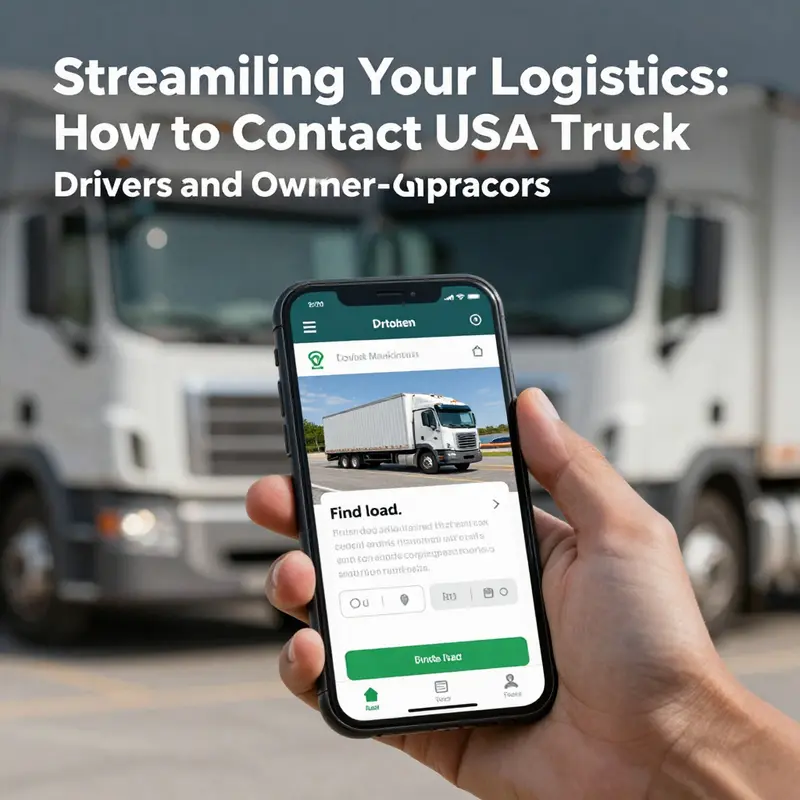
The logistics landscape has shifted from paper ledgers and phone tag to a digital cockpit where shippers, owner-operators, and dispatch services collaborate in real time. For someone looking to move freight across the United States, the first hurdle isn’t finding a truck—it’s reaching the right operator at the right time. Modern contact points hinge on mobility, immediacy, and trust. A shipper who understands this ecosystem approaches the task not as a one-off inquiry but as a continuous conversation that travels with the driver, the broker, and the dispatch platform. The core idea is simple: make it easy for a highly mobile, independently owned asset to say yes to your load, and make it just as easy for you to evaluate capacity, confirm terms, and track progress from pickup to delivery. The practical challenge, however, is less about discovering a driver and more about aligning your load details with the constraints and preferences of a dispersed network that operates on speed and reliability.
To contact owner-operators and dispatch services effectively, many shippers turn to dedicated dispatch platforms. These platforms function as digital marketplaces that bring together freight requirements and available carriers. They streamline the process of posting a load, specifying the pickup and delivery points, the equipment type, the required timelines, and the payment terms. In turn, qualified drivers and dispatch teams respond with bids or confirm availability. The value of such platforms lies not only in matchmaking but also in the transparency they offer: real-time status updates, direct messaging, and structured feedback on lanes, equipment, and service levels. For a shipper, this means you can rapidly compare options, assess each carrier’s reliability, and move toward a vetted agreement without lengthy back-and-forth. For the driver, it means access to a broader set of loads across the country, with the ability to accept profitable opportunities that fit their current equipment and duty schedule. The result is a more fluid capacity market, where the friction that once slowed negotiations—phone trees, voicemail delays, and misaligned expectations—gradually dissolves into a stream of precise, timely interactions.
Beyond the platform-driven approach, working with a freight broker or a logistics company remains a robust path to capacity. Brokers act as intermediaries who curate a portfolio of qualified owner-operators and small fleets, manage the load-matching process, and handle dispatching and payments. This arrangement can be especially advantageous when a shipment has tricky routing, specialized equipment needs, or tight delivery windows. A broker brings leverage through established relationships, risk assessment, and compliance checks. They can pre-qualify drivers, verify insurance and safety credentials, and move a load through the necessary lanes with predictable handling. The downside is that the process may involve additional layers of negotiation and a different fee structure, which means clarity from the outset about rates, accessorials, and payment terms is essential. Even in this context, the principle remains the same: reduce the search friction, accelerate the booking, and ensure both sides have a clear, mutual understanding of expectations. In practice, many shippers find that pairing a primary dispatch platform with a trusted broker creates a resilient backbone for their freight program—one that can quickly adapt to shifting demand, fuel price fluctuations, and seasonal capacity swings.
Another pillar in this ecosystem is the network of owner-operator associations and industry groups. These bodies offer resources that help carriers connect with shippers, learn best practices for dispatching, and stay informed about compliance and safety standards. They also often provide targeted matchmaking tools, member directories, and events or forums where drivers can meet potential customers in a structured setting. For a shipper, engaging with these associations can yield access to vetted, trusted operators who share a code of professionalism and adherence to industry norms. The value extends beyond individual loads; it builds a long-term capacity channel based on trust, shared standards, and mutual advocacy. For owner-operators, involvement with associations translates into greater visibility, consistent opportunities, and access to educational resources that sharpen dispatch skills and fleet management know-how. In a market that prizes reliability as much as price, these connections can be the differentiator between a sporadic shipment and a steady stream of well-coordinated crossings.
Mobile apps and real-time tracking tools round out the modern contact toolkit in a way that makes engagement instantaneous. These apps are not merely digital dashboards; they become the primary channel through which dispatchers, brokers, and drivers communicate. From the shipper’s side, posting a load through a mobile interface means conditions and requirements can be shared in seconds, with the app routing the opportunity to the most suitable drivers based on equipment, mileage, and past performance. On the driver’s side, a single tap can reveal a curated set of loads, the terms, and the route, with direct in-app messaging to the dispatcher to confirm availability or negotiate details. AI-assisted dispatch features can even pre-screen potential carriers, verify lane viability, and push only the most compatible matches, saving time and reducing deadhead. Fuel discounts and faster payment options become tangible benefits when drivers move with the load in hand, helping them decide to prioritize your shipment over others in a congested market. This alignment of incentives—speed for the shipper, profitability and stability for the operator—creates a more efficient, more predictable freight process. Yet as powerful as these tools are, success hinges on disciplined data hygiene: accurate load details, current contact information, and transparent terms.
There is also a strategic layer to the contact approach: how you frame a load and how you set expectations. A well-constructed load post helps drivers and dispatch teams quickly assess fit. Clear origin and destination details, precise equipment needs, compatible appointment windows, and honest notes about accessorial charges anchored in real-world practice prevent conflicts later in the move. Likewise, establishing simple, consistent payment terms—whether it’s immediate settlement, short terms, or milestone-based plans—removes a common sticking point that can sour relationships before a single mile is driven. In the broader marketplace, operators favor loads that come with predictable cash flow and well-managed admin. Conversely, shippers who supply prompt, accurate, and professional information increase their likelihood of securing reliable capacity, even during peak seasons when demand spikes and capacity tightens across the country. The practice of open, direct communications—supported by the right mix of platforms, brokers, and associations—builds not just a single successful shipment but a foundation for repeat business and enduring partnerships.
For readers seeking broader context on the market factors that influence driver availability, the chapter can connect to a broader narrative on industry trends through targeted analysis, which you can explore here: Key Economic Trends Impacting the Trucking Industry. This link points to a synthesis of market dynamics, capacity shifts, and the evolving expectations from both shippers and carriers. The aim is not to suggest a single path but to illuminate the range of options that empower you to assemble a reliable network of owner-operators and dispatch partners throughout the United States.
In practice, the strongest contact strategy blends several channels. Start with a robust, neutral load-posting approach on a comprehensive platform that aggregates capacity across regions. Layer in relationships with reputable brokers who can pre-qualify and vet candidates for your lanes. Attend or participate in association events to meet operators face-to-face and validate credentials beyond what a digital profile can convey. Then, equip your dispatch workflow with mobile tools that enable real-time updates, direct messaging, and flexible payment terms. When you combine these elements, you create a contact ecology that respects the realities of independent operators—their freedom to choose loads, their preference for prompt communication, and their need for straightforward, reliable terms. The result is not just faster bookings but stronger, long-lasting capacity that can adapt to volatility in fuel prices, regulatory changes, and the rhythms of cross-country travel.
As the chapter moves forward, the focus remains on translating these contact strategies into tangible outcomes. The next step is to translate platform capabilities and broker workflows into a concrete operating cadence: posting loads with precision, vetting carriers with a consistent set of checks, and maintaining open channels of communication that support quick approvals and accurate, on-time deliveries. In this sense, the digital tools discussed here are not replacements for human judgment but enablers of better judgment—reducing the friction that has long slowed down capacity procurement while preserving the nuance that only experienced dispatch teams can provide. The most successful contact strategy respects the realities of a mobile, on-demand economy where trucks, drivers, and dispatchers operate across time zones, weather patterns, and shifting carrier incentives. It treats every load as a negotiation that benefits from clarity, responsiveness, and a shared commitment to on-time performance. With these principles in place, the path to securing dependable USA-based owner-operators and dispatch services becomes less about chasing a single available truck and more about building a dynamic network that can scale with demand while maintaining the integrity of rates, routes, and relationships. For readers who want to explore more about market dynamics, the linked resource provides a broader lens on the economic undercurrents shaping capacity and pricing across the trucking landscape. External resource: https://www.dat.com
Connecting with U.S. Truck Drivers and Dispatch Services: Practical Pathways to Reach Owner-Operators
When a shipper needs reliable movement of freight across vast distances, the real challenge is not just finding drivers but building a workflow that respects the realities of a mobile, regulated, and tightly scheduled industry. In the United States, owner-operators and small fleets operate within a dense ecosystem of dispatch services, platforms, associations, and mobile tools. A cohesive approach to contacting and engaging these stakeholders requires more than a single call or a one-off email. It asks for a deliberate strategy that blends technology with human judgment, honors hours-of-service constraints, and preserves the integrity of every load in a highly competitive market. The starting point is recognizing the value of dedicated dispatch platforms as the central nervous system of modern freight—networks that connect shippers with vetted drivers, coordinate routing, and enable real-time updates. These platforms do more than match loads; they standardize the flow of information, provide transparent contact channels, and reduce the friction that once slowed negotiations. In practice, engaging with owner-operators through a reputable dispatch platform means posting a load with clear parameters and waiting for drivers or dispatch teams to respond with bids, timelines, and provisions. The most effective models are not beholden to a single company or interface; they aggregate capacity across regions, equipment types, and credentialing requirements. Although brand names color the landscape, the underlying principle remains: reliable contact is built on accessible data, consistent communication, and a platform that supports direct, accountable exchanges between shipper and driver. From there, several complementary routes reinforce the outreach strategy without duplicating effort. Freight brokers and logistics companies act as intermediaries who can expedite access to a broad network of owner-operators. They bring seasoned knowledge of rate structures, documentation needs, and regulatory constraints, and they offer quotes, scheduling, and payment processing as part of a managed service. The advantage for shippers is not simply speed but risk management. Brokers perform due diligence, vet carriers, and help prevent mismatches that can lead to delays or compliance issues. For some loads, a hybrid approach works best: leverage a dispatch platform for fast, transparent bids, then engage a broker to negotiate terms or handle complex documentation and insurance verification. An equally important channel is the network of industry associations that serve as trusted sources of driver connections and best practices. The Owner-Operator Independent Drivers Association, and other associations focused on private fleets or independent operators, provide resources, matchmaking tools, and forums where dispatch criteria can be clarified and refined. These organizations can be especially valuable for shippers entering new markets or seeking contingency plans in peak season when capacity tightens. Beyond platforms and brokers, practical outreach is enhanced by direct, contemporary tools that many owner-operators already use daily. Mobile apps and real-time tracking systems have become the lingua franca of understanding a load’s progress, anticipated delivery windows, and any exceptions that can ripple through a schedule. Apps that help drivers locate loads, plan routes, and check fuel levels are common in the day-to-day rhythm of trucking. When you coordinate through these tools, your message should be crafted for a quick, efficient read. Be explicit about pickup and delivery points, load specifics such as weight and compliance needs, the precise rate or range, and any required documentation—think brokered paperwork, rate confirmations, and insurance certificates. Clarity reduces back-and-forth, speeds decision-making, and helps drivers determine early whether a load fits within their current routes and duty cycles. It is equally vital to align contact methods with driver preferences. Some operators prefer direct calls or fast-text messages, while others rely on dispatch portals with threaded conversations. Confirm preferred channels at the outset and honor them. Practically, this means a standardized but flexible outreach script that includes who you are, what you want, where the freight goes, the expected timing, and the critical constraints. A driver or dispatcher should never have to guess what you mean by “a truck soon.” The more precise you are about pickup windows, required credentials, surcharges, layovers, detention, and accessorials, the more productive the dialogue becomes. When you communicate about compensation, be transparent about the base rate, any accessorials, and the basis for adjustments if the route changes due to weather, detours, or new regulatory obligations. The industry’s working reality is that hours of service (HOS) regulations govern when a driver can operate, rest, and be on the clock. This constraint is not negotiable. A well-structured outreach plan respects HOS by proposing windows that align with legal limits and rest periods. It reduces the likelihood of late arrivals, unpaid detention, or scheduling conflicts that degrade trust and increase the risk of failed pickups. As a matter of practice, verify the dispatch authority before booking through a third party. Some owner-operators work with independent dispatchers who do not possess the authority to finalize a load without explicit confirmation from the driver. In other cases, dispatch services operate with explicit contracts that authorize load bookings on behalf of the driver. Clarity about who has the final say—and how payments flow—prevents miscommunications and potential scams. This is a core risk management step that saves both sides time and money. Maintaining a professional tone across all interactions reinforces reliability and accountability. A concise, respectful voice in emails and messages communicates professionalism and reduces ambiguity. Documentation should be thorough and stored in a shared, auditable channel. Messages should include load details, bid terms, contact points, and a clear timeline for responses. Keeping a paper trail helps resolve disputes and supports timely payments, while also providing a historical record for future engagements. Technology-enhanced coordination can streamline this entire process. In addition to dispatch platforms, industry-grade tools offer fleet management features that extend beyond simple load posting. These tools enable direct driver communication, load status updates, and compliance checks in real time. They can be used to confirm acceptance, track progress, and provide automatic reminders for required documents or status changes. The objective is a frictionless loop: the shipper posts, drivers bid, dispatch services broker terms if needed, and the platform delivers continuous visibility through to delivery, with all actions timestamped for accountability. The approach described here benefits not only large shippers but also smaller operators who want fair access to freight. Modern networks balance demand with capacity by aligning load details to the specific capabilities of owner-operators—whether regional, long-haul, or specialized equipment. In this ecosystem, trust grows when information is consistent, contacts are readily accessible, and the path from load offer to actual movement is short. A practical pointer that emerges from this approach is to weave in a lightweight, industry-aligned reference to broader market shifts. For those who want to understand the wider forces shaping capacity and pricing, explore the key economic trends impacting the trucking industry such as capacity cycles, fuel costs, and regulatory developments in the linked resource. The idea is not to overwhelm the process with analysis but to offer a context that informs timing and expectations. For readers who want a concise reference to these shifts, the discussion around industry dynamics can be found in deeper trend analyses such as the one available at key-economic-trends-impacting-the-trucking-industry. This cross-reference helps ensure your outreach strategy remains grounded in current realities without sacrificing speed or reliability. In practice, the most effective outreach combines three pillars: accessible contact channels, precise load details and expectations, and respect for the human and regulatory constraints that govern trucking. The aim is a sustainable workflow where drivers feel respected, dispatch services operate with legitimacy and clarity, and shippers gain timely, transparent, and cost-effective service. A successful engage- ment strategy is not a one-off contact but a disciplined cycle of posting, bidding, validating, confirming, and delivering. When implemented well, it becomes a repeatable, scalable process that strengthens partnerships across regions and seasons. Finally, a nod to the broader governance of the industry can be found in the guidelines published by leading trade associations. These sources offer practical reminders about safety, compliance, and professional conduct that underpin effective communications with drivers and dispatch networks. External resource: https://www.trucking.org
Final thoughts
In conclusion, effectively contacting USA truck drivers and owner-operators can dramatically improve your logistics efficiency and contribute to successful business operations. By leveraging the right platforms, collaborating with freight brokers, engaging with owner-operator associations, and utilizing mobile apps, you can streamline your communication and achieve timely transportation. Adopt these best practices to enhance your logistics capabilities and foster lasting relationships with independent truck drivers across the country.