

In the rapidly evolving landscape of fleet management, the interplay between advanced digital tools and human expertise is growing increasingly significant. While technology offers unparalleled efficiencies and capabilities, it cannot replace the irreplaceable value that people bring to the table. The cornerstone of effective fleet operations extends beyond automation and artificial intelligence; it relies on nurturing a skilled workforce that can adapt and thrive in a technology-driven environment.
As industry leaders highlight, investing in people is not merely a trend but a necessity for companies that aim to foster a culture of continuous improvement and growth. Here, we explore the critical tension between embracing innovative technologies and prioritizing human interaction, setting the stage for a deeper understanding of how to harmonize these elements to drive success in fleet management.
By recognizing and addressing this balance, businesses can create a resilient framework that not only meets the demands of the present but also prepares for the future challenges of the industry.
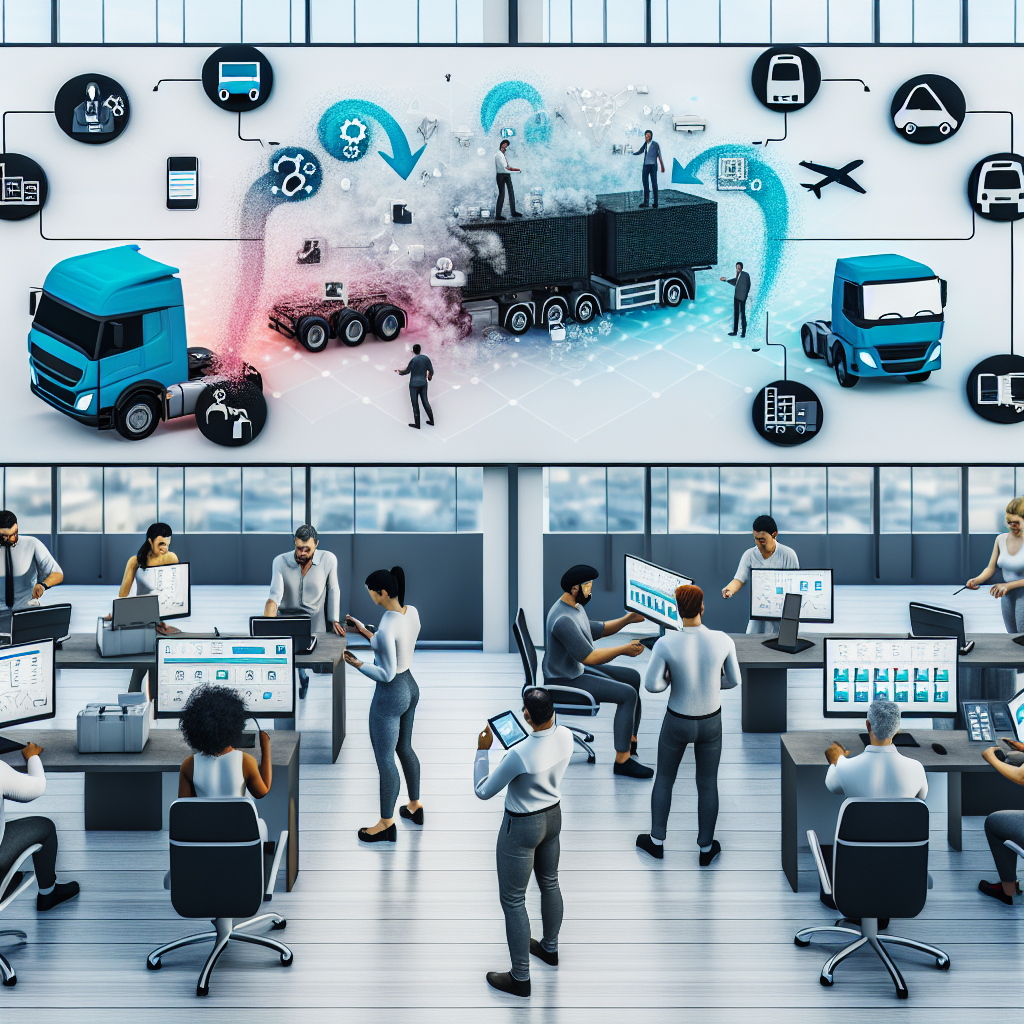
The Value of Human Interaction
In the realm of fleet management, the importance of human interaction cannot be overstated. While digital tools and automation offer efficiency and data-driven insights, more than 30% of customers still prefer communicating through phone calls. This preference illustrates a fundamental truth: human touch remains essential in delivering high-quality customer service. Customers often seek personalized attention, reassurance, and understanding—elements that can be difficult to replicate through automated systems alone.
Jason Belgrave emphasizes this point when he states, “But it’s really about redeploying people into higher-value work.” What this implies is that by investing in people, organizations can enhance their operational capacity significantly. Rather than solely focusing on automating tasks, companies should prioritize training their workforce to handle complex customer interactions that require empathy, problem-solving, and nuanced decision-making.
Furthermore, the integration of human resources with digital tools fosters an environment where employees can effectively leverage technology while still engaging with customers on a personal level. This hybrid approach not only bolsters employee morale but also cultivates a workplace culture that values relationships alongside innovation.
Additionally, adopting a people-first strategy allows for cross-training opportunities, enabling employees to develop versatile skills that cater to both technology and customer interface. This adaptability enhances the overall efficiency of fleet operations, ensuring that every team member is equipped to manage tasks that require both human insight and technological support. As the industry evolves, balancing the synergy between human interaction and digital capabilities will be crucial to maintaining a competitive edge.
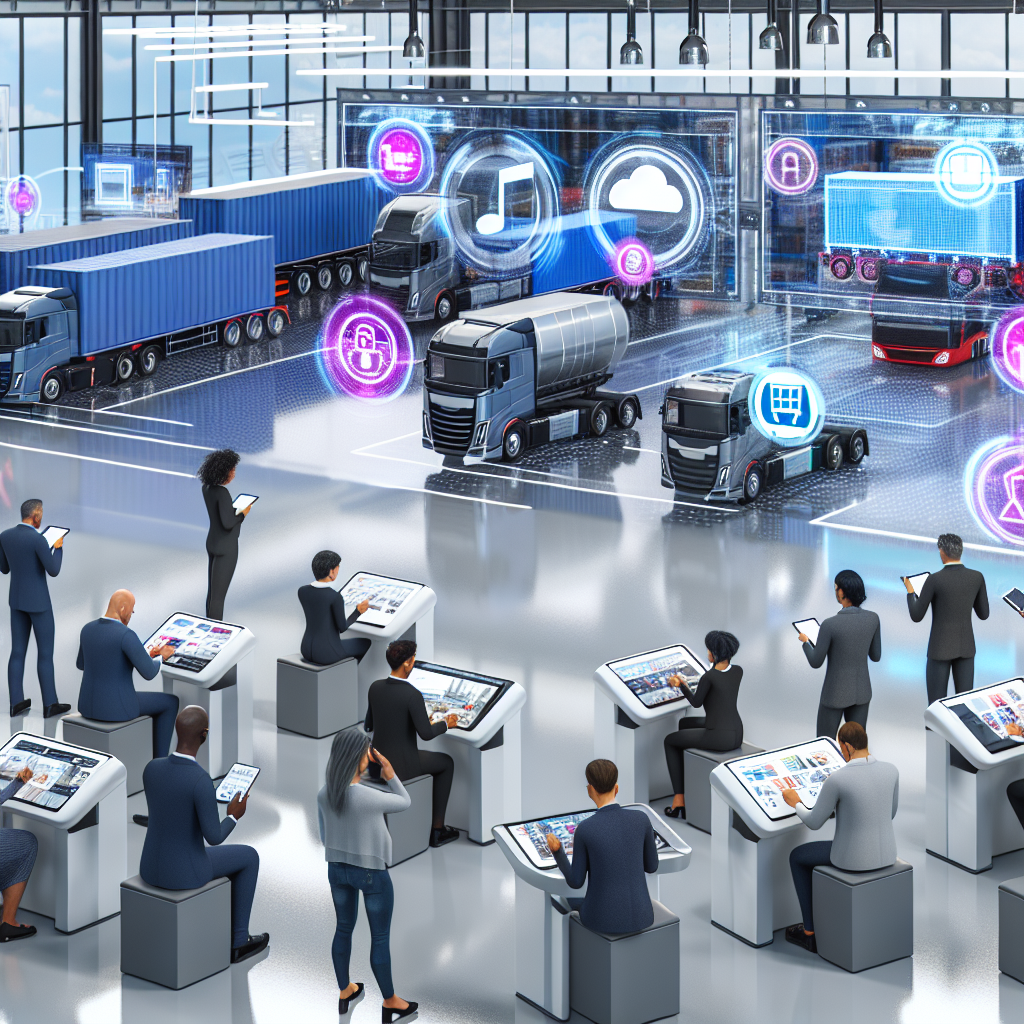
Recent advancements in fleet management training have centered around leveraging automation and digital tools to streamline processes and reduce training durations significantly. Notably, Purolator has established a benchmark by successfully reducing its training time from weeks to just a few hours through innovative technologies and training methodologies.
Automating routine training tasks allows instructors to focus on high-value interactions with trainees, thus enhancing the learning experience. Additionally, companies like TFI International and Innocon are adopting similar strategies by incorporating simulation-based learning and artificial intelligence into their training programs. This shift not only accelerates the onboarding process but also improves the retention of crucial operational knowledge among employees.
Emphasizing automation in training equips staff with the skills they need faster, ensuring they can adapt to an increasingly digital workplace without compromising the quality of service.
| Company | People-First Strategies | Specific Practices Adopted |
|---|---|---|
| Innocon | Cross-Training | Three-month rotations for employees to gain diverse skills |
| TFI | Flexible Work Policies | Implementing work-from-home options for better work-life balance |
| Purolator | Accelerated Training Programs | Reduced training time from weeks to hours using automation |
| Preferred Towing | Employee Wellness Programs | Psychological support and mental health days offered to all employees |
| Women’s Trucking Federation of Canada | Diversity and Inclusion Initiatives | Programs aimed at increasing representation and supporting female drivers |
| Professional Towing Association of Ontario | Networking and Support Groups | Regular events that facilitate connection among peers in the industry |
Workforce Development in Fleet Management
The Benefits of Cross-Training in Organizations
Cross-training in the workplace emerges as a powerful strategy that offers a wide array of benefits, both for organizations and their employees. Among its many advantages, enhancing employee morale and fostering a positive workplace culture stand out as critical outcomes easily illustrated by Innocon’s innovative approach through its three-month rotation program.
At Innocon, employees rotate through various departments—such as research and development, marketing, and operations—every three months. This not only allows team members to gain diverse skill sets but significantly boosts their understanding of the business as a whole. As a result, employees experience greater job satisfaction and feel more engaged with their work. Research indicates that organizations implementing such cross-training initiatives report up to 25% higher satisfaction scores among their staff.
In addition to improving morale, cross-training helps create a more resilient workforce. Employees who are trained in multiple roles are better equipped to handle challenges and changes within the organization. This versatility promotes collaboration and teamwork, as employees develop deeper empathy for their colleagues’ responsibilities. For example, Innocon employees who participated in the rotation program showed a 40% increase in inter-departmental collaboration, which not only improved productivity but also helped to break down silos within the company.
Moreover, embracing cross-training cultivates a culture of continuous learning, where employees feel valued and recognized for their contributions. This sense of belonging can lead to elevated retention rates, with companies reporting a 35% increase in employee loyalty and commitment to their organization. By providing opportunities for growth through cross-training, organizations can reduce monotony, lessen burnout, and support their employees in developing a diverse skill set that enhances overall job security.
In summary, the benefits of cross-training extend far beyond mere skill enhancement. Organizations like Innocon exemplify how strategic cross-training programs can transform workplace culture, increase employee morale, and ultimately lead to improved organizational effectiveness. As the landscape of work continues to evolve, prioritizing employee development through workforce development in fleet management will be crucial for maintaining a competitive edge in the industry.
Conclusion
In the ever-evolving landscape of fleet management, the integration of cutting-edge technology and a people-first strategy is no longer optional; it is imperative. As industry leaders like Kristen Fess and Gary Vandenheuvel emphasize, investing in people is crucial for long-term success. Fess asserts, “When you put your people first, everything else falls into place—safety, efficiency, and overall performance improve naturally.” This insight underscores that a workforce equipped with the right skills and morale directly contributes to a company’s overall efficacy and adaptability.
Vandenheuvel echoes this sentiment, stating, “The future of fleet management isn’t just about technology; it’s about how we support our teams through change.” His perspective highlights the significance of continuous training and development, advocating for a workforce that can swiftly adapt to new challenges and technological advancements. Fleet management cannot rely solely on the latest tools; the human element remains vital in navigating the complexities of the industry.
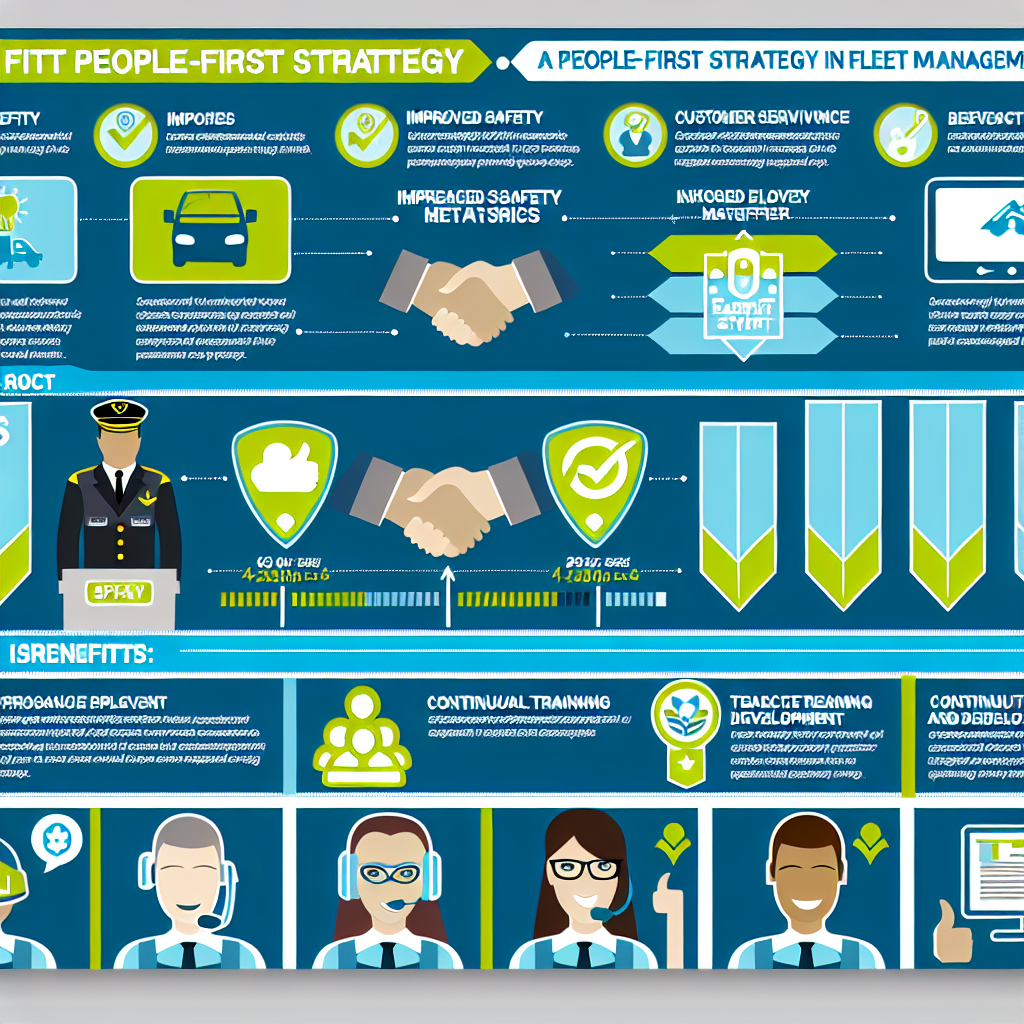
As companies begin to embrace a more holistic approach that intertwines technological advancements with workforce engagement, they will likely see tangible benefits. These include improved safety metrics, enhanced customer service, and elevated employee satisfaction. Indeed, the fleets that thrive will be those that prioritize their people alongside technological investments, fostering a culture of resilience and innovation. A people-first strategy is not merely a trend; it is a sustainable path toward success in a rapidly changing environment.

Generational Shifts in Workforce
The trucking and fleet management sectors are experiencing profound changes as demographic shifts shape workplace culture and expectations. Different generations—Baby Boomers, Generation X, Millennials, and Generation Z—bring distinct values and communication styles that influence company dynamics.
Baby Boomers (born 1946-1964) tend to prioritize job stability, seniority, and traditional communication methods, primarily favoring phone calls for interactions. A 2023 study indicated that 80% of Baby Boomers prefer this approach when contacting supervisors or dispatchers. They often value established training regimes and hands-on experience, seeing less need for digital tools. Their experience is critical, particularly in senior driving positions and management, where they make up a significant portion of the workforce.
Generation X (born 1965-1980), who represent 45% of fleet management roles, often serve as bridges between the older and younger generations. They are more adaptable to technology than Baby Boomers, readily using digital tools while still appreciating face-to-face communication. This generation typically seeks a balance between technological advancements and established practices, thereby creating a cohesive work environment where both perspectives are valued.
Millennials (born 1981-1996) and Generation Z (born 1997 onward) are reshaping the industry’s expectations through a strong preference for technology-driven workflows. Surveys indicate that 58% of these younger professionals prioritize technology integration when choosing an employer, in contrast to only 22% of Baby Boomers. They are also considerably more likely to engage with digital training platforms. Notably, Millennials and Gen Z are three times more inclined to adopt mobile communication apps compared to their older counterparts, as 62% of Gen Z expect real-time feedback through these platforms, highlighting a shift in communication styles.
Training preferences further demonstrate generational divides; 67% of younger drivers favor microlearning modules over extensive manuals, while older generations prefer structured learning. Companies like TFI International and Purolator that incorporate digital training see increased employee satisfaction and retention rates among their younger workforce. Moreover, 70% of younger drivers express interest in mentorship programs that combine in-person and virtual training, showcasing their desire for more integrative learning approaches.
In summary, the generational shifts evident in trucking and fleet management are not merely a matter of numbers; they redefine workplace culture, expectations, and communication styles. As companies strive to attract and retain talent across these varied age groups, they must adopt tailored strategies to meet the diverse needs and preferences of their workforce.
Training Innovations in Fleet Management
Recent advancements in fleet management training focus significantly on leveraging automation and digital tools to streamline processes and drastically reduce training durations. One standout example is Purolator, which has established a benchmark by reducing its standard training time from weeks to just a few hours through innovative technologies and effective training methodologies. By automating routine training tasks, instructors are able to focus on high-value interactions with trainees, which enhances the overall learning experience. This shift is supported by tools such as virtual reality (VR) simulations that create immersive training environments, allowing new employees to experience potential scenarios they may face on the job in a safe, controlled setting.
Additionally, companies like TFI International and Innocon have begun adopting similar strategies by integrating simulation-based learning and artificial intelligence into their training programs. TFI, for instance, utilizes AI-driven analytics to assess the effectiveness of their training materials in real-time, allowing for continuous updates and improvements in line with industry trends. This approach not only accelerates the onboarding process but also enhances the retention of crucial operational knowledge among employees.
Impact of Innovations on Employees and Service
Innovative training tactics equip staff with the necessary skills to adapt to an increasingly digital workplace without sacrificing service quality. Employees who receive effective training work more confidently, which is reflected in better customer service ratings. According to a recent survey by the Professional Towing Association of Ontario, firms that have embraced advanced training methods noted a 30% increase in satisfaction rates from their clientele. This improvement can be attributed to the heightened competence and readiness of employees trained under these new methodologies.
Moreover, the incorporation of gamification strategies in training programs—like those employed by Preferred Towing—further illustrates technological integration in employee development. By turning standardized training tasks into engaging, competitive activities, companies can motivate participants and enhance knowledge retention, ultimately leading to a more skilled workforce. Gamified training helps in building a culture of learning and adaptability where employees feel more invested and recognized in their professional growth.
Generational Shifts in Workforce
The trucking and fleet management sectors are currently undergoing profound transformations as shifting demographics continue to shape workplace culture and employee expectations. Different generations—including Baby Boomers, Generation X, Millennials, and Generation Z—bring distinct values, skills, and communication styles that greatly influence company dynamics and operations. Understanding these variations is crucial for management when recruiting and training personnel.
Recruitment and Training Preferences
Baby Boomers, born between 1946 and 1964, tend to prioritize job stability, valuing seniority and traditional communication methods. Interestingly, a 2023 study revealed that 80% of Baby Boomers prefer using phones for interactions with supervisors or dispatchers, showcasing their preference for direct dialogue over a more digitized approach. They often emphasize established training regimes focused on hands-on experiences.
On the other hand, Generation X, representing about 45% of fleet management roles, serves as a crucial bridge between the older and younger demographics. This group is generally more adaptable to technology compared to Baby Boomers and usually seeks to balance established practices with technological innovation. Their dual approach helps create a harmonious work environment where different perspectives coexist.
Millennials and Generation Z are particularly reshaping the trucking industry with a strong emphasis on technology-driven workflows. Survey data suggests that 58% of these younger professionals prioritize tech integration when choosing an employer, which starkly contrasts with only 22% of Baby Boomers who share this view. This increasing inclination towards technology includes a preference for digital training platforms over extensive manuals, indicating a fundamental shift in how younger employees learn and adapt in the workplace. For instance, companies like TFI International that utilize digital training methods see higher satisfaction and retention rates among younger workers.
Workplace Interaction Dynamics
Surveys indicate that Millennials and Gen Z are three times more inclined to adopt mobile communication apps, with a significant 62% of Gen Z expecting real-time feedback through these platforms. Understanding these preferences equips management with insights to foster a more engaging environment for all generational segments. Furthermore, implementing mentorship programs blending digital and in-person training may support younger workers better and resolve the generational divide at the workplace. Such integrative learning approaches create opportunities for sharing knowledge across generations, enhancing collaboration overall.
In summary, the generational shifts evident in trucking and fleet management redefine workplace culture and communication styles. As organizations strive to attract and retain talent across these varying age groups, tailored strategies that cater to the diverse needs and preferences of their workforce will play a pivotal role in reducing turnover and enhancing overall company dynamics.
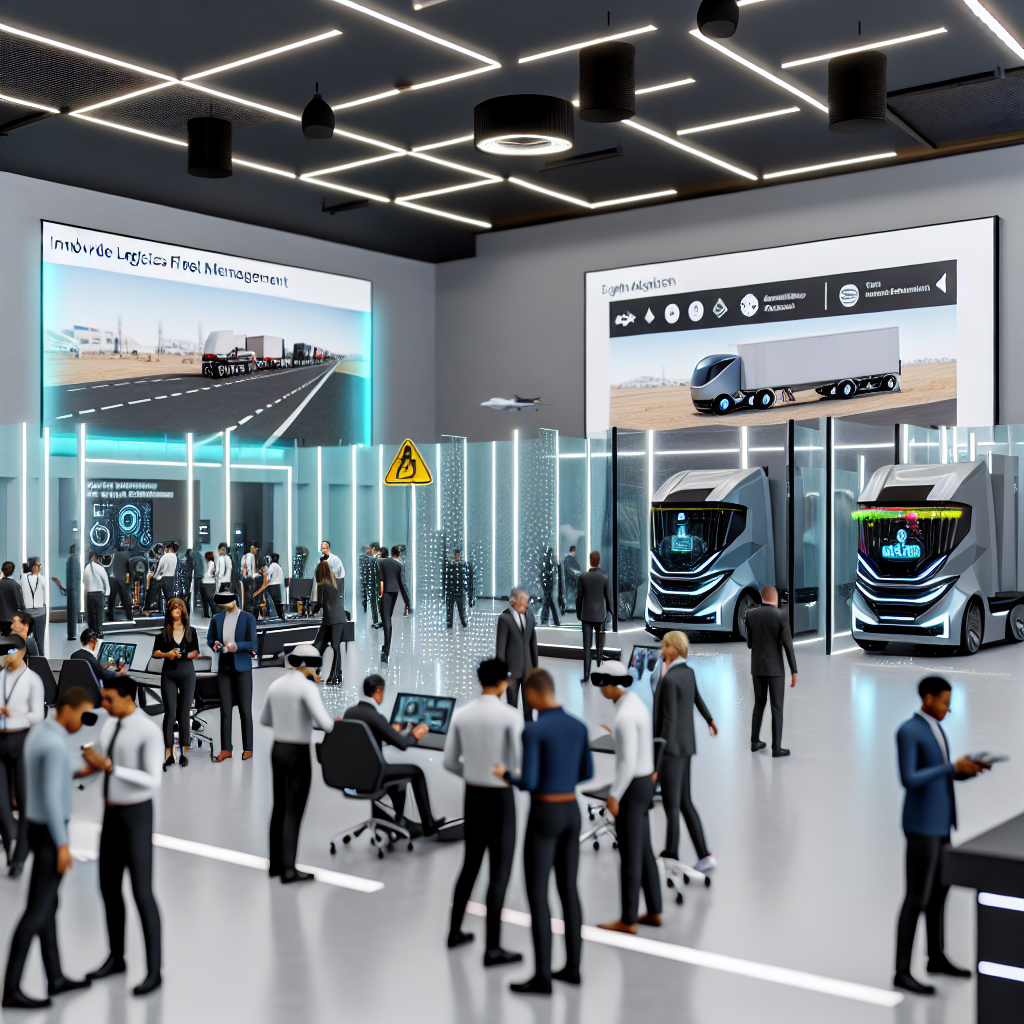
This image depicts innovative training methods integrated into fleet management, utilizing technologies like automation and virtual reality.
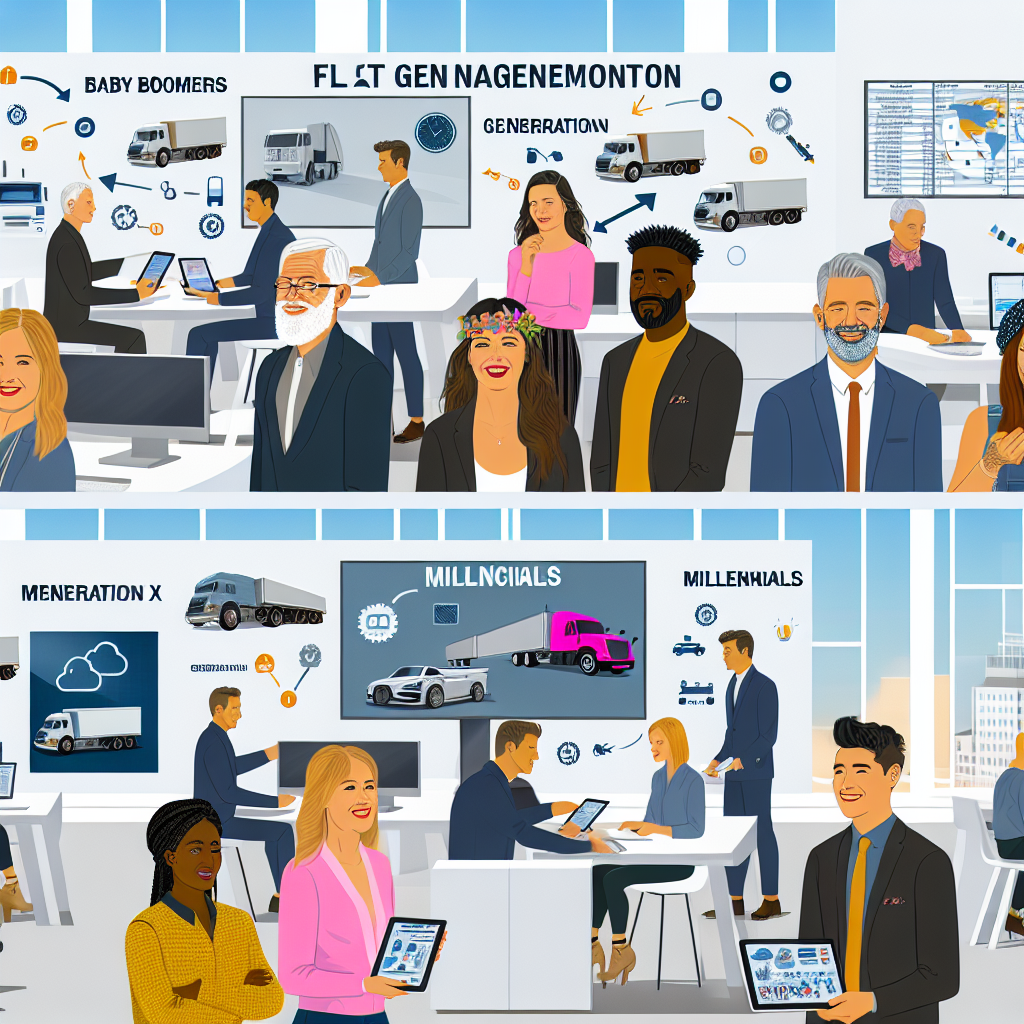
An illustration depicting the generational shifts within the workforce in fleet management, showcasing diverse characters representing Baby Boomers, Generation X, Millennials, and Generation Z collaborating in a fleet environment.
Case Study: UPS’s Augmented Reality Driver Training Program
UPS has made significant strides in enhancing its driver training program through the integration of Augmented Reality (AR) technology. This innovative approach overlays digital information onto real-world vehicles during training sessions, allowing new drivers to engage in immersive, hands-on learning experiences that bridge the gap between theory and practical application.
Training Innovations:
- Augmented Reality Training System: The system includes interactive simulations where drivers can visualize optimal routes and key driving strategies in a more engaging way.
- Enhanced Skill Development: This training method has been shown to improve route optimization skills by an impressive 35%, which is critical in the logistics industry where efficiency directly correlates to cost savings and customer satisfaction.
Operational Impact:
- Reduction in Training Accidents: The AR program contributed to a 52% reduction in accidents during the training phase, indicating that drivers were better prepared to handle real-world scenarios after their training.
- Streamlined Onboarding: Additionally, the program reduced the new driver onboarding time by three weeks, allowing UPS to ramp up its workforce more quickly in response to increased demand.
Customer Satisfaction:
- Maintaining High Delivery Standards: Despite the streamlined training process, UPS maintained a 98% customer satisfaction rating for on-time deliveries, illustrating that the training innovations did not compromise service quality.
This case exemplifies how training innovations can lead to safer, more efficient operational outcomes in fleet management while simultaneously enhancing customer satisfaction and operational performance.
References Supporting Generational Preferences in Workplace Communication and Training
- The Future of Trucking: Generational Shifts and Technology Adoption – American Transportation Research Institute, 2022-03-15. This research identifies significant generational differences in technology adoption and communication preferences among truck drivers.
- Generational Technology Preferences in Fleet Management Operations – National Private Truck Council, 2021-09-22. The study reveals that younger fleet managers prefer digital platforms, contrasting sharply with older generations’ preferences for traditional methods.
- Bridging the Generational Divide: Communication Technologies in Trucking – Transportation Research Board, 2023-01-10. This paper documents how different generations utilize communication technologies in trucking operations.
- 2023 Fleet Technology Adoption Report: Generational Analysis – Geotab, 2023-05-18. This analysis highlights the preferences of younger leadership in adopting innovative technologies at a faster pace.
- Generational Communication in the Workplace: Bridging the Gap – Pew Research Center, 2020-04-28. This research highlights the distinct communication preferences of various generations within the workforce.
- The Multigenerational Workforce: Communication Preferences and Training Needs – Harvard Business Review, 2019-07-15. The study reveals preferences regarding feedback, communication, and training methods across generations.
- Generational Differences in Workplace Communication and Training Effectiveness – SHRM, 2021-03-10. This source discusses how engagement rates and completion rates vary with different training methods among generations.
- Bridging the Generational Divide: Effective Communication and Training Strategies – McKinsey & Company, 2022-01-18. This research highlights the preferences for learning and communication styles among younger and older generations.