

The Truckload Carriers Association (TCA) is set to host its annual Bridging Border Barriers event on November 19 in Mississauga, Ontario. This event brings together key players in logistics and supply chain. It serves as a vital platform for discussing pressing cross-border regulatory issues affecting transportation efficiency and safety.
As globalization shapes trade dynamics, cooperation among industry stakeholders is more important than ever. Attendees will gain valuable insights from industry leaders, covering economic updates, regulatory changes, and industry risks. This event fosters dialogue among transportation professionals, ensuring that the industry can navigate the complexities of cross-border trade effectively.
2023 Regulatory Changes in the Cross-Border Trucking Industry
In 2023, the cross-border trucking industry has faced several significant regulatory changes that have substantial impacts on operations and logistics:
- Enhanced Border Inspections and Security Measures: The Texas Department of Public Safety has instituted mandatory safety inspections for all commercial trucks entering the U.S. from Mexico. This measure led to significant delays, with wait times at crossings like El Paso reaching up to 16 hours, which in turn affect trade and the Texas economy. Approximately 19,000 trucks experienced delays, affecting goods valued at least $1.9 billion.
- Tariff Increases and Trade Policy Shifts: Recent U.S. administration tariff policies, including a 50% duty on copper imports, are impacting global trade. Additionally, strict enforcement programs by U.S. Customs and Border Protection along with the Texas Department of Public Safety resulted in over 1,000 truck drivers losing their Commercial Driver’s Licenses, indicating heightened scrutiny of driver compliance.
- Implementation of the ‘Carta Porte’ Requirement: Mexico has introduced the ‘Carta Porte’ regulation, which requires detailed documentation for goods in transit. This new requirement aims to enhance transparency and combat smuggling but has added complexity to cross-border logistics as carriers must prepare accurate and comprehensive documentation to avoid penalties.
- Environmental Regulations and Emission Standards: New environmental initiatives such as the European Union’s Carbon Border Adjustment Mechanism (CBAM) now include a broader range of goods, imposing taxes based on carbon footprints. Canada, the UK, and Australia are adapting similar frameworks, necessitating precise tracking of emissions throughout the shipping process, which imposes an additional compliance burden on trucking operations.
- Digitalization and Automation of Customs Processes: The move toward digital customs processes has gained momentum, particularly with Mexico implementing digital driver’s licenses and sophisticated electronic documentation systems. Carriers who adopt these digital solutions experience reduced border crossing times, fewer errors in documentation, and improved real-time visibility of customs statuses.
These regulatory developments present complex challenges that demand compliance, increase operational costs, and necessitate strategic adjustments in cross-border trucking operations. Staying informed and adaptable is crucial for industry stakeholders to navigate this evolving landscape effectively.
| Region | Regulation Type | Implications | Best Practices |
|---|---|---|---|
| Ontario | Emission Standards | Increased operational costs; need for compliance with stricter emissions regulations. | Regular training on compliance and use of modern fleets. |
| Texas | Border Inspections | Significant delays in cross-border transport affecting supply chain efficiency. | Pre-inspection checks before crossing; strategic scheduling. |
| Mexico | Carta Porte Requirement | Increased documentation burden; risk of penalties for non-compliance. | Implement robust data management systems for paperwork. |
| California | Environmental Regulations | Additional costs due to taxes on carbon footprints; competitive disadvantage for higher emissions. | Adopt greener technologies and practices to minimize emissions. |
| New York | Digital Customs Processes | Enhances speed of transport but requires investment in technology. | Invest in digital solutions and staff training on new processes. |
Economic Update from TD Bank’s Arun Rebello
In a crucial session during the Truckload Carriers Association’s Bridging Border Barriers event, Arun Rebello, a prominent economist at TD Bank, provided essential insights into the current economic landscape and its implications for the trucking industry. His update emphasized several key economic trends that are shaping the industry landscape.
One of the significant highlights of Rebello’s presentation was the ongoing battle with inflation, which continues to exert pressure on operational costs for trucking companies. Increased fuel prices and rising labor costs have created a strain on profit margins for many operators. The situation is compounded by the interest rate hikes that have occurred over the past year, which not only affect financing conditions for truck purchases but also trickle down to impact the overall business climate.
The trucking industry has also seen fluctuations in shipping demand. Current analyses show a decrease in demand due to changing consumer habits and softened economic activity in key sectors, particularly housing and manufacturing. Lower freight volumes have led to a highly competitive landscape where some carriers struggle to maintain profitable operations amidst declining freight rates. Rebello pointed out this trend as a potential precursor to more significant adjustments in the market, including potential consolidation among carriers.
Moreover, Rebello noted the effects of regulatory policies on cross-border trucking activities. The recent implementation of stricter inspection protocols at borders, combined with evolving environmental regulations, complicates logistics planning and can lead to increased delays and costs at crossings. He highlighted that staying compliant with these regulations is no longer just a matter of adhering to the law; it is a critical aspect of maintaining competitive advantage in an increasingly regulatory-driven market.
Looking forward, Rebello remains cautiously optimistic yet realistic. He forecasted that while some recovery in demand may be expected in late 2024, companies in the trucking industry must invest strategically in technology and infrastructure to adapt to the evolving landscape. This includes embracing digital solutions for supply chain management that can enhance efficiency and compliance, responding to consumer demand shifts, and preparing for the air of uncertainty that still looms over international trading conditions.
In summary, Rebello’s insights provide valuable context not only for understanding the current economic state of the trucking industry but also for preparing for future challenges. As industry stakeholders take stock of these trends, it is clear that agility and innovation will be crucial for navigating the complex terrain ahead.
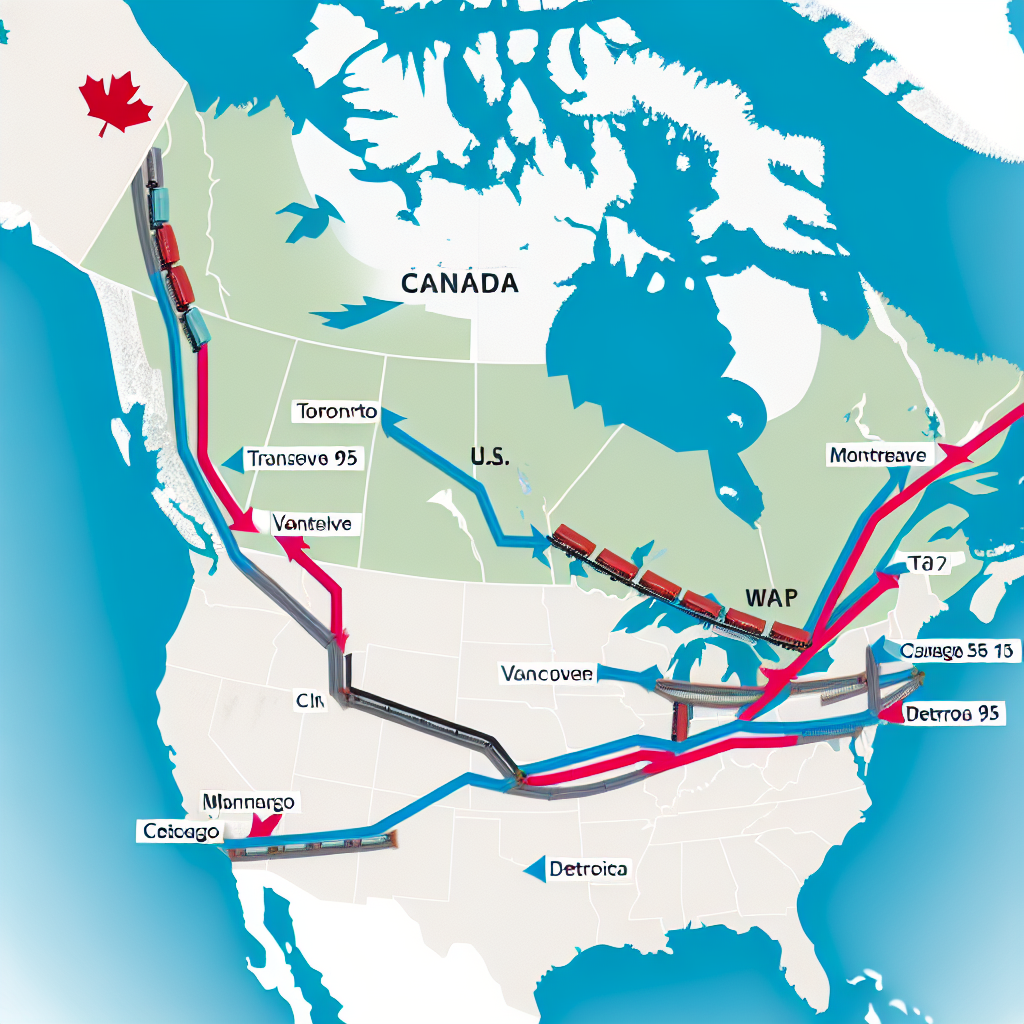
In the realm of cross-border logistics, the challenge of cargo theft prevention is a significant concern for trucking companies. As they operate across international borders, the complexity of regulatory environments and differing security standards can heighten the risk of cargo theft. Trucks often pass through multiple jurisdictions, each with its own protocols, which can create gaps in security.
To effectively combat this issue, trucking companies must adopt robust preventive strategies. Implementing GPS tracking systems can help monitor cargo in real-time, allowing for quicker response times in case of theft. Additionally, collaboration with local law enforcement agencies can bolster security measures and facilitate quicker investigations. Comprehensive training programs for drivers are also crucial, equipping them with the knowledge to recognize suspicious activities and to follow best practices for securing cargo.
Ultimately, robust cargo theft prevention is essential not only for the protection of valuable goods but also for maintaining the financial viability and reputation of trucking companies involved in international trade.
“In today’s dynamic trucking environment, staying informed about regulatory updates is not just beneficial, it’s imperative. Our ability to adapt to new mandates and engage proactively with regulators determines our industry’s resilience and reliability.”
Conclusion
As we draw our discussion to a close, it is clear that the themes presented during the Truckload Carriers Association’s Bridging Border Barriers event are not just relevant but crucial to the resilience of the trucking industry. This event brought to light the immediate and pressing regulatory challenges faced in cross-border trade, highlighting the importance of collaboration among industry stakeholders. Leaders like David Heller and Arun Rebello provided insights that underscore the evolving landscape in which we operate, marked by changing regulations, economic pressures, and technological advancements.
Navigating these complexities requires not only awareness but also proactive engagement from all of us in the industry. It is essential that we foster ongoing discussions, share best practices, and collectively seek solutions that enhance our operations and safeguard our interests. By participating in these dialogues, whether through formal events or informal networks, we can contribute to shaping the future of cross-border logistics.
We encourage you to get involved, voice your experiences, and help drive the conversation about the pressing issues impacting our industry. Together, we can pave the way for a more efficient, secure, and resilient trucking environment that supports the global economy. Let’s continue to bridge these barriers and take an active role in advocating for the trucking industry’s future.
The Role of Technology in Shaping Cross-Border Regulations and Logistics
Emerging technologies, particularly autonomous vehicles (AVs), are transforming the landscape of cross-border logistics and regulatory frameworks. As AVs gain traction in the trucking industry, they promise enhanced efficiency and safety, leading to necessary shifts in existing regulatory structures.
Regulatory Discrepancies and Necessity for Harmonization
Currently, the integration of autonomous vehicles into cross-border trucking presents opportunities as well as challenges, especially regarding the need for regulatory harmonization. The absence of a unified framework creates complexities; inconsistent national laws and varying standards can hinder mobility, increase legal uncertainties, and raise operational costs due to the need for adaptable onboard systems. The G7 Declaration on Automated and Connected Driving in 2015 highlighted that the full potential of AV technologies cannot be reached without regulatory alignment among nations.
State-Level Variations in the U.S.
In the United States, the deployment of AVs is complicated by a patchwork of state-level regulations. While states like Texas have embraced legislation favoring autonomous trucking, others enforce more restrictive measures. This inconsistency is a barrier to the widespread adoption of AVs across state lines, thereby impacting cross-border logistics.
Federal Initiatives for Standardization
To tackle these inconsistencies, federal initiatives are on the rise. The AMERICA DRIVES Act, introduced in July 2025, aims to lay down a national framework for autonomous vehicle trucking, preemptively addressing state regulations to avoid fragmentation of the regulatory landscape. This can allow for more streamlined and efficient cross-border operations.
Technological Innovations for Compliance
Technologies such as blockchain have emerged as potential solutions to enhance compliance processes in cross-border trucking. A proposed blockchain-enabled approach seeks to create a globally recognized, decentralized framework that ensures the security and trustworthiness of AI systems. This innovation could simplify compliance and minimize legal uncertainties within cross-border logistics.
Cybersecurity Concerns
The Owner-Operator Independent Drivers Association (OOIDA) has voiced concerns regarding the cybersecurity risks associated with autonomous trucking technologies, particularly the potential vulnerabilities from sourcing components from foreign entities. Establishing stringent cybersecurity measures will be crucial to addressing these challenges and ensuring the safety and reliability of AV operations.
Summary
In conclusion, while autonomous vehicles signify promising advancements for cross-border logistics, the seamless integration of these technologies into the regulatory framework will be crucial. Achieving this requires harmonization of regulations, introduction of technological innovations for compliance, and robust cybersecurity measures to address the multifarious challenges of this evolving industry landscape.
Recent developments regarding autonomous trucking include:
- California proposes allowing testing of self-driving heavy-duty trucks, Published on Friday, April 25
- Autonomous trucking company sues over 1970s safety rules, Published on Friday, January 10
- US agency to ease self-driving vehicle deployment hurdles, retain reporting rules, Published on Thursday, April 24
User Adoption of Technology in the Trucking Industry and Its Impact on Regulatory Compliance
The trucking industry is rapidly adopting emerging technologies to enhance operational efficiency and ensure compliance with cross-border regulations.
Autonomous Vehicles
As of 2023, 22% of freight transport utilizes autonomous vehicles, with projections indicating that AI-enabled autonomous trucks will account for 11% of freight deliveries by 2030. Companies like Aurora Innovation are integrating self-driving platforms into transportation management systems, facilitating the management of autonomous shipments.
Digital Documentation
The adoption of digital tools is widespread, with 73% of trucking companies implementing such technologies to improve fleet management. Additionally, 55% of drivers prefer using digital platforms for route navigation, and 52% utilize mobile apps for compliance and reporting. These digital solutions streamline cross-border operations by ensuring accurate and timely documentation, thereby enhancing regulatory compliance.
Cybersecurity Measures
With the increasing digitalization of the industry, 55% of trucking firms are investing in cybersecurity measures to protect digital assets. AI-based safety alerts have prevented over 10,000 accidents annually, and AI tools have reduced regulatory violations by 25%. These measures are crucial for maintaining compliance with international regulations and safeguarding sensitive data during cross-border operations.
In summary, the trucking industry’s embrace of autonomous vehicles, digital documentation, and robust cybersecurity measures is significantly enhancing operational efficiency and ensuring adherence to cross-border regulatory requirements.
Navigating Cross-Border Regulatory Challenges in Trucking
SEO Optimization for Cross-Border Regulatory Issues
In every facet of the trucking industry, cross-border regulatory issues play a pivotal role in shaping business operations and compliance norms. As stakeholders in international logistics gather for TCA’s Bridging Border Barriers event, it is crucial to focus on these issues for enhanced transportation efficiency and safety. Not only do regulations affect operational costs, but they also influence organizational strategies and overall market competitiveness.
The economic trends discussed during this event revolve around the day-to-day implications of cross-border regulations. Themes such as cargo theft prevention, risk management, and evolving federal regulations underline the need for thorough understanding and ongoing engagement. The integration of emerging technologies, particularly autonomous vehicles, further complicates compliance with current and future regulations in cross-border transportation.
Moreover, as the Truckload Carriers Association seeks to elevate dialogue around these pressing issues, stakeholders must be reminded of the importance of promoting best practices and strategizing around regulatory compliance. As laws evolve and adapt to new technologies, the necessity for continuous education and collaboration between regulatory bodies and the trucking community cannot be overstated.
In conclusion, to tackle cross-border regulatory challenges, industry players must focus on building resilient networks, investing in technology, and actively participating in conversations that shape the future of logistics and transportation. By doing so, they ensure a pathway toward an efficient, secure, and sustainable cross-border logistics framework.
Reiterating key points on cross-border regulatory issues will allow the trucking industry to navigate evolving challenges successfully. The industry’s collective input and responsive strategies will serve not only as a framework for operational success but also as a standard for regulatory engagement in the future.
The Truckload Carriers Association (TCA) is set to host its annual Bridging Border Barriers event on November 19 in Mississauga, Ontario. This event brings together key players in logistics and supply chains, serving as a vital platform for discussing pressing cross-border regulatory issues affecting transportation efficiency and safety.
As globalization shapes trade dynamics, cooperation among industry stakeholders is more important than ever. Attendees will gain valuable insights from industry leaders covering economic updates, regulatory changes, and industry risks. For context, recent changes highlighted the dire economic significance of regulatory policies. In 2022 alone, additional truck inspections mandated by Texas Governor Greg Abbott led to an estimated loss of nearly $9 billion in U.S. GDP over merely ten days, showcasing the profound impact these regulations can have on operational flows. This event fosters dialogue among transportation professionals, ensuring that the industry can navigate the complexities of cross-border trade effectively.
Regulatory Issues
In 2023, the cross-border trucking industry has faced several significant regulatory changes that have substantial impacts on operations and logistics:
- Enhanced Border Inspections and Security Measures: The Texas Department of Public Safety has instituted mandatory safety inspections for all commercial trucks entering the U.S. from Mexico. This measure led to significant delays; for instance, wait times at crossings like El Paso reached up to 16 hours. Approximately 19,000 trucks faced delays on an average day, affecting goods valued at least $1.9 billion, reminding stakeholders of the financial stakes implicated in these changes.
- Tariff Increases and Trade Policy Shifts: Recent U.S. administration tariff policies, including a 50% duty on copper imports, are impacting global trade. Anticipation of these tariffs has resulted in a surge in cross-border trucking rates, with spot rates for dry vans increasing by 18%, causing operational strain as companies hurry to adapt.
- Implementation of the ‘Carta Porte’ Requirement: In heralding a new era for carriers, Mexico’s introduction of the ‘Carta Porte’ regulation requires detailed documentation for goods in transit. While fostering transparency, it also introduces complications that can hinder logistics and lead to penalties for non-compliance.
- Environmental Regulations and Emission Standards: New environmental initiatives, such as the EU’s Carbon Border Adjustment Mechanism (CBAM), challenge carriers with stricter emission tracking burdens, as costs rise due to the necessity of compliance with evolving environmental practices.
- Digitalization and Automation of Customs Processes: Mexico has also taken strides in digitizing customs processes. Those adapting to these systems have reported quicker border crossings, proving the importance of embracing technology in mitigating regulatory delays.
These regulatory developments present complex challenges that demand compliance, increase operational costs, and necessitate strategic adjustments in cross-border trucking operations. Staying informed and adaptable is crucial for industry stakeholders to navigate this evolving landscape effectively.
Economic Update from TD Bank’s Arun Rebello
During the TCA’s Bridging Border Barriers event, Arun Rebello provided essential insights into the economic landscape affecting the trucking industry. His update emphasized several key economic trends that are shaping the industry landscape.
Inflation continues to exert pressure on operational costs, exacerbated by rising fuel prices and labor costs that strain profit margins. Recent interest rate hikes further complicate financing conditions for truck purchases, trickling down to the overall business climate.
Moreover, shipping demand has fluctuated significantly. Current analyses reveal a decrease in demand attributed to changing consumer habits and reduced economic activity in sectors such as housing and manufacturing. A striking 17% rise in border crossing times, particularly through major U.S.-Mexico checkpoints, showcases the regulatory burden impacting logistics planning along with the economic constraints affecting overall freight volumes.
Rebello highlighted that the current regulatory policies further complicate cross-border activities, necessitating that compliance remains a competitive advantage amid increased inspection protocols. He remains cautiously optimistic, forecasting recovery in demand by late 2024 while stressing the need for strategic investments in technology and infrastructure.
Cargo Theft Prevention Challenges
In the realm of cross-border logistics, the challenge of cargo theft prevention is a significant concern for trucking companies. As they operate across international borders, the complexity of regulatory environments heightens the risk of theft.
To combat these issues, robust preventive strategies must be adopted. Implementing GPS tracking systems allows for real-time monitoring of cargo, promoting quicker response times in case of theft. Collaboration with local law enforcement further enhances security measures.
Conclusion
As we draw our discussion to a close, it is clear that the themes presented during the Truckload Carriers Association’s Bridges Border Barriers event are not just relevant but crucial to the resilience of the trucking industry. This event illuminated the immediate challenges faced in cross-border trade, reiterating the vital need for collaboration among industry stakeholders.
The insights provided by experts such as David Heller and Arun Rebello underscore the evolving landscape marked by regulatory changes, economic pressures, and technological advancements. Navigating these complexities requires proactive engagement from all professionals in the industry, fostering ongoing discussions to share best practices and collectively seek solutions. Together, we can pave the way for a more efficient, secure, and resilient trucking environment that underpins the global economy.
The Role of Technology
Emerging technologies, especially autonomous vehicles (AVs), are reshaping cross-border logistics. AVs promise enhanced efficiency, yet their integration necessitates harmonized regulations, as inconsistent national laws can create barriers to mobility. Federal initiatives like the AMERICA DRIVES Act aim to standardize the regulatory framework for AV trucking, facilitating smoother operational flows.
In summary, leveraging advancements in technology is key to meeting compliance needs and enhancing operational efficiency. As we move forward, a commitment to these innovations will bolster the trucking industry’s capability to overcome regulatory challenges and thrive in a competitive landscape.